
Winter vs. Spring: When is the Best Time to Book a Private Mt. Fuji Tour?
Winter brings clearer skies for snow-capped Mt. Fuji; spring delivers sakura views. Learn when to book a private tour and how guides adapt.
DAY TRIPS
DestinatinDiscover
1/23/20266 min read
Affiliate Disclosure
This article contains affiliate links. If you purchase through these links, I may earn a small commission at no extra cost to you. I only recommend products I genuinely believe offer strong performance, quality, and value for your ski and travel experience.
Mt. Fuji has a reputation for being “shy” for a reason: even on days that look perfectly fine in Tokyo, the mountain can sit behind a stubborn wall of cloud. If you’re investing in a private tour, timing matters but so does flexibility. Here’s how winter and spring compare, and how a private guide acts as your built-in “Fuji insurance” when the weather doesn’t cooperate.
At a Glance: Winter vs. Spring
If your #1 priority is seeing the full peak clearly:
Winter (Dec–Feb) is your best bet cold, dry air brings the year’s sharpest visibility.
If you want iconic seasonal scenery even when Fuji plays hide-and-seek:
Spring (Mar–May) wins for cherry blossoms, fresh greenery, and a more varied “Plan B” day.
If you hate the idea of gambling on conditions:
A private tour is the difference between “we go anyway” and “we adapt in real time.”
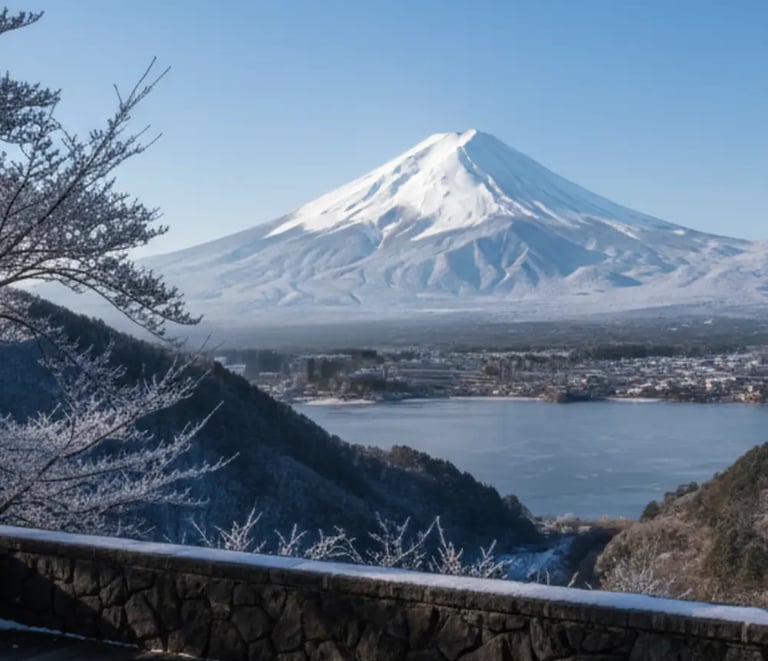
Winter (Dec–Feb)
Why winter is the visibility season
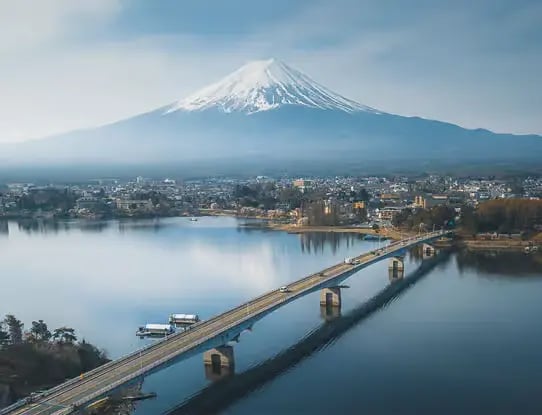
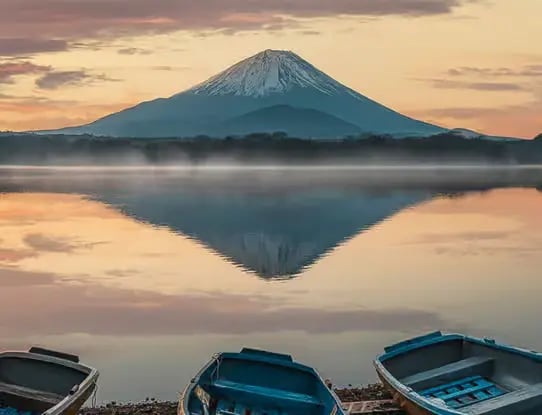
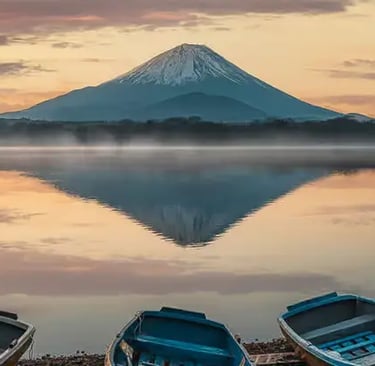
Winter around Mt. Fuji is typically driven by dry, stable air masses (especially in January), which means fewer humid haze layers and fewer afternoon cloud build-ups. In practical terms, you get more of those crisp “postcard Fuji” days: blue sky, sharp ridgelines, and that classic snow cap.
Data-driven takeaway: Visibility is meaningfully better in mid-winter it can be ~60% higher in January compared with more humid months (especially early summer). While no month is a guarantee, winter statistically offers the strongest odds of a clear view.
What winter looks like on the ground
Mornings are your friend: Clear views are often best earlier in the day; clouds can build later.
Cold but photogenic: Expect chilly temperatures around the lakes dress in layers, gloves optional but often appreciated.
Snow-capped Fuji is most reliable: The mountain’s white peak is usually at its most striking.
Best winter route fit: “Mt. Fuji + Shiraito Falls”
Winter is ideal for the classic scenic circuit because when Fuji is out, it’s spectacular.
A strong winter itinerary often includes:
Lake Kawaguchiko viewpoints (for wide, unobstructed Fuji shots)
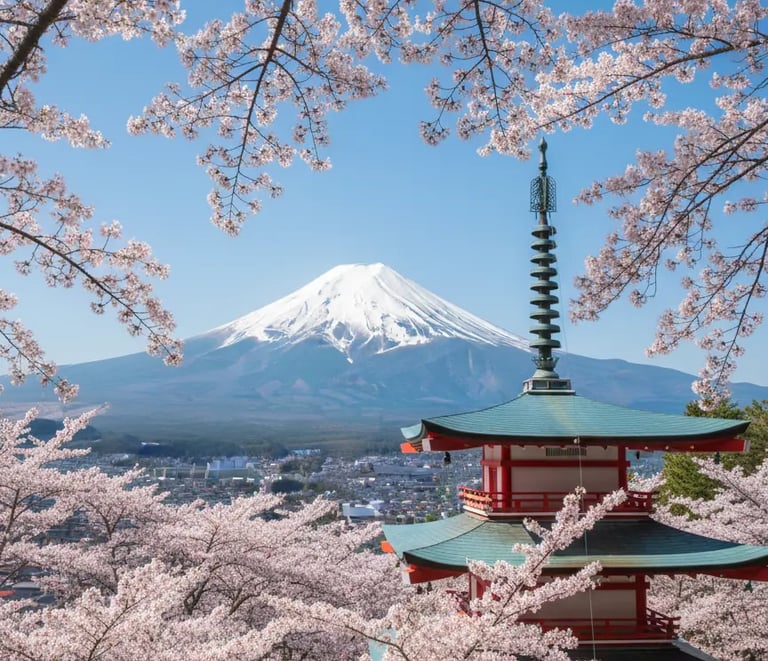
Chureito Pagoda area (iconic framing when skies cooperate)
Shiraito Falls (year-round beauty; winter adds a crisp, clean feel)
Bonus: Roads are generally fine, but your driver will still watch for icy patches on early mornings in colder spells.
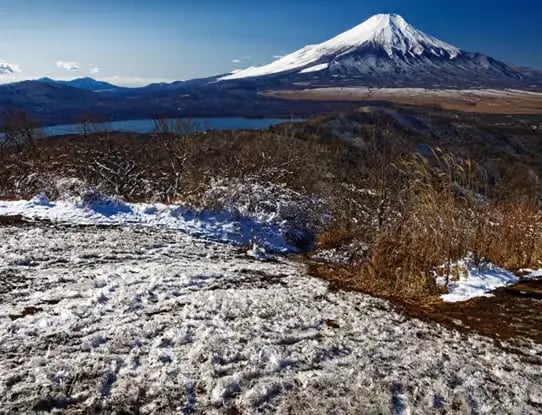
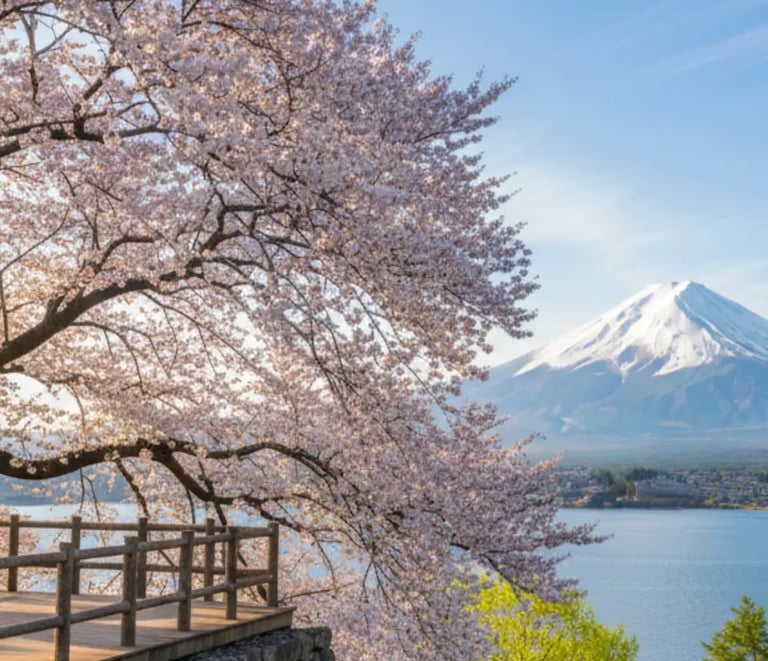
Spring (Mar–May)
Why spring can be “worth it” even with mixed visibility
Spring is transition season: temperatures rise, humidity gradually increases, and cloud patterns become less predictable. That can mean more haze compared with deep winter especially later in April into May.
But spring offers something winter can’t: layers of seasonal scenery that carry the day even if the summit doesn’t fully show. This is the season where your photos can still feel unmistakably “Japan,” even with a soft, misty Fuji in the background.
What spring looks like on the ground
Cherry blossoms (late Mar–early Apr, varies yearly): The big draw book early.
Fresh greenery (late Apr–May): Shiraito Falls and forested areas look especially vivid.
More comfortable temperatures: Less intense cold than winter, easier for walking and outdoor stops.
Best spring route fit: “Oishi Park + Blossom Views + Shiraito Falls”
Even if Fuji is partially hidden, spring scenery holds up beautifully.
Spring-friendly highlights:
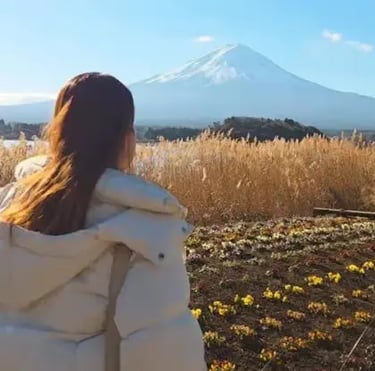
Oishi Park (Lake Kawaguchiko): Seasonal flowers create foreground color even when Fuji is hazy.
Cherry blossom corridors around the lakes (timing-dependent)
Shiraito Falls: Strong flow and lush surroundings as the season progresses
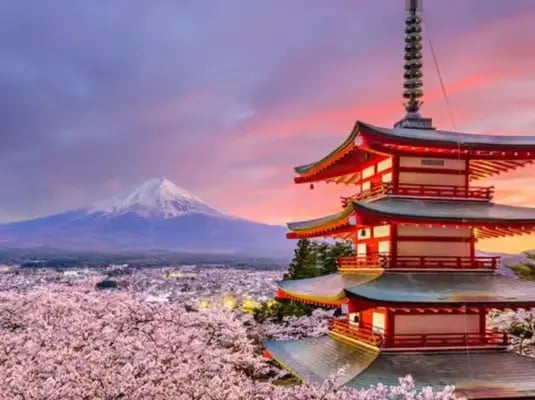
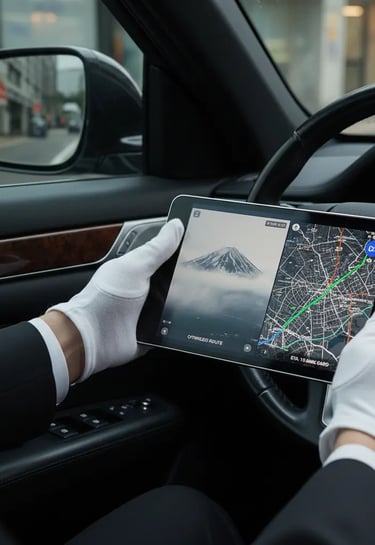
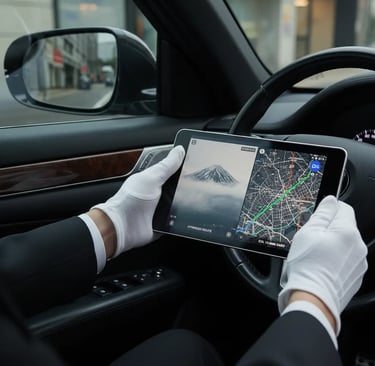
The Private Tour Insurance (This Is the Difference-Maker)
Here’s the hard truth: fixed bus tours don’t care about visibility. They run the same loop at the same times, whether Fuji is crystal clear or completely gone. If the mountain disappears at the main viewpoint, you’re stuck because the schedule is the schedule.
A private guide/driver can actively manage risk in ways group tours simply can’t:
1) Live webcam checks + smart timing
A good private guide is watching:
Real-time Fuji webcams
Cloud movement and wind direction
Best-time windows (often morning)
If the north side is socked in but the south is clearing, you pivot fast.
2) “Chase the breaks” routing
Fuji visibility can be dramatically different just 20–40 minutes apart by car. A private tour can shift between:
Lake Kawaguchiko side
Lake Yamanakako side
Hakone / Gotemba viewpoints
based on where the clouds are thinning.
3) A strong Plan B when visibility is zero
If conditions are truly closed in, a private itinerary can refocus on experiences that don’t depend on the summit:
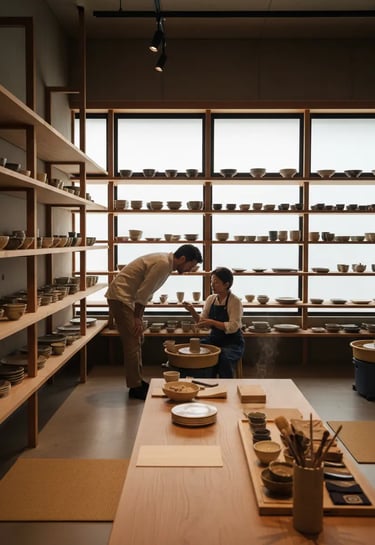
Cultural stops, local food, artisan shops
Scenic lakeside walks and seasonal flower parks
Waterfall and forest areas that look great in any weather
In other words: you’re not paying for a single viewpoint you’re paying for adaptability.
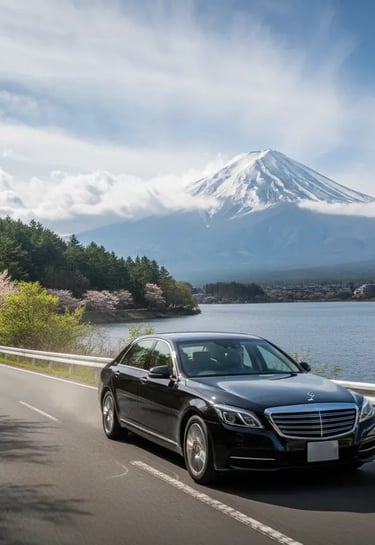
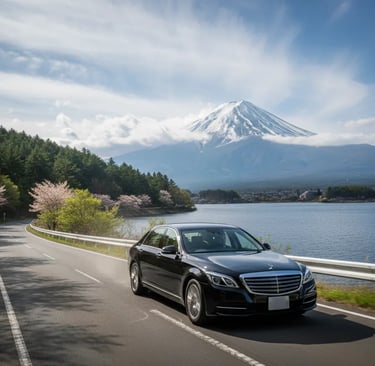
So…When Is the Best Time?
Choose Winter (Dec–Feb) if:
Your priority is maximum Fuji clarity
You want the classic snow-capped peak
You’re happy dressing warmly for sharper visibility
Choose Spring (Mar–May) if:
You want cherry blossoms and seasonal color as the main event
You prefer milder temperatures
You’re okay with a higher chance of haze because the scenery still delivers
Choose a Private Tour in either season if:
You don’t want your day decided by luck
You want a guide who can pivot in real time based on webcams and conditions
Booking Advice
If you’re targeting cherry blossom timing, book 2–3 months in advance. Spring is when private drivers and top guides sell out first, and last-minute availability can be limited (or significantly more expensive).
If you tell me your travel dates and whether you’re prioritizing clarity (best odds of seeing Fuji) or seasonal scenery (sakura/flowers), I can recommend the best week window and a route that’s optimized for your odds.
FAQ
1) Is Mt. Fuji easier to see in winter or spring?
Winter (Dec–Feb) usually offers the best visibility thanks to drier air and clearer skies. Spring (Mar–May) is more variable and can be hazier.
2) What month has the highest chance of seeing Mt. Fuji clearly?
January is often one of the strongest months for clear views, with visibility frequently reported as significantly higher than in more humid seasons.
3) If Mt. Fuji is cloudy, is the tour still worth it?
Yes especially in spring, when cherry blossoms (around late March–early April, depending on the year) and flower parks still make the day scenic and memorable.
4) Why is a private Mt. Fuji tour better than a bus tour for visibility?
Bus tours follow a fixed route. A private guide can check live webcams and weather and adjust the itinerary to chase clearer viewpoints or shift to cultural stops.
5) How far in advance should I book a private Mt. Fuji tour?
For peak spring demand especially cherry blossom season book 2–3 months ahead because private drivers and top guides often sell out.
6) What’s the best time of day to see Mt. Fuji?
Morning typically offers the best chance, since clouds and haze often increase later in the day.
7) Which itinerary fits winter best?
Winter is ideal for the Mt. Fuji + Shiraito Falls route, when crisp air and a snow-capped peak make the classic viewpoints shine.
8) Which itinerary fits spring best?
Spring pairs well with Oishi Park and lakeside flower stops, plus Shiraito Falls, so you still have strong scenery even if Fuji is slightly hazy.
If you want, paste your target keyword(s) and I’ll tailor the slug and FAQ questions to match SEO intent.
Connect
Join us for travel tips and destination insights.
© 2026. All rights reserved.
Affiliate disclaimer
This website contains affiliate links. If you purchase through these links, we may earn a commission at no extra cost to you.