
Winter in Shirakawa-go: Visiting Japan's Fairy Tale Village from Osaka 2026
Discover Shirakawa-go's magical winter light-up events from Osaka. Complete guide to visiting Japan's UNESCO snow village, transport tips & 2026 dates.
DAY TRIPS
DestinationDiscover
1/27/20267 min read
Affiliate Disclosure
This article contains affiliate links. If you purchase through these links, I may earn a small commission at no extra cost to you. I only recommend products I genuinely believe offer strong performance, quality, and value for your ski and travel experience.
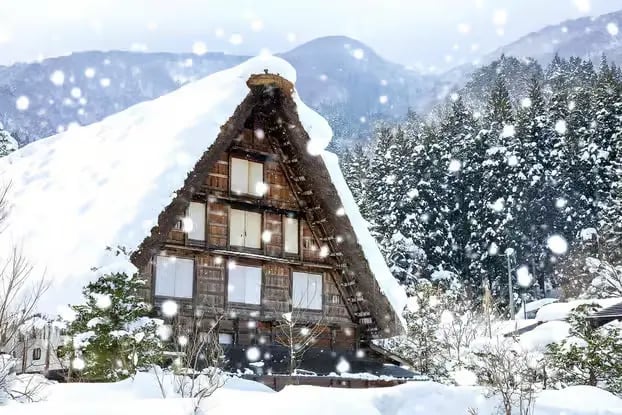
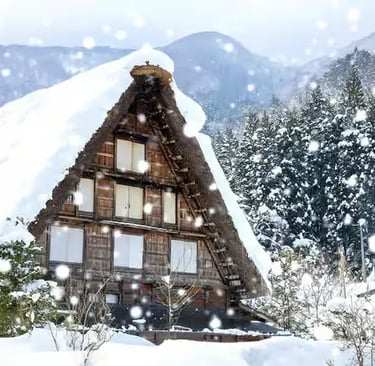
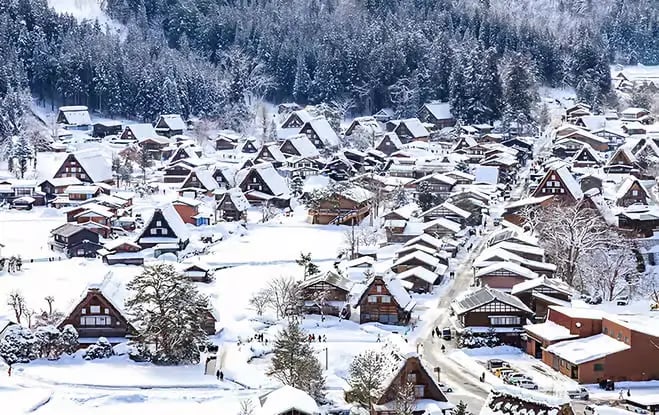
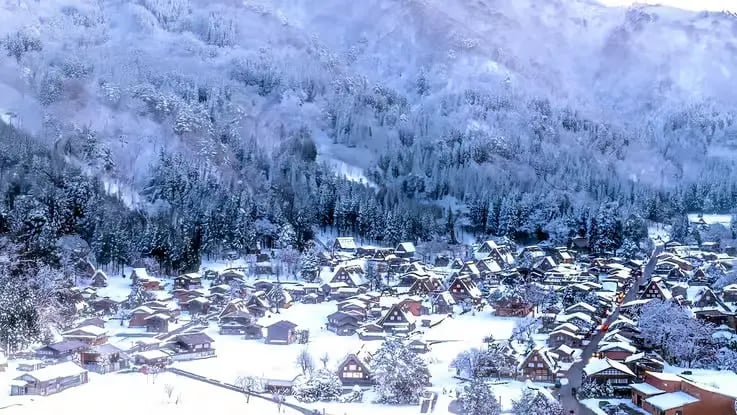
Picture this: thatched-roof farmhouses dusted with pristine snow, warm golden light spilling from wooden windows into the winter darkness, and an entire village that looks like it's been plucked straight from a storybook. This isn't a dream it's Shirakawa-go in winter, and it's calling your name.
Nestled deep in the Japanese Alps, this UNESCO World Heritage village transforms into pure magic when snow blankets its iconic gassho-zukuri farmhouses. If you're planning your Japan winter travel itinerary and wondering how to experience this bucket-list destination from Osaka, you're in exactly the right place.
Why Shirakawa-go Should Top Your Winter Bucket List
Shirakawa-go isn't just another pretty village—it's a living museum where time moves slower and traditions run deep. The gassho-zukuri architecture, with its steep thatched roofs designed to handle heavy snowfall, has protected families for over 250 years. These farmhouses earned their UNESCO status in 1995, and in winter, they become something truly extraordinary.
When snow piles two or three feet high on those distinctive roofs and smoke curls from traditional irori hearths inside, you'll understand why photographers and dreamers flock here from around the world. The village maintains its authenticity—real families still live in many of these farmhouses, creating a genuine glimpse into traditional Japanese mountain life.
The Legendary Shirakawa-go Winter Light-Up Events
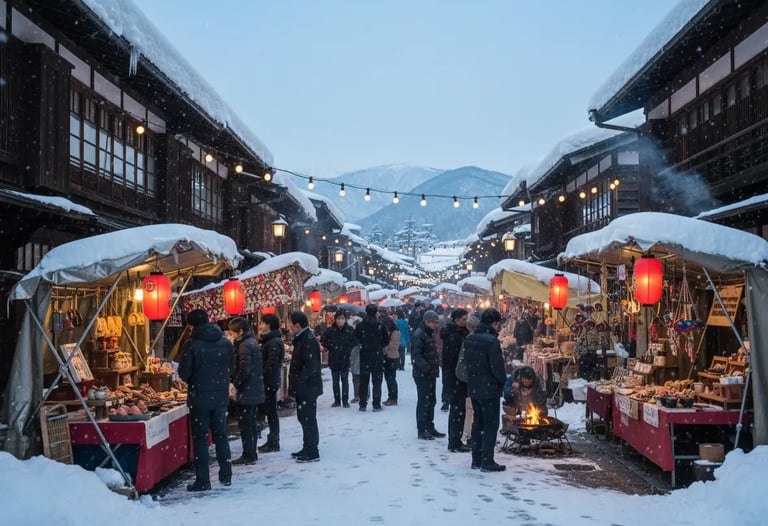
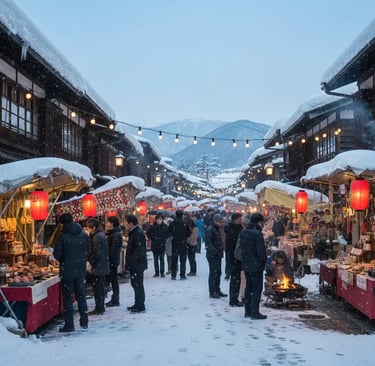
Here's where the magic reaches another level. Several times each winter, the entire village participates in illumination events that transform Shirakawa-go into something from a fairy tale. For 2026, mark your calendar for these exclusive Shirakawa-go winter light-up dates:
January 13, 19, and 26
February 2 and 9
During these precious evenings, powerful lights illuminate the snow-covered farmhouses from below, creating dramatic shadows and an ethereal glow against the dark mountain backdrop. The contrast between warm interior lights and cool exterior illumination creates photography opportunities you'll treasure forever.
Do I need a tour for Shirakawa-go light up? Honestly, yes and here's why. Light-up events require advance reservations that sell out within hours of opening. Individual bookings are challenging even for Japanese speakers, and transportation becomes complicated when you're navigating mountain roads in winter conditions. Tours handle all these logistics while guaranteeing your access to this once-in-a-lifetime experience.
How to Get to Shirakawa-go From Osaka
Let's talk logistics. While independent travel is possible, getting to Shirakawa-go from Osaka involves multiple trains, potential bus transfers, and navigating winter schedules that can change due to weather. The journey typically requires 4-5 hours one way, and that's assuming perfect conditions.
Is Shirakawa-go accessible in winter? The village remains open year-round, but winter access presents unique challenges. Heavy snowfall can disrupt train and bus schedules, roads require winter tires or chains, and you'll need to navigate Japanese transit systems during the coldest months. Multi-day tours eliminate these stress points entirely.
Here's the beautiful part about booking a proper tour: you get door-to-door convenience, guaranteed light-up access, and the freedom to simply soak in the experience rather than worrying about missed connections or weather delays.
What to Expect: Weather and Winter Conditions
What is the coldest month in the Japanese Alps? January and February bring the deepest cold, with temperatures regularly dropping to -5°C−10°C (23°F to 14°F). Snow accumulation peaks during these months, creating those picture-perfect scenes you've been pinning.
Pack serious winter gear thermal layers, waterproof boots rated for snow, insulated gloves, and a quality winter coat are non-negotiable. The village sits at elevation, and mountain cold penetrates differently than city weather. You'll want hand warmers for those light-up photography sessions, and don't forget a thermos for hot tea.
The payoff for braving these conditions? Snow depth that transforms the landscape into a winter wonderland, fewer crowds than spring or fall, and that crisp mountain air that makes everything feel more alive.
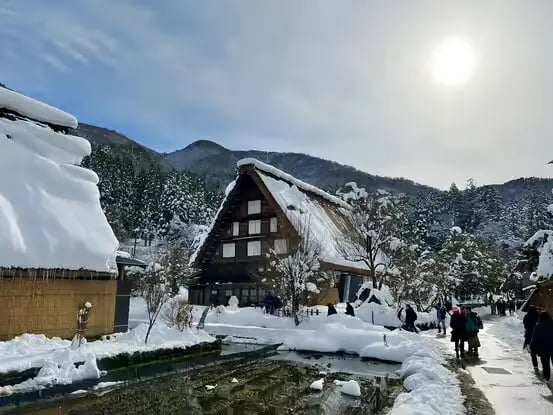
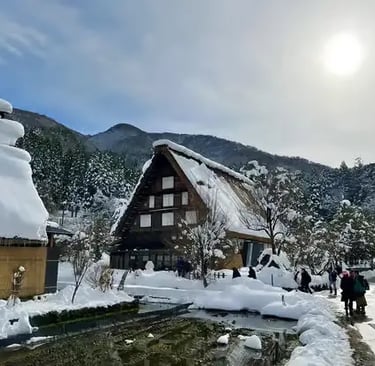
Planning Your Traditional Japanese Villages in Snow Experience
Beyond Shirakawa-go, the region offers additional treasures for your Japan winter travel itinerary. Many tours combine Shirakawa-go with Takayama, another beautifully preserved historic town, or Gokayama, a neighboring village with similar architecture and even fewer tourists.
Consider a 2-3 day tour that lets you experience the light-up event without rushing. You'll have time to explore during daylight when you can appreciate the architectural details, visit local museums, and perhaps stay in a traditional farmhouse guesthouse. Then, as evening falls and the illumination begins, you'll already be perfectly positioned.
Multi-day tours also solve the accommodation puzzle. Light-up dates create massive demand for limited lodging options in the area. Tour packages secure your rooms months in advance, often in locations perfectly situated for both daytime exploration and evening photography.
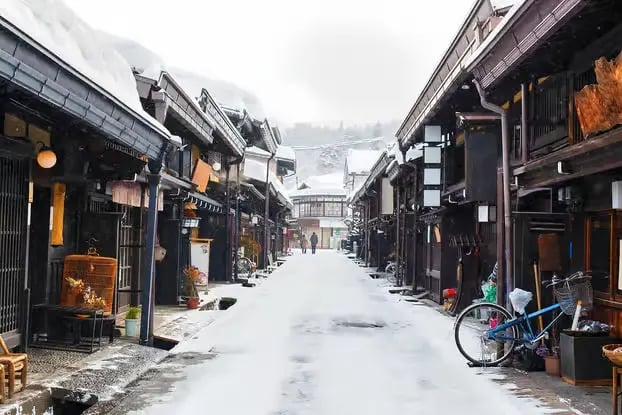
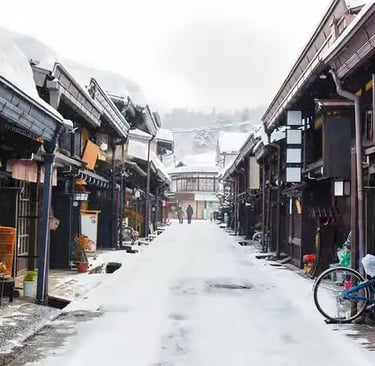
Why Winter Makes Shirakawa-go Unforgettable
Yes, Shirakawa-go welcomes visitors year-round, but winter holds special magic. The snow conceals modern elements, emphasizing those timeless rooflines and traditional structures. Fewer tourists mean more intimate experiences and better photography angles. The light-up events only happen in winter, creating urgency and exclusivity.
Most importantly, winter reveals the village's true purpose. Those steeply pitched roofs weren't designed for aesthetics they evolved to handle massive snow loads in one of Japan's snowiest regions. Seeing them perform their intended function, weighted with winter's gift, connects you to centuries of mountain wisdom.
Securing Your Fairy Tale Winter Experience
The reality about Shirakawa-go's winter light-up events bears repeating: they sell out fast. Individual reservations open months ahead and disappear almost immediately. Tour operators secure bulk access, meaning booking a quality multi-day tour often provides your only realistic path to experiencing this magical evening.
Look for tours that include round-trip transportation from Osaka, guaranteed light-up access, accommodations in the region, and guided experiences that add cultural context to what you're seeing. The best packages balance structured activities with free time for wandering and photography.
Your investment covers more than logistics it buys peace of mind, expert knowledge, and the freedom to fully immerse yourself in the experience without constant navigation stress.
Making Your Winter Dreams Reality
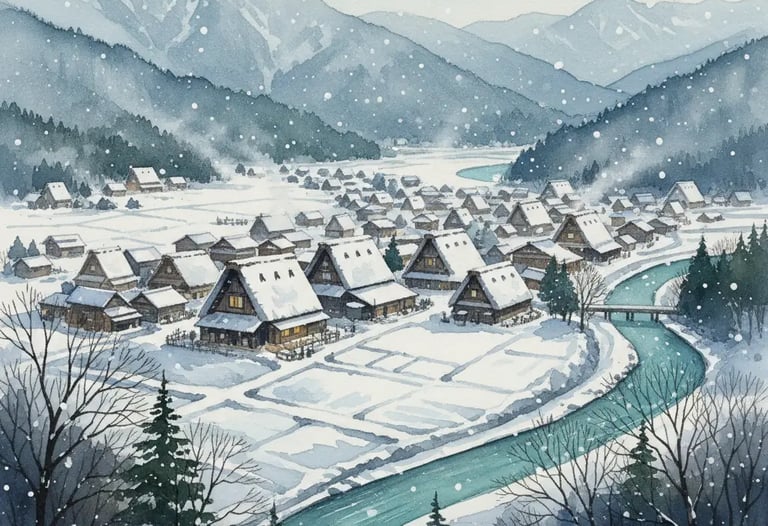
Shirakawa-go in winter isn't just a destination it's a portal to a Japan most travelers never see. While others crowd Kyoto's temples or Tokyo's streets, you'll stand in silent snow watching centuries-old farmhouses glow against mountain darkness.
This is the bucket-list moment you pin, plan for, and treasure forever. The village that time forgot, dressed in winter's finest, waiting to write itself into your travel story.
Start planning your winter fairy tale now, because some magic only happens in the coldest, quietest months when snow transforms the ordinary into the extraordinary.
Frequently Asked Questions
Q: What are the Shirakawa-go winter light-up dates for 2026?
A: The official illumination events for 2026 are scheduled for January 13, 19, 26 and February 2, 9. These exclusive evening events require advance reservations and sell out quickly. Booking a tour package guarantees your access to these magical winter nights.
Q: How do I get to Shirakawa-go from Osaka?
A: Independent travel requires 4-5 hours via multiple trains and buses, with winter weather adding unpredictability. Most visitors book multi-day tours that include round-trip transportation, eliminating navigation stress and ensuring reliable access to this remote mountain village.
Q: Do I need a tour for the Shirakawa-go light-up?
A: While not mandatory, tours are highly recommended. Light-up reservations sell out within hours and require navigating Japanese booking systems. Tours secure guaranteed access, handle all logistics, and provide winter transportation through mountain roads invaluable during snowy conditions.
Q: Is Shirakawa-go accessible in winter?
A: Yes, but winter access presents challenges. Heavy snowfall can disrupt public transportation, roads require winter equipment, and temperatures drop to −5°C−5°C to −10°C−10°C. Tours eliminate these concerns with experienced drivers, guaranteed transport, and pre-arranged accommodations.
Q: What is the coldest month in the Japanese Alps?
A: January and February are the coldest months, with temperatures ranging from −5°C−5°C to −10°C−10°C (23°F to 14°F). These months also bring peak snowfall, creating the most dramatic winter scenery but requiring serious cold-weather gear.
Q: What should I wear to Shirakawa-go in winter?
A: Pack thermal layers, waterproof snow boots, insulated gloves, a quality winter coat, and warm accessories. Bring hand warmers for outdoor photography during light-up events. Mountain cold at elevation feels more intense than city weather—dress warmer than you think necessary.
Q: Can I stay overnight in a gassho-zukuri farmhouse?
A: Yes, several traditional farmhouses operate as guesthouses offering authentic experiences with tatami rooms and home-cooked meals. However, availability is extremely limited during light-up dates. Multi-day tour packages often include farmhouse accommodations or nearby lodging with guaranteed reservations.
Q: How many days should I spend in Shirakawa-go?
A: A 2-3 day trip is ideal. This allows daytime exploration to appreciate architectural details and museums, plus evening attendance at the light-up event without rushing. Many tours combine Shirakawa-go with nearby Takayama or Gokayama for a richer cultural experience.
Connect
Join us for travel tips and destination insights.
© 2026. All rights reserved.
Affiliate disclaimer
This website contains affiliate links. If you purchase through these links, we may earn a commission at no extra cost to you.