
Winter in Istanbul: The City of Two Continents Wrapped in Magic
Discover the magic of winter in Istanbul — from snow-dusted mosques and Bosphorus views to cozy cafés, local food, and cultural treasures. A poetic Istanbul winter travel guide.
CITY BREAKS
11/7/20256 min read
Winter in Istanbul: The City of Two Continents Wrapped in Magic
Introduction: When Snow Meets the Bosphorus
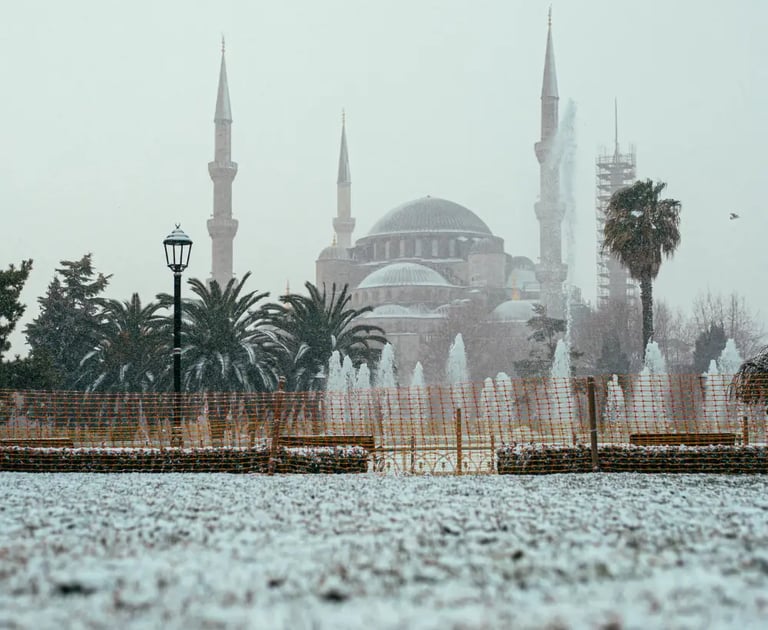
Winter falls softly over Istanbul, and with it comes a feeling unlike any other season. The city of two continents — poised between Europe and Asia — seems to slow its heartbeat, wrapping itself in a quiet enchantment. The Bosphorus glimmers like liquid silver under misty skies, minarets pierce through low clouds, and snow, when it comes, drapes the rooftops of Sultanahmet in a silent hush.
Istanbul in winter is cinematic—a living tapestry of contrasts. Steam rises from street vendors selling roasted chestnuts and simit (sesame-crusted bread rings), the scent of Turkish coffee swirls through narrow alleys, and the call to prayer echoes more hauntingly in the crisp air. Fewer crowds, lower prices, and deeply local rhythms make this season ideal for travelers who crave authenticity over headlines.
If you’ve ever dreamed of discovering romantic Istanbul under snowfall, or tracing the city’s soul from a fog-shrouded ferry on the Bosphorus, winter offers you the most intimate encounter.
Why Visit Istanbul in Winter
Fewer Crowds, Fuller Experiences
During summer, Istanbul hums with travelers from every corner of the globe. But by winter, a gentler rhythm takes over. Streets that usually teem with visitors soften into something more personal. You can wander through Hagia Sophia without jostling, linger longer among the mosaics of Chora Church, and feel the history of the Ottoman Empire whisper around you in peace.
Lower Prices, Richer Comfort
Hotel rates and airfare drop significantly from December to March, making it one of the most affordable winter destinations in Europe. Restaurants are easier to book, and attractions from the Grand Bazaar to the Topkapi Palace welcome you with open arms.
The Authentic Side of Istanbul
Most importantly, winter allows you to see Istanbul as locals do — relaxed, family-centered, and grounded in everyday rituals: sipping çay (black tea) by the window, reading the paper in a corner café, or sharing laughter over steaming kebabs on a chilly evening.
Top Winter Attractions in Istanbul
Hagia Sophia and Blue Mosque: Snow and Silence
There is something almost sacred about stepping into Hagia Sophia on a cold winter morning. Outside, snow melts on the marble courtyard; inside, candlelight flickers across golden mosaics older than time. Across Sultanahmet Square, the Blue Mosque stands serene under its blanket of white — its six minarets creating a breathtaking skyline against winter skies.
Walk between these monuments at dusk, and you’ll feel the hum of centuries echo between them.
The Grand Bazaar and Spice Market
Few places in the world feel cozier on a cold day than the Grand Bazaar — a labyrinth of over 4,000 shops where carpets glow like jewels and the scent of leather, spice, and incense fills the air. Here, winter in Istanbul feels eternal; merchants pour steaming tea into tulip glasses as you bargain for ceramics or silk scarves.
Nearby, the Spice Market bursts with color — saffron, sumac, and pepper glowing under golden light. It’s not just shopping; it’s warmth in sensory form.
Galata Tower and the Rooftops
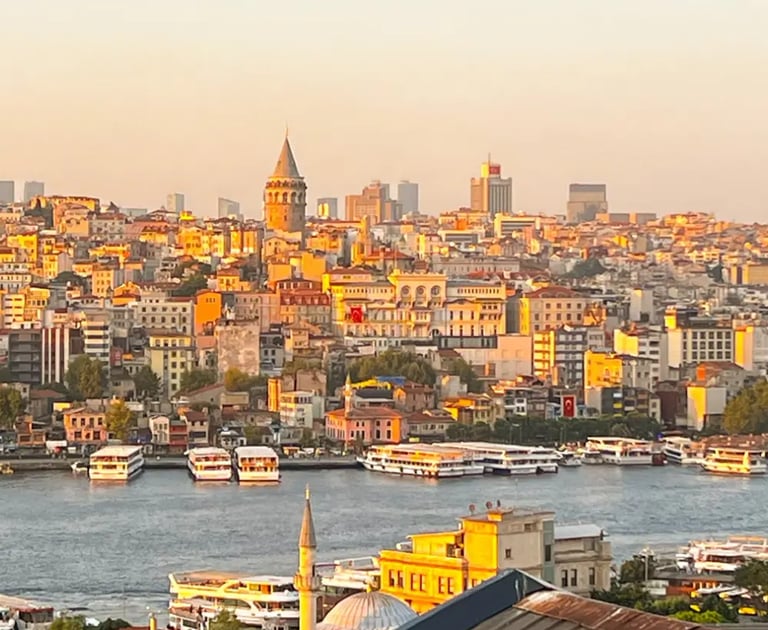
Climb the medieval Galata Tower on a clear winter day, and you’ll be rewarded with panoramic views — tiled rooftops, domes, the glittering curve of the Bosphorus. At sunset, look east toward the minarets of Asia glowing under pink and orange skies.
For lovers of Istanbul photography, this tower and nearby rooftop cafés are dream spots; think snow-capped domes, ferry trails across the mist, and the poetic meeting of continents.
Bosphorus Winter Cruise
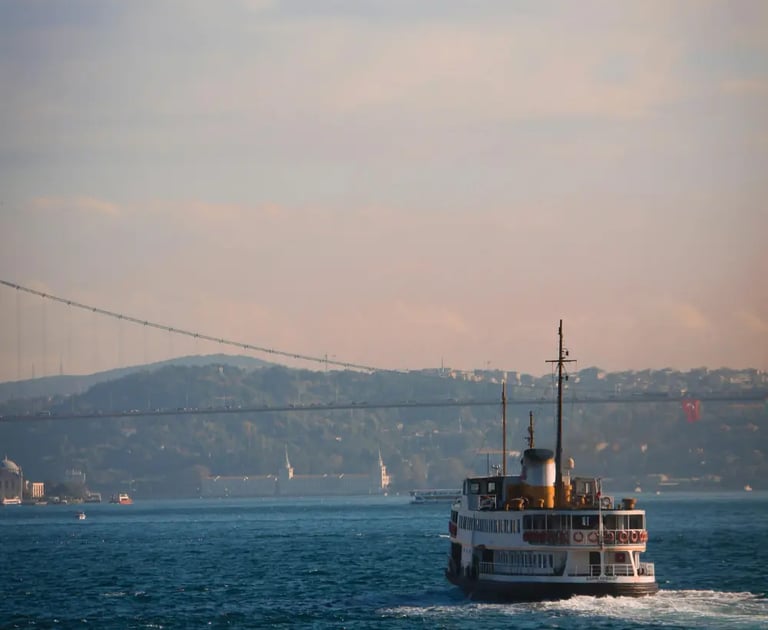
Even in winter, the Bosphorus retains its hypnotic beauty. Ferries glide through the mist, seagulls follow the trail, and Ottoman mansions (called yalıs) line the shore like sleeping guardians. Choose a Bosphorus cruise at sunset and watch as city lights shimmer on the water, blurring reflections with snowflakes.
Winter Festivals and Cultural Events
While summer bursts with outdoor concerts, Istanbul winter travel brings its own rhythm of culture and celebration.
Istanbul International Film Festival (December–January)
Film lovers gather for screenings of Turkish and international cinema, often hosted in historic theatres around Beyoglu and Kadiköy.
Christmas and New Year’s Festivities
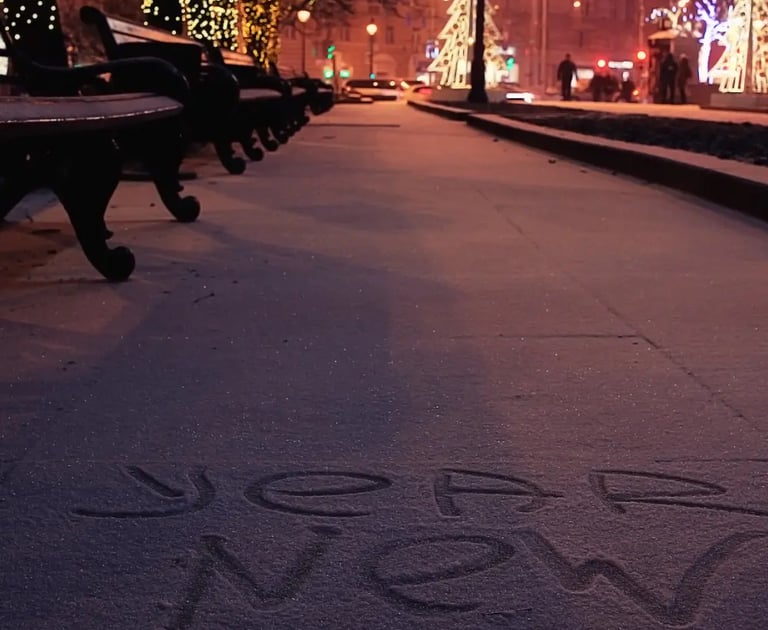
Though Turkey is largely Muslim, the city celebrates New Year’s Eve with fireworks and street festivities. Stores in Istiklal Street twinkle with lights, and restaurants serve festive dinners overlooking the Bosphorus.
Winter Shopping and Cultural Fairs
In December and February, various hotels and cultural centers host artisan markets, selling traditional crafts, handmade jewelry, and collectible art — perfect for winter souvenirs.
Even outside specific festivals, Istanbul thrives on performances — Turkish classical music, Sufi whirling dervish ceremonies, and cozy jazz nights in Galata bars.
Turkish Cuisine in Winter
Warmth Served in a Bowl
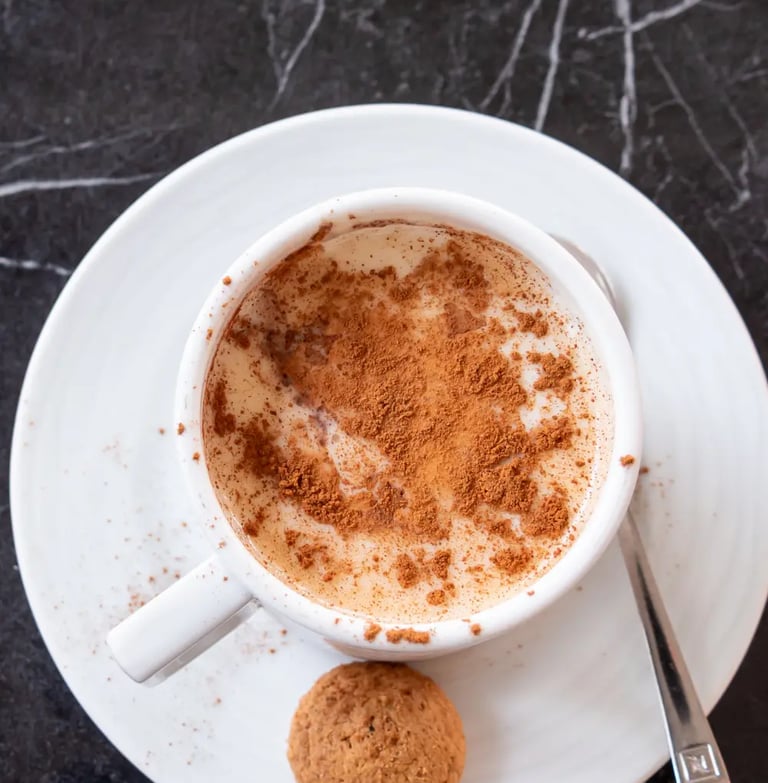
Winter is the heart of comfort food season in Istanbul. Locals start their days with sahlep, a thick, milky drink made from orchid root, dusted with cinnamon and memory. You can sip it while walking along the Bosphorus, your fingers warmed by the cup, your breath joining the city’s silver mist.
Lunch might mean mercimek çorbası (lentil soup), followed by sizzling iskender kebab — tender lamb layered over bread with yogurt and tomato sauce. Street vendors tempt you with kestane (roasted chestnuts) and midye dolma (stuffed mussels).
For dessert, nothing comforts like baklava or tavuk göğsü, a creamy, pudding-like treat made from milk and shredded chicken — a surprising yet delicious Ottoman recipe.
The Ritual of Tea and Coffee
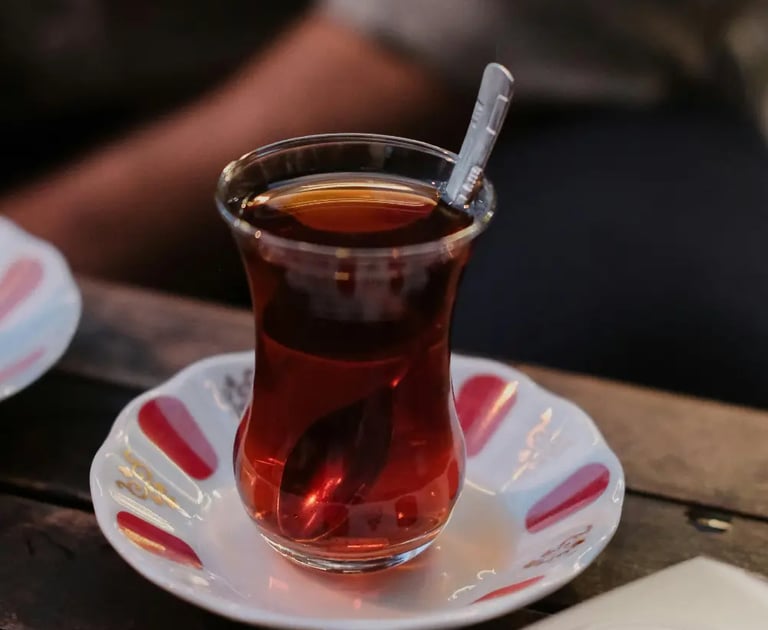
Tea (çay) is Istanbul’s heartbeat. Locals sip it everywhere—on ferries, in antique shops, beside windows fogged from winter rain. It’s deep red, aromatic, and poured without ceremony but with love.
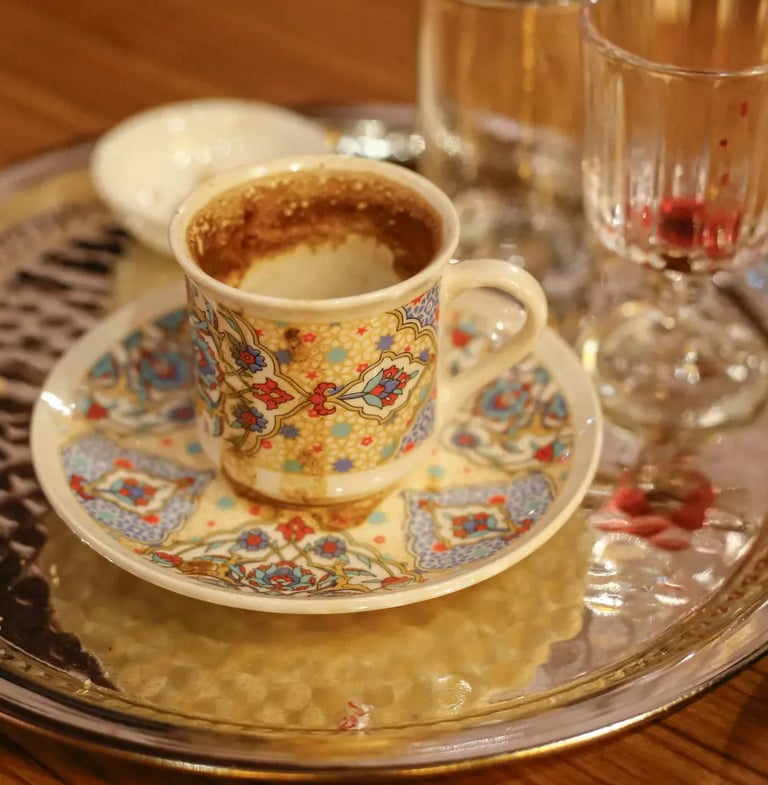
Turkish coffee, meanwhile, is a story in each tiny cup — thick as silk, slow-brewed, and sometimes read like fortune-telling.
Shopping and Souvenirs
No Istanbul winter guide would be complete without mention of its treasure troves.
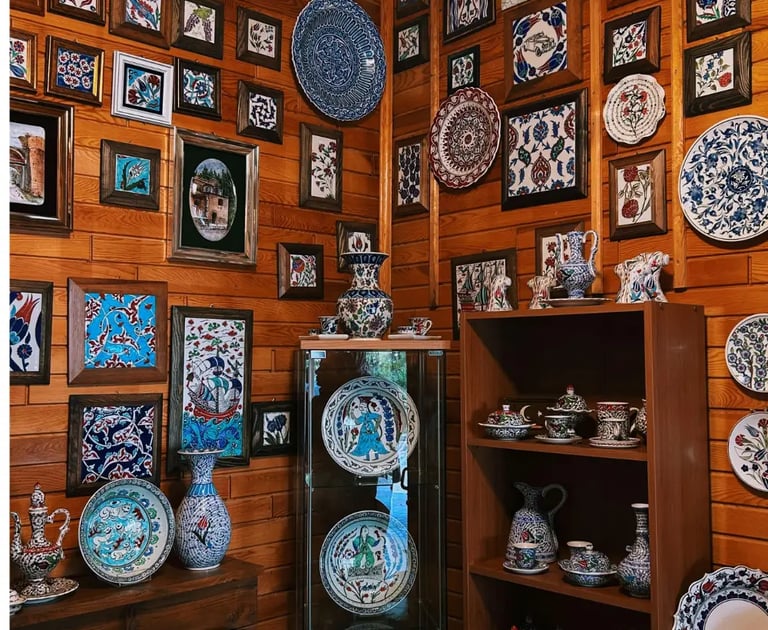
At the Grand Bazaar, watch artisans craft jewelry and handwoven kilims right before your eyes. Seek out ceramic bowls, calligraphy art, and copper coffee sets.
In Arasta Bazaar, near the Blue Mosque, you’ll find curated boutiques offering high-quality textiles and contemporary Turkish design.
No visit is complete without Turkish delight — available in endless varieties from Beyoglu’s famous sweet shops. Sample pomegranate, pistachio, or rose, and carry home a little piece of Istanbul’s sweetness.
Pro Tips for Winter Travelers
Weather & Clothing
Winter in Istanbul (December–March) brings temperatures between 3°C and 12°C (37–54°F). Snow is rare but magical when it falls. Bring waterproof layers, a warm coat, boots, gloves, and an umbrella for occasional rain.
Photography Tips
For dreamy Istanbul photography, aim for early morning or pre-sunset—the “blue hour” enhances the city’s mood. Capture reflections in wet cobblestones, and focus on light mist rising over mosques.
Best Time of Day for Sightseeing
Morning visits grant solitude in major attractions, while evenings bring the city alive with golden light and music echoing across the Bosphorus.
Cultural Courtesy
Even in winter chill, locals cherish warmth in hospitality. A simple greeting, a shared tea, and genuine curiosity will open more doors than you expect.
Conclusion: A City Wrapped in Timeless Winter Magic
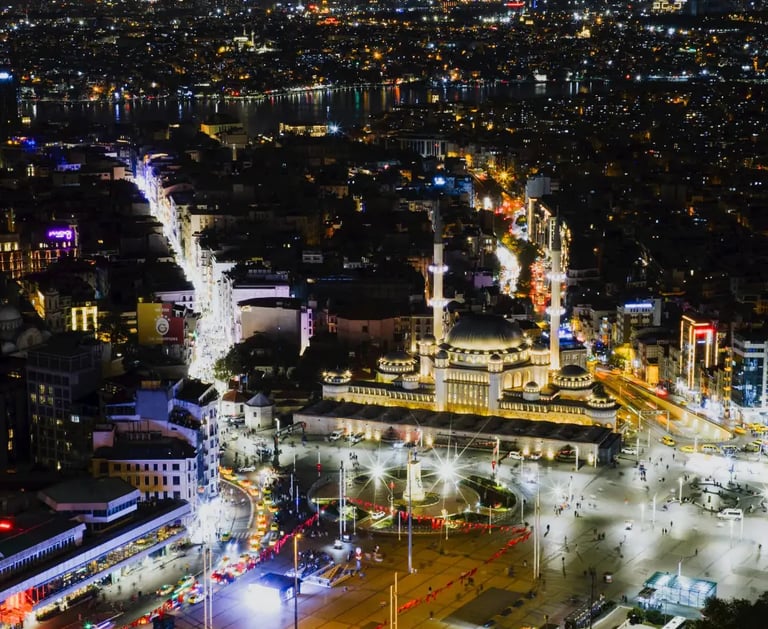
When the last ferry crosses the Bosphorus and the city lights shimmer in the fog, Istanbul in winter feels like a dream half-remembered — a city suspended between continents, histories, and breaths. It’s quieter, more tender, but no less intoxicating.
Whether you’re tracing the mosaics of empires or warming your hands over a cup of sahlep, winter invites you to see Istanbul differently: not as a destination, but as a mood — poetic, nostalgic, endlessly alive.
For anyone seeking winter travel ideas filled with soul and story, this is it. Let your footsteps echo through cobblestones glazed with rain. Let the call of seagulls follow you home. And when you think of winter again, remember that somewhere between Europe and Asia, Istanbul still waits — wrapped in magic.
FAQ: Istanbul in Winter
1. What is the weather like in Istanbul during winter?
Expect temperatures between 3°C and 12°C (37–54°F). Snow is possible but usually short-lived; days are crisp and cool.
2. When is the best time to visit Istanbul in winter?
Late December through February offers the most atmospheric experience — fewer tourists, cozy ambiance, and occasional snowfall.
3. Is Istanbul safe for winter travelers?
Yes. Istanbul is generally safe year-round. In winter, just watch for slippery sidewalks during rain or snow, and use official taxis or ride apps.
4. Are most attractions open in winter?
Nearly all major attractions, shops, and restaurants remain open. Hours may shorten slightly in January, but sightseeing is fully possible.
5. Is Istanbul expensive in winter?
No. Winter is off-season, with lower prices for hotels, tours, and flights — ideal for budget-savvy travelers seeking a rich cultural escape.
Connect
Join us for travel tips and destination insights.
© 2026. All rights reserved.
Affiliate disclaimer
This website contains affiliate links. If you purchase through these links, we may earn a commission at no extra cost to you.