
Vintage & Thrift Shopping in Shimokitazawa: Tokyo’s Retro Heartbeat
A curated deep dive into Shimokitazawa’s vintage and thrift-shopping culture for 2025. This SEO-optimized guide outlines the district’s top racks, styling insights, sustainability trends, and Pinterest-ready visual cues—positioned to attract high-intent readers seeking unique fashion experiences in Tokyo.
CITY BREAKS
destinationDiscover
12/10/20256 min read
Vintage & Thrift Shopping in Shimokitazawa: Tokyo’s Retro Heartbeat
There are neighborhoods that feel discovered — and then there are neighborhoods that feel lived. Shimokitazawa, affectionately called “Shimokita,” is the latter: a textured, alternative, endlessly evolving pocket of Tokyo where vintage fashion, indie culture, and second-hand treasures create a world that feels both nostalgic and refreshingly modern. If you’re planning a Tokyo thrift shopping journey in 2025, this is the district where you start.
For over two decades of travel writing, I’ve learned that the most compelling destinations aren’t the most polished — they’re the ones with personality. Shimokitazawa embodies that truth. With its maze-like streets, curated thrift shops, coffee-scented alleyways, and bohemian energy, it delivers a shopping experience that is as much about discovery as it is about style.
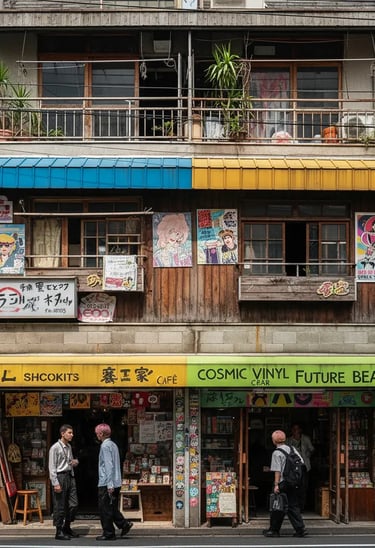
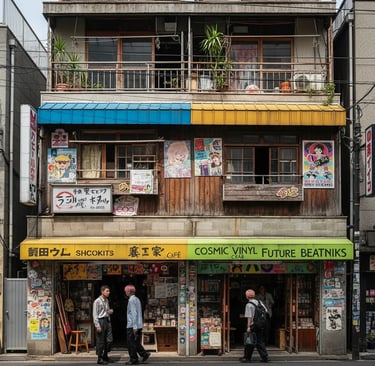
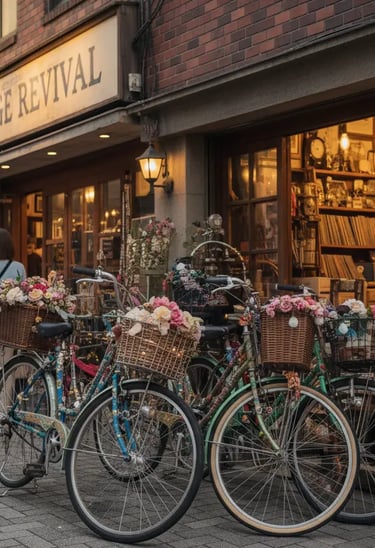
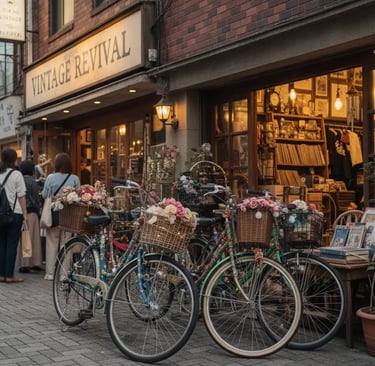
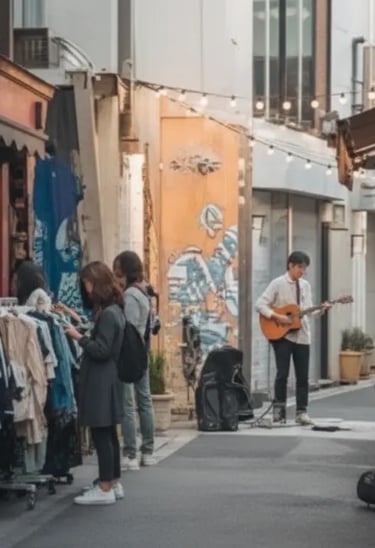
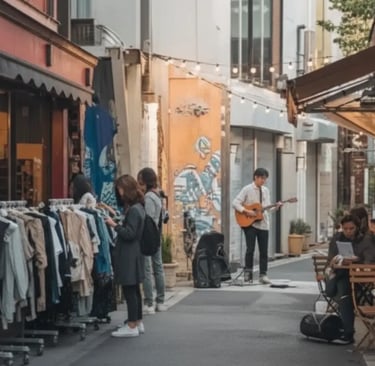
Why Shimokitazawa Became Tokyo’s Vintage Capital
Once a quiet residential area, Shimokitazawa transformed into a creative hub thanks to its tight-knit community of musicians, artists, and independent shop owners. As Tokyo’s mainstream districts grew sleeker and more globalized, Shimokita moved in the opposite direction — leaning into retro fashion, sustainable shopping, and independent design.
Today, the neighborhood is firmly established as Tokyo’s coolest alternative neighborhood, recognized worldwide for its concentration of vintage clothing stores, second-hand boutiques, and shops specializing in retro Japanese streetwear.
Its appeal is universal: thrift hunters, fashion students, minimalists, sustainability-focused travelers, and simply those who love getting lost in places that feel organically alive.
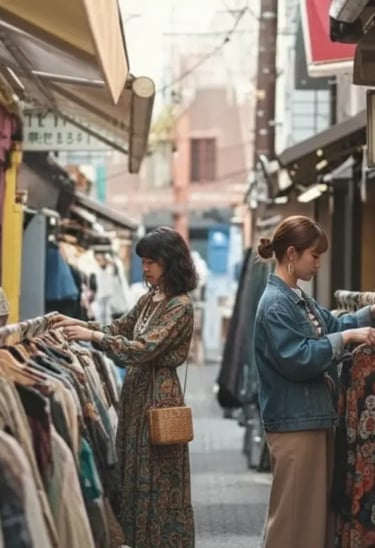
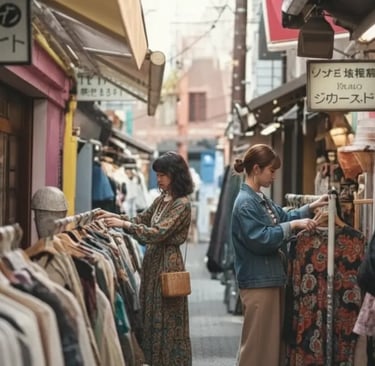
The Vintage Experience: Curated, Eclectic, and Unapologetically Unique
Vintage in Shimokitazawa isn’t the dusty attic variety. It’s curated. Carefully selected. Sometimes shockingly stylish. And occasionally — yes — more expensive than newcomers expect. That’s part of the truth of Shimokitazawa: the best pieces come from stores that invest heavily in curation, importing from Europe and the U.S., as well as sourcing rare Japanese items from the 70s, 80s, and 90s.
Yet that’s exactly what makes it a paradise for those seeking high-quality Tokyo second-hand fashion.
Some shops offer racks featuring buttery-soft leather jackets, hand-embroidered kimonos, Levi’s from multiple eras, rare band tees, and retro accessories that look ready for a photoshoot. Others focus on minimalist Japanese silhouettes — pieces that stand out not for their pattern, but for their craftsmanship.
This blend of styles creates a shopping ecosystem where every visitor — whether a maximalist or a minimalist — finds something distinctly “them.”
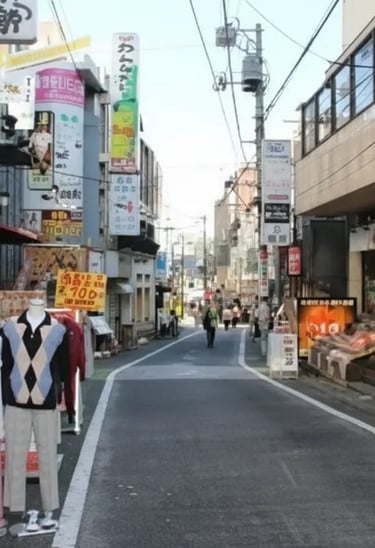
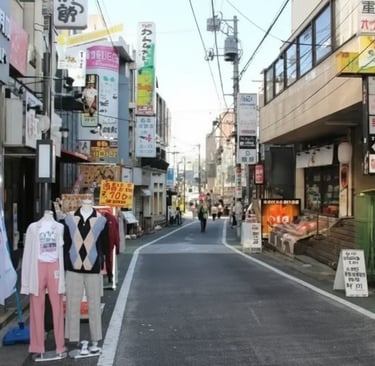
Honest Traveler Insight: It’s Amazing — But Not Always Cheap
While the neighborhood is famous for thrifting, it’s important to set expectations accurately. Some stores are priced higher because items are premium vintage, rare imports, or high-quality curation.
Comments on travel forums often read:
“The selection is incredible, but not bargain-bin cheap.”
“You go to Shimokitazawa not to save money, but to find something special.”
This honesty doesn’t diminish the appeal — it enhances it. It makes the district attractive for travelers who value quality over quantity, style over trends, and stories over fast fashion.
How to Navigate Shimokitazawa Like a Pro
Start early
Shops often open around 11 AM, which gives you time for coffee and a slow, exploratory walk. Morning is also when you get the best merchandise before the crowds arrive.
Follow the alleyways, not the map
The magic is in the backstreets. Some of the best finds are tucked behind cafés, staircases, or tiny courtyards.
Look for specialty stores
Some boutiques focus exclusively on:
80s Americana
Harajuku-style streetwear
Minimalist Japanese silhouettes
Band merch and vinyl
Reconstructed and upcycled garments
These niches are SEO gold for Pinterest, where queries like “Tokyo retro style outfits”, “Japan fashion inspiration” and “vintage Japanese streetwear” consistently trend.
Ask questions
Store owners often know the history of their pieces — their insight adds richness and meaning to your shopping experience.
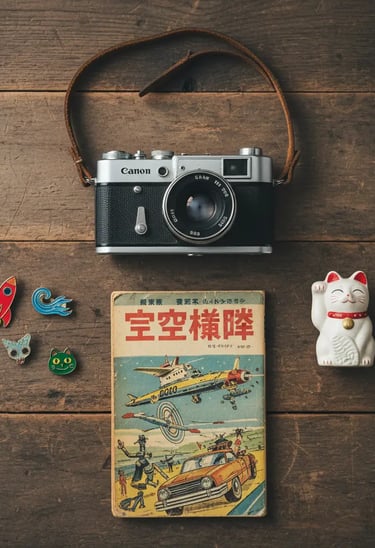
What Makes Thrifting Here So Special?
1. The Density of Shops
You can walk two minutes and stumble across another vintage store. For travelers with limited time, this density creates a rewarding, high-impact thrifting circuit. Google search patterns reflect this — “best vintage stores Tokyo” and “Shimokitazawa vintage shops” rank among the most queried travel-shopping terms tied to Tokyo.
2. The Community Vibe
Unlike the luxury districts of Tokyo, Shimokitazawa’s energy is warm, casual, and welcoming. Store owners often love explaining the story behind their items — which resonates strongly with Pinterest users searching for “unique finds,” “Tokyo retro aesthetics,” and “Japanese streetwear inspiration.”
3. Sustainable Fashion Culture
Japan’s sustainable fashion movement is growing, and Shimokitazawa is one of its engines. Many travelers specifically search for “Japan sustainable fashion” or “eco-friendly shopping in Tokyo”, making this neighborhood a top recommendation for environmentally conscious visitors.
Beyond Shopping: The True Spirit of Shimokitazawa
Even if you leave with one item or none at all, the neighborhood itself leaves an impression. Between shops are indie cafés, vinyl stores, micro-galleries, and music venues — all contributing to the cultural ecosystem that defines Shimokitazawa.
This holistic vibe is why travelers often describe it not just as a destination, but as an experience — one that feels grounded, genuine, and delightfully “unpolished” in a city known for its futuristic sleekness.
Walking through Shimokitazawa reminds you that travel isn’t only about sightseeing — it’s about participating in the creative pulse of a community.
Final Verdict: Is Shimokitazawa Worth It for Thrift Lovers?
Absolutely — especially if you value originality, creativity, and sustainability. This isn’t just Tokyo vintage shopping; it’s a deep dive into one of the city’s most authentic cultural micro-worlds.
Whether you’re building a retro wardrobe, hunting for unique photography inspiration, or simply exploring one of Tokyo’s coolest alternative neighborhoods, Shimokitazawa offers an immersive experience that stays with you long after you’ve left.
It’s not perfect — it’s evolving, eclectic, occasionally pricey, and unapologetically itself.
And that’s exactly why seasoned travelers keep coming back.


FAQ Section
1. Why is Shimokitazawa considered Tokyo’s top vintage district?
Because it delivers a concentrated blend of curated thrift stores, designer resale boutiques, and indie fashion labels—creating a high-value ecosystem for fashion-forward travelers.
2. Is vintage shopping in Japan affordable?
Yes. Pricing varies, but Japan’s quality control standards and well-maintained inventory generate strong value for money compared to Western markets.
3. What are the best days to explore Shimokitazawa’s thrift stores?
Weekdays are optimal for avoiding foot traffic, while weekends feature fresh drops and pop-up micro-events from local sellers.
4. Can I find premium or designer vintage pieces?
Absolutely. The area is known for second-hand designer items in near-perfect condition, sourced through Japan’s highly organized resale supply chain.
5. Are stores tourist-friendly?
Most shops accept cards, offer clear pricing, and have staff comfortable with basic English. The environment is structured to accommodate international visitors.
6. How should I prepare for a vintage-shopping day?
Bring comfortable footwear, a crossbody bag, and a clear wishlist. Many stores are compact, so efficient navigation drives the best outcomes.
7. Is photography allowed inside vintage shops?
Rules differ by shop. Many allow quick snapshots for Pinterest boards, but always ask to maintain good etiquette.
Connect
Join us for travel tips and destination insights.
© 2026. All rights reserved.
Affiliate disclaimer
This website contains affiliate links. If you purchase through these links, we may earn a commission at no extra cost to you.