
Val Thorens Travel Guide 2025/26: Europe’s Highest Ski Resort for Ultimate Alpine Adventure
Discover Val Thorens, Europe’s highest ski resort. Explore ski trails, winter travel tips, French Alps highlights, and must-know insights for your 2025/26 ski holiday.
DestinationDiscover
11/24/20255 min read
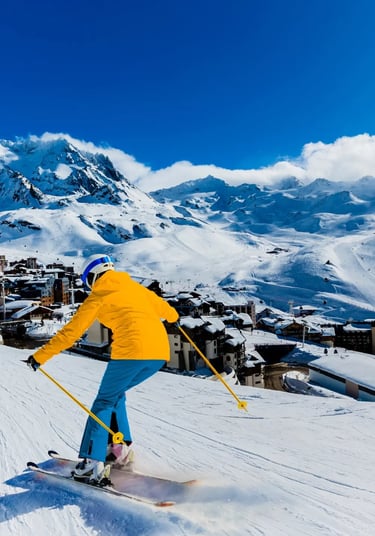
Overview of Val Thorens
Val Thorens, renowned as Europe’s highest ski resort, boasts an impressive altitude of 2,300 meters above sea level. Nestled in the heart of the French Alps, it is part of the expansive Three Valleys ski area, which is one of the largest ski domains in the world. This prime location ensures that Val Thorens receives a substantial amount of snowfall, making it an ideal destination for ski enthusiasts seeking reliable winter conditions. The resort's unique features also cater to families looking for a fun-filled vacation.
One of the standout characteristics of Val Thorens is its vibrant atmosphere. The village is animated with a variety of dining options, bars, and shops, creating a lively après-ski scene. Visitors can indulge in traditional Savoyard cuisine at local restaurants or enjoy a warm drink at one of the many bars to unwind after a day on the slopes. The inclusive nature of Val Thorens attracts diverse groups of people, from seasoned skiers to beginners, fostering a welcoming environment for all. The well-developed infrastructure ensures that families can easily navigate the resort, making it convenient for parents to enjoy skiing while keeping their children entertained.
Accessibility is another highlight of Val Thorens. The resort is well-connected by road and is situated just a short distance from major cities such as Grenoble and Chambery. Furthermore, the nearby Lyon airport provides excellent international access, making it easier for visitors from various countries to reach this snowy haven. Moreover, the resort offers a plethora of winter sports activities, including snowboarding, freestyle skiing, and snowshoeing, providing something for everyone. The combination of high altitude, a bustling village atmosphere, and a multitude of activities solidifies Val Thorens’s reputation as a premier skiing destination that stands out among other ski resorts in Europe.
Altitude Advantages and Ski Terrain
Val Thorens, perched at an impressive altitude of 2,300 meters, boasts distinct advantages that make it a premier destination for skiing enthusiasts. The elevated position contributes to a notably extended ski season, often lasting from late November until early May. This extended timeframe is a significant benefit for skiers and snowboarders, as it ensures optimal conditions with consistent snowfall and fewer weather-related interruptions. The high elevation also means that the snow quality in Val Thorens remains excellent, with a natural snow base complemented by advanced snow-making capabilities, allowing for remarkable skiing experiences throughout the season.
The varied ski terrain within Val Thorens caters to a wide range of skiing abilities. With over 150 kilometers of well-groomed slopes directly within the resort, visitors can easily access trails suitable for beginners, intermediates, and experts alike. Beginner-friendly zones, such as the Plein Sud area, are designed to foster skill development, offering gentle slopes and designated instruction spaces. Intermediate skiers can explore the extensive range of red runs, including the popular ‘Col de la Chambre,’ which provides a thrilling yet manageable challenge.
For those seeking adrenaline-pumping experiences, the challenging black runs in Val Thorens will not disappoint. The renowned ‘3 Vallées’ ski area, which includes Val Thorens, features some of the most exhilarating downhill routes in the Alps. Notable trails such as the ‘Cime de Caron’ offer dramatic descents with breathtaking views that capture the essence of the surrounding mountain landscape. Other highlights include variations in terrain such as off-piste areas, which present skilled skiers with opportunities for exploration and adventure. In summary, Val Thorens not only excels in altitude advantages but also in its diverse ski terrain, establishing itself as a top-tier ski resort in Europe.
Après-Ski and Family-Friendly Options
Val Thorens, recognized as Europe’s highest ski resort, offers a vibrant après-ski scene that complements its remarkable skiing facilities. After an exhilarating day gliding down slopes, visitors can unwind in a variety of bars and restaurants that cater to different tastes and preferences. From cozy mountain chalets serving traditional Savoyard cuisine to lively pubs with live music, there is something for everyone. Establishments such as La Folie Douce and Le Malaysia stand out for their unique atmospheres, attracting both locals and tourists seeking spirited entertainment. Guests can enjoy a range of beverages, including regional wines, craft beers, and innovative cocktails, all while socializing with fellow skiers.
For those traveling with children, Val Thorens holds a reputation for being exceptionally family-friendly. The resort provides numerous amenities designed to ensure families have a comfortable and enjoyable experience. Numerous ski schools offer tailored lessons for young skiers, enabling children to learn from professional instructors in a safe environment. These lessons not only help children build confidence on the slopes but also allow parents the opportunity to enjoy adventures of their own.
Additonally, Val Thorens features various childcare services, ranging from daycare facilities to organized activities specifically designed for younger guests. Options like the Piou Piou Club provide a fun atmosphere for kids, allowing them to engage in snow-related activities under expert care, making family ski holidays both enjoyable and stress-free. Whether a family is enjoying skiing together or parents are taking a moment to relax post-slope, Val Thorens successfully balances the needs of adults and children alike, ensuring a memorable winter getaway for all.
Travel Tips and Best Time to Visit Val Thorens
When planning a trip to Val Thorens, Europe’s highest ski resort, it is essential to consider transportation options, accommodation, and packing essentials. The resort is accessible via various means, including car, bus, and train services. Driving to Val Thorens is a popular choice; however, winter conditions should be taken into account, as snow chains may be necessary. Alternatively, numerous bus services from major cities such as Geneva, Lyon, or Chambéry provide convenient transfers. For those opting for rail travel, the nearest train station is in Moutiers, from which you can catch a local bus or taxi to the resort.
Accommodation in Val Thorens caters to a diverse range of preferences, from luxury hotels to self-catering apartments. It is advisable to book in advance, especially during peak seasons. Websites like ski pass providers and accommodation platforms often feature package deals that cater to a complete ski holiday experience. For those seeking an authentic mountain lodge experience, consider options in the surrounding villages, which also provide a quaint atmosphere.
When packing for a trip, be sure to bring appropriate ski gear, including waterproof clothing, thermal layers, and accessories such as gloves and hats. Sunscreen is also essential, considering the higher altitude and reflective snow, which increases UV exposure. Bringing a camera can be advantageous to capture the stunning alpine landscape.
The best times to visit Val Thorens are during the winter ski season, which typically runs from late November to early May. The 2025/26 ski season is expected to be exceptional, with improved snow-making facilities and the addition of new slopes. Early December and late March are ideal for those looking to avoid crowds while enjoying favorable conditions. During these periods, festive events and ski competitions take place, offering a vibrant atmosphere for visitors.
FAQ Section
1. Why is Val Thorens considered Europe’s highest ski resort?
Val Thorens sits at 2,300 meters, enabling superior snow reliability and an extended winter season, which positions it as a top-tier alpine asset.
2. Is Val Thorens suitable for beginners?
Yes. The resort offers structured beginner zones and professionally supervised ski schools, ensuring a smooth onboarding experience.
3. What is the best time to visit Val Thorens?
Optimal conditions run from late November to early May, driven by altitude and consistent snow performance.
4. How large is the ski area?
Val Thorens is part of the 3 Vallées, delivering access to over 600 km of interconnected pistes — a strategic advantage for all skill levels.
5. How do I get to Val Thorens?
Access is streamlined via Geneva, Lyon, and Grenoble airports, followed by direct shuttle or private transfer options.
6. Is Val Thorens good for families?
Yes. The resort delivers family-oriented infrastructure, kids’ zones, and certified childcare solutions.
Connect
Join us for travel tips and destination insights.
© 2026. All rights reserved.
Affiliate disclaimer
This website contains affiliate links. If you purchase through these links, we may earn a commission at no extra cost to you.