
The Last Tuna Trap: Why This Sailing Tour From Calasetta Is the Most Important Trip You'll Take This Year
Discover the Tuna Trap Tour, an eco-friendly sailing trip from Calasetta to the last traditional Carloforte Tonnara in Sardinia. Explore the ancient Isola system, WWF-supported sustainable tuna fishing, and 19th-century factory tours with expert guide Natalia. Book the most ethical maritime experience in the Mediterranean.
DAY TRIPS
DestinationDiscover
5/18/20265 min read
What Has Industrial Fishing Done to Our Oceans?
You already know the answer. You have seen the photographs. Miles of synthetic netting dragged across the ocean floor, scraping it bare. Entire populations of juvenile fish killed before they ever reproduce. Bycatch — dolphins, turtles, sharks discarded like waste.
Modern industrial trawling does not feed the world. It strips the sea for short-term profit. This is not a political opinion. It is a documented, measurable ecological disaster.
And somewhere deep down, every time you eat seafood or book a beach holiday, you feel the weight of that knowledge. You wonder if there is another way.
There is. And it has existed for over a thousand years.
Did Ancient Fishermen Actually Respect the Ocean?
Long before factory ships and seine nets, Mediterranean communities developed fishing methods built on patience, precision, and restraint. They did not chase fish. They waited. They observed migration patterns across generations. They took only what the season offered.
This was not primitive. It was deeply intelligent. These methods survived for centuries precisely because they did not destroy the resource they depended on.
The question is whether any of these methods still exist today. The answer is yes but barely. One remains.
What Is the Carloforte Tonnara and Why Does It Still Matter?
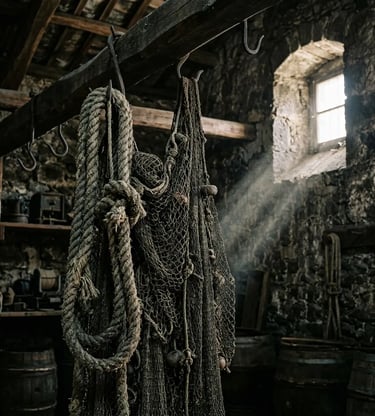
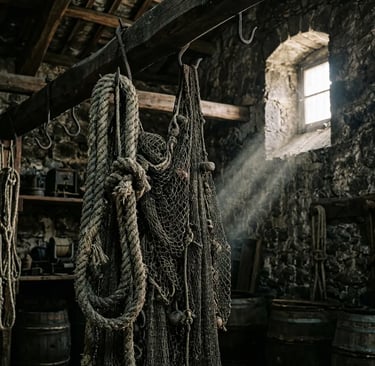
Off the southwest coast of Sardinia, on the small island of San Pietro, the Carloforte Tonnara operates as the last traditional tuna trap in Italy. It uses a fixed net architecture known as the Isola system a highly precise, stationary arrangement of nets that channels migrating bluefin tuna into a series of chambers during their natural passage from April to July.
No boats chase the fish. No nets are dragged. The tuna swim into the system following their ancient route, and only mature, adult fish are selected. The method is so targeted that bycatch is virtually nonexistent.
This is not a museum exhibit. This is a functioning operation, and it stands in direct opposition to the suffocating seine-net methods used by commercial fleets, where entire schools — juveniles included — are encircled and hauled aboard indiscriminately.
The distinction matters enormously. The World Wildlife Fund has officially recognized and supported the Carloforte Tonnara for its sustainable practices. When the WWF endorses a fishing method, you are no longer dealing with marketing language. You are dealing with verified ecological responsibility.
What Is the Traditional Mattanza And Why Is It More Ethical Than Modern Fishing?
The mattanza is the final harvest phase of the tuna trap. It has drawn criticism from people unfamiliar with its reality. Here is what actually happens: adult tuna are guided into the final chamber and harvested swiftly in a single, concentrated event. It is direct, immediate, and concluded quickly.
Compare this to industrial seine-net fishing, where fish suffocate slowly in compressed nets over hours. The mattanza, for all its raw intensity, is faster, more selective, and fundamentally less wasteful. It targets only fully grown tuna, leaving juvenile populations intact to sustain future generations.
This is the kind of ethical complexity that deserves your attention, not your reflexive judgment.
What Will You Actually Experience on the Tuna Trap Tour?
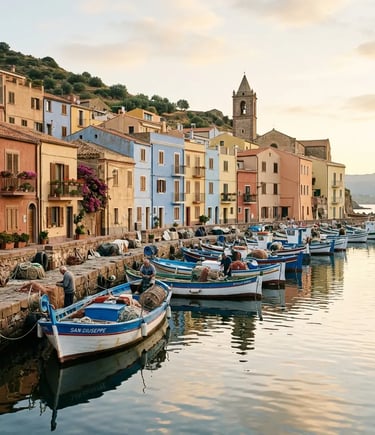
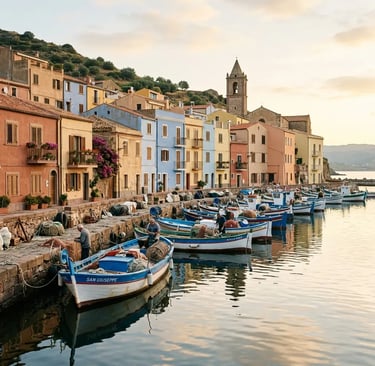
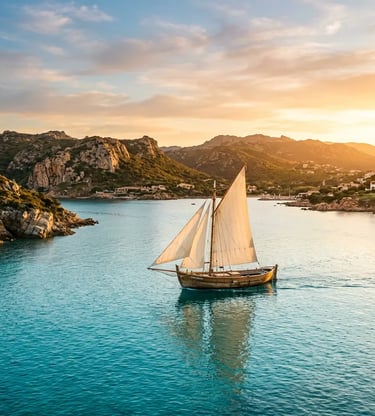
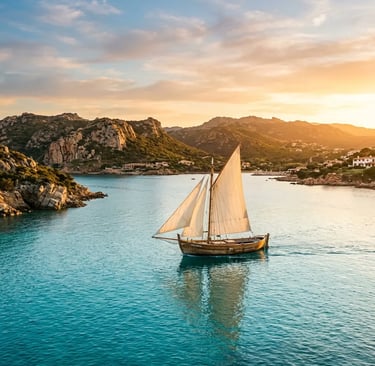
The eco-friendly sailing tour from Calasetta begins on the water. You sail to the island of San Pietro aboard a traditional vessel, crossing the same strait that bluefin tuna have traveled for millennia. The wind, the light, the coastline of southern Sardinia these are not accessories to the experience. They are the experience.
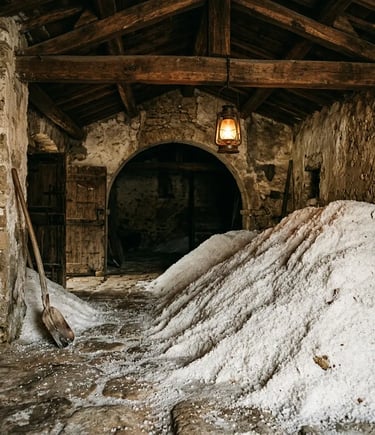
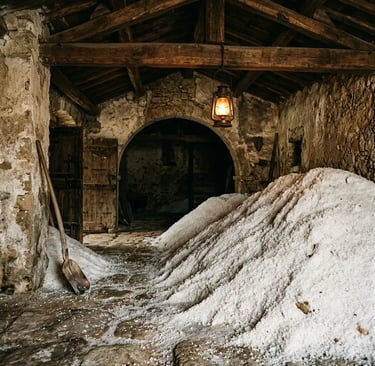
Once on land, the tour continues for two hours through the active tonnara facility, parts of which date to the nineteenth century. Your guide, Natalia, is not a script-reader. She is an expert who brings the factory's living history into sharp focus the salt rooms, the processing halls, the generational knowledge embedded in every wall.
You leave understanding something that most tourists never access: how a community can harvest from the sea for centuries without destroying it.
Why Does Booking This Tour Matter?
Sustainable tourism in Sardinia is not a slogan on this trip. It is the entire foundation. Every ticket directly supports the economic viability of the Carloforte Tonnara and the historical Isola system tuna fishing tradition it preserves.
You have a choice. You can spend your travel budget on another resort that takes from a place and gives nothing back. Or you can put your money behind something that has protected the Mediterranean for over a thousand years.
This is not a tour. It is a position. And the ocean is asking you to take it.
Frequently Asked Questions About the Tuna Trap Tour From Calasetta
What Is the Isola System Used at the Carloforte Tonnara?
The Isola system is a stationary net architecture fixed to the seabed near San Pietro island. It creates a series of underwater chambers that channel migrating adult bluefin tuna along their natural route without chasing or disturbing them. This ancient system operates exclusively from April to July and is recognized as one of the most selective, low-impact fishing methods in the world.
Why Does the WWF Support the Carloforte Tonnara?
The World Wildlife Fund endorses the Carloforte Tonnara because it targets only mature adult tuna, produces virtually zero bycatch, and leaves juvenile populations untouched to reproduce. Unlike industrial seine-net operations that suffocate entire schools indiscriminately, the traditional trap method takes only what the ecosystem can sustain. This official WWF recognition confirms that the tonnara meets the highest verified standards of marine conservation.
What Happens During the Land Tour With Guide Natalia?
The two-hour land segment takes you inside the active tonnara facility, parts of which date back to the nineteenth century. Natalia, an expert guide specializing in the tonnara's history and ecology, walks you through the original salt rooms, processing halls, and explains the generational knowledge behind the operation. You leave with a deep understanding of how sustainable fishing shaped an entire island community for centuries.
When Is the Best Time to Book the Tuna Trap Sailing Tour From Calasetta?
The tour operates during the traditional tuna migration season, running from April through July each year. Early bookings in April or May offer calmer seas and smaller group sizes, while June represents the peak of the bluefin tuna run. Regardless of the month, every departure delivers the full sailing experience across the strait and the complete guided tonnara visit on San Pietro island.
Connect
Join us for travel tips and destination insights.
© 2026. All rights reserved.
Affiliate disclaimer
This website contains affiliate links. If you purchase through these links, we may earn a commission at no extra cost to you.