
The Physical Reality of a Gulet Day on the Adriatic: Brač, Šolta, and the Blue Lagoon
Experience the physical reality of a Split Gulet boat tour through Brač, Šolta, and the Blue Lagoon. Discover onboard amenities, water sports, Jacuzzi, and the tactile sensory environment of a traditional Adriatic wooden sailing vessel.
DAY TRIPS
DestinationDiscover
5/11/20266 min read
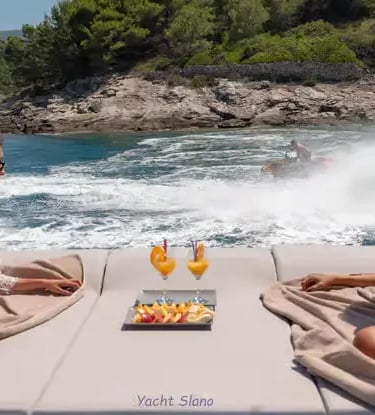
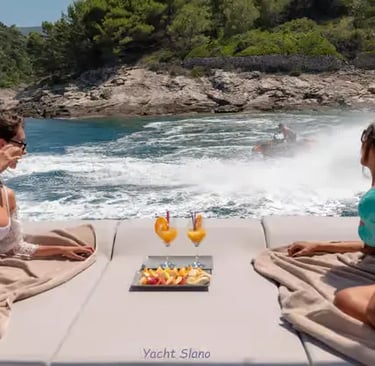
Your nervous system has been running a stress response for months. Screen glare has narrowed your pupils. Office HVAC has flattened your breathing to shallow chest draws. You may not notice any of this until the physical environment changes around you. A traditional wooden Gulet departing from the Split promenade is one such change.
This is not a review. This is a physical account of what the body encounters aboard a Split Gulet boat tour experience through the islands of Brač, Šolta, and the Blue Lagoon.
What Is the Physical Layout of the Gulet?
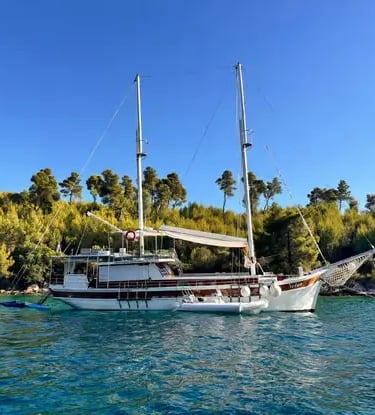
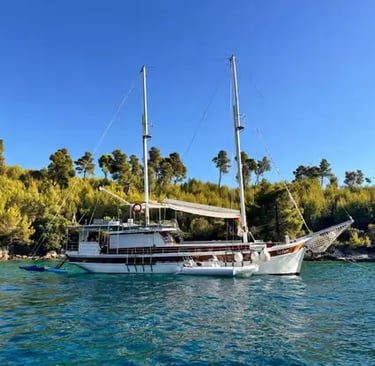
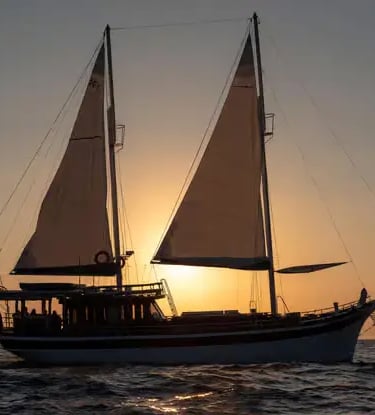
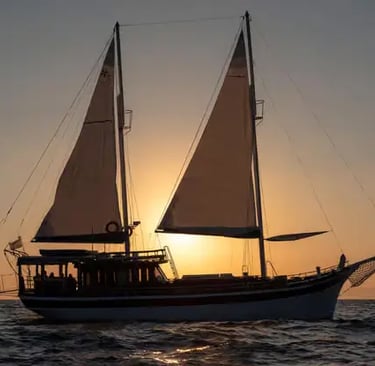
A Gulet is a wide-hulled, motor-assisted sailing vessel built from laminated wood typically pine or mahogany. The deck planks are smooth underfoot, sun-warmed by mid-morning, and wide enough that twelve passengers have clear personal space. The hull sits low. Your center of gravity stays stable. Seasickness is uncommon because the draft and beam ratio absorbs most lateral swell.
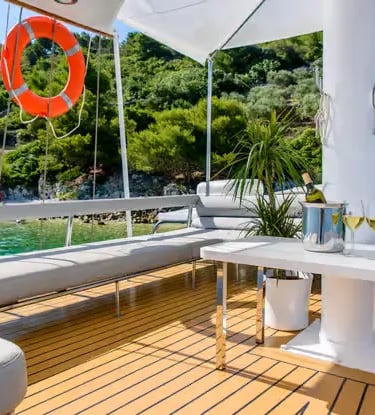
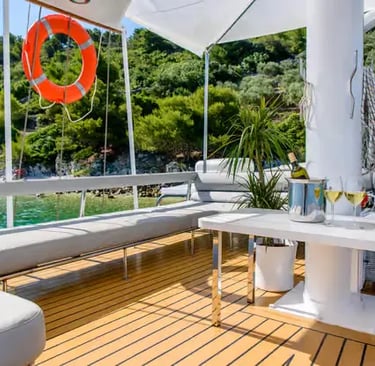
The stern deck holds cushioned sunbathing pads covered in marine-grade vinyl. Midship, a shaded dining area is set beneath a fixed canvas awning. At the bow, a narrow foredeck allows forward-facing seating close to the waterline. Below deck, a head with freshwater is available throughout the voyage.
This Adriatic Sea luxury wooden boat is not fiberglass. Wood dampens vibration differently. Engine resonance is muffled. What you hear is water contact against the hull an irregular, low-frequency sound your auditory system interprets as non-threatening.
What Are the Onboard Physical Amenities?
The following are physically present and accessible aboard the vessel:
Jacuzzi tub — small, stern-mounted, saltwater-fed, heated
Wi-Fi access — functional within coastal range of Croatian mobile towers
Stand-up paddleboards (SUP) — rigid-hull, stored on deck rails
Snorkeling gear — masks, fins, and snorkels in multiple sizes
Fishing equipment — hand lines and basic rod setups
GoPro camera — available for passenger use during water activities
Freshwater shower — stern-mounted, gravity-fed
The onboard Jacuzzi deserves a clinical note. Sitting in heated saltwater while the vessel is anchored in a cove produces simultaneous thermal relaxation and mild proprioceptive confusion — your body registers stillness from the warm water, while your vestibular system detects the subtle rocking of the hull. This is the specific physical mechanism behind the deep calm passengers report. A Split excursion with onboard Jacuzzi is not a luxury gimmick. It is a sensory input that the body processes as safety.
What Does the Blue Lagoon Actually Look and Feel Like?
The Blue Lagoon sits between the small islands near Šolta. The water depth ranges from two to six meters over a white sand and stone bottom. This is what produces the color. Shallow depth plus pale substrate plus direct overhead sunlight equals visible turquoise refraction. The color is not enhanced. It is a consequence of physics.
Water temperature in summer ranges from 22°C to 26°C. Entry from the swim ladder produces an immediate peripheral vasoconstriction followed by rapid adaptation typically within ninety seconds. Underwater visibility exceeds fifteen meters on calm days. The salt concentration of the central Adriatic is approximately 38.5 parts per thousand, which provides noticeable buoyancy.
Blue Lagoon physical water sports available at anchor include paddleboarding, snorkeling, and open-water swimming. The seafloor is visible throughout. There is no current to speak of within the lagoon.
What Does the Body Register During the Full Route?
The voyage departs the Split promenade and moves southwest. Within twenty minutes, the soundscape shifts. Urban noise — traffic, construction, crowd chatter drops below perceptible threshold. What replaces it is wind across the deck, water displacement, and intermittent engine idle.
The route passes the southern coast of Brač, where limestone cliffs reflect sunlight at high intensity. Polarized sunglasses are not optional; they are physiologically necessary. Lunch is served at anchor — typically grilled fish, salad, bread, and local wine. Eating while anchored in a sheltered cove, surrounded by limestone and pine, with bare feet on warm wood, is a specific tactile travel Croatia experience that cannot be replicated digitally.
By late afternoon, the return crossing to Split brings a temperature drop of three to five degrees as the sun lowers. The skin registers this. Shoulders relax without conscious effort. Breathing rate slows.
What Is Actually Happening to You?
Your sympathetic nervous system has been dominant for weeks perhaps months. The combination of natural light spectrum, reduced auditory input, physical water immersion, thermal variation, and the absence of rectangular screens has permitted your parasympathetic system to re-engage.
No one on the boat told you to relax. The wood, the water, the salt, and the silence did it without your permission.
Frequently Asked Questions About the Split Gulet Boat Tour
How long does the Brač-Šolta-Blue Lagoon Gulet excursion last and what is the departure point?
The full excursion runs approximately eight to ten hours, depending on sea conditions and anchorage duration at each stop. Departure takes place from the Split promenade, typically at the western end of the Riva waterfront where Gulet vessels dock overnight. Morning departures are standard, usually between 08:30 and 09:30.
The route moves southwest from Split harbor, passing the southern coastline of Brač before turning toward Šolta and the sheltered Blue Lagoon anchorage. Return to Split occurs in late afternoon as wind conditions soften and the Adriatic surface flattens. The total nautical distance covered is approximately 35 to 45 nautical miles round trip.
Passengers should arrive at the dock fifteen minutes before departure. The boarding process is direct no terminal, no gate, no queue. You step from stone onto wood, and the transition from city to sea begins at the level of your feet.
Is the Gulet excursion suitable for passengers who experience motion sickness?
The Gulet hull design is inherently stable. The beam width relative to length produces a low roll amplitude, meaning the side-to-side motion that triggers nausea in most passengers is significantly reduced compared to narrower vessels. The route itself follows sheltered coastal channels between Brač and Šolta, avoiding open-sea exposure for the majority of the voyage.
Water conditions in the central Dalmatian channel during summer months are typically calm before midday. Afternoon wind the Maestral generates surface chop but rarely exceeds force three on the Beaufort scale. The vessel's displacement hull absorbs this energy efficiently. Most passengers report no discomfort.
For those with known vestibular sensitivity, positioning yourself midship near the vessel's center of gravity reduces perceived motion further. Keeping your eyes on the horizon and staying on deck in fresh air are standard physiological countermeasures. The Gulet's open-deck layout makes both of these effortless.
What is the water temperature and are the water sports safe for beginners?
Summer water temperature in the Split-Brač-Šolta triangle ranges from 22°C in early June to 26°C in late August. The Blue Lagoon anchorage, being shallow and sheltered, often registers one to two degrees warmer than the open channel. Entry without a wetsuit is comfortable for most adults after an initial adaptation period of sixty to ninety seconds.
Stand-up paddleboarding, snorkeling, and open swimming are all conducted in the protected lagoon where there is no meaningful current and the depth does not exceed six meters. The seafloor is visible at all times. SUP boards provided are rigid-hull, wide-format beginner models with high lateral stability. No prior experience is required.
Snorkeling gear is sized on board. The underwater environment consists of rock, sand, and sparse posidonia grass beds with occasional small fish species. There are no hazardous marine animals in this zone. A GoPro camera is available for passenger use, allowing underwater documentation without personal equipment.
What food and drink are served on the Gulet and how is the dining area arranged?
Lunch is served at anchor, typically in the Blue Lagoon or a sheltered cove off Šolta. The standard menu consists of grilled fresh fish, seasonal salad, bread, and local wine or soft drinks. Dietary accommodations can usually be arranged with advance notice. The food is prepared in the below-deck galley and served on the midship dining table.
The dining area sits beneath a fixed canvas awning that blocks direct sun while allowing lateral airflow. Seating is bench-style with cushioned backrests. The table surface is at a standard dining height, and the awning creates a temperature zone approximately four to six degrees cooler than the exposed deck. Eating in this shaded, open-air environment with the smell of salt water and grilled fish activates appetite in a way that enclosed restaurants cannot replicate.
Fresh water, coffee, and fruit are available throughout the day at no additional charge. The bar area is self-service on most vessels. Alcohol beyond the included wine is available for purchase. Hydration in the Adriatic summer heat is a physiological priority the crew will remind you, but your dry lips and mild headache will remind you first.
Connect
Join us for travel tips and destination insights.
© 2026. All rights reserved.
Affiliate disclaimer
This website contains affiliate links. If you purchase through these links, we may earn a commission at no extra cost to you.