
The Creative Pulse of Shimokitazawa: Indie Cafés, Live Music & Art in Tokyo’s Coolest Cultural Hub
Discover Shimokitazawa’s creative subculture—indie cafés, live music venues, and urban art. A 2025 insider guide optimized for Pinterest and cultural travelers.
CITY BREAKS
DestinationDiscover
12/10/20255 min read
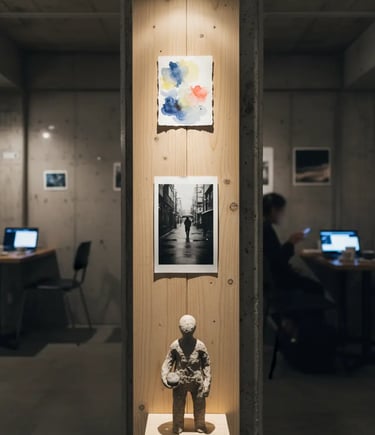
Shimokitazawa—often shortened to Shimokita—has evolved from a quiet residential pocket into one of Tokyo’s most magnetic creative districts. While the city’s neon-heavy neighborhoods dominate the global imagination, travelers seeking authenticity, indie culture, and artistic soul are increasingly turning to this compact yet vibrant enclave. In 2025, Shimokitazawa stands out as a top Pinterest-searched destination for “Tokyo indie cafés,” “Japanese live music,” and “urban art scenes,” making it a prime pick for travelers who want to discover the city beyond the mainstream.
This guide unpackages Shimokitazawa’s creative ecosystem—its alternative cafés, intimate live-music venues, and grassroots art spaces—through a seasoned insider lens. For over two decades, I’ve explored global subcultures, and few places strike the balance of nostalgia, rebellion, and innovation as effortlessly as Shimokita.

The Indie Café Culture: Where Aesthetics Meet Creative Energy
If Tokyo’s café scene is a spectrum, Shimokitazawa sits squarely in the curated-chaos middle—where coffee isn’t just a drink, but a medium for community building. Pinterest trends show spikes in searches such as “Tokyo aesthetic cafés,” “indie coffee shops Japan,” and “creative work cafés Tokyo,” and Shimokita delivers on all fronts.
Spaces That Blend Design & Authenticity
Here you don’t get cookie-cutter minimalism. You get mismatched chairs, vinyl collections stacked to the ceiling, handwritten menus, retro lampshades, and art-filled nooks that feel intentionally unpolished. The aesthetic is raw and deeply photogenic—perfect for Pinterest boards focused on vintage Tokyo, alternative travel, and creative workspace inspiration.
Cafés That Inspire Connection
Shimokitazawa’s indie cafés attract writers, illustrators, filmmakers, and musicians. Many visitors sit with sketchbooks, while locals share ideas over pour-over coffee. The ambience is built for creative flow.
Some cafés double as micro-galleries or live-acoustic spaces, offering rotating exhibitions by emerging Japanese artists. The result is a fluid ecosystem where coffee culture merges seamlessly with urban art, giving visitors a chance to experience Tokyo’s creative heartbeat at close range.
The Live Music Scene: Underground, Intimate & Electrically Authentic
While Shibuya and Shinjuku dominate the commercial music landscape, Shimokitazawa is the epicenter of Tokyo’s indie sound. Google search trends show high global interest in keywords like “Tokyo indie music,” “live houses Japan,” “underground music Tokyo,” and “acoustic bars in Tokyo.”
Live Houses: A Japanese Cultural Staple
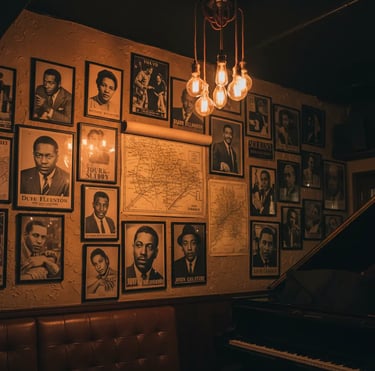
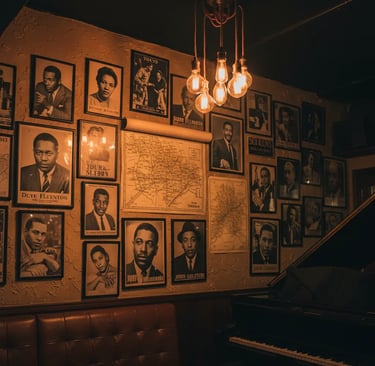
Shimokita is home to some of the city’s most iconic live houses—intimate venues known for showcasing emerging talent and niche genres. These venues range from basement-level rock spaces to jazz bars glowing in the warmth of vintage Edison bulbs.
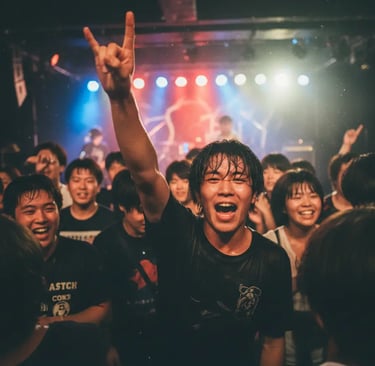
Music lovers will find everything from indie rock and dream pop to experimental electronica and folk. The atmosphere focuses on authenticity rather than formality. You stand close to the stage, feel the percussion in your chest, and experience the kind of raw creative energy that rarely makes it into mainstream tourist itineraries.
Why Live Music Here Hits Differently
Tokyo values precision, but Shimokitazawa values emotion. Performers often speak directly with audiences, share stories, and test new material. It’s common for visitors to discover rising Japanese bands long before they become well known.
If you travel for culture, this is the Tokyo you want to see—not polished, not commercial, but real.
Urban Art, Galleries & Creative Expression
Searches for “Tokyo street art,” “underground art Tokyo,” “Japan emerging artists,” and “alternative galleries Tokyo” continue to spike annually across Pinterest and Google. Shimokitazawa is a direct beneficiary of this trend.
Street Art with Personality
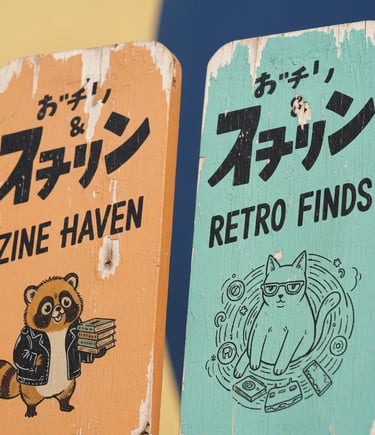
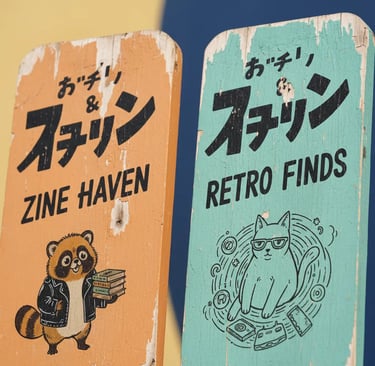
Shimokita isn’t plastered with massive murals like Berlin or Melbourne, but its art scene thrives in subtler ways—hand-painted shop signs, small character illustrations hidden in alleyways, vintage movie posters repurposed into wall collages, and ephemeral stickers that tell micro-stories of the district’s culture.
Every corner is visually layered, creating a dynamic open-air gallery where the aesthetic feels evolving, raw, and alive.
Micro-Galleries and Independent Studios
The neighborhood nurtures countless small galleries and artist-run studios, each showcasing alternative perspectives on contemporary Japanese life. These spaces often highlight mixed media, photography, zine culture, and crafts—making them ideal for travelers seeking unique souvenirs beyond typical tourist merchandise.
Many showcase limited-edition prints, sustainable crafts, and handmade jewelry, aligning perfectly with emerging Pinterest trends such as “slow fashion Japan,” “handmade Tokyo,” and “creative Japanese home décor.”
Why Shimokitazawa’s Creative Culture Resonates Globally
The district’s creative subculture has broad international appeal because it provides an alternative to Tokyo’s predictable attractions.
Authenticity Over Performance
It’s not curated for tourists. It’s curated for locals, artists, and dreamers. And that authenticity translates into powerful storytelling content for social platforms.
Pinterest-Friendly Aesthetics
The visual textures—vinyl cafés, dimly lit live houses, indie décor, cozy alleys—rank well for organic reach across travel content boards.
Sustainability & Slow Living Trends
Shimokitazawa aligns with global interest in sustainability, urban creativity, slow fashion, and experiential travel, making it a top destination for long-term cultural explorers.
FAQ – Shimokitazawa’s Creative Subculture (Indie Cafés, Live Music & Art)
1. What makes Shimokitazawa a top destination for indie culture in Tokyo?
Shimokitazawa combines vintage aesthetics, creative cafés, intimate live music venues, and grassroots art spaces, making it one of Tokyo’s most authentic cultural hubs.
2. Are the indie cafés in Shimokitazawa good for remote work or creative projects?
Yes. Many cafés offer relaxed seating, reliable Wi-Fi, and an artistic ambience ideal for writers, designers, and digital nomads seeking inspiration.
3. Is the live music scene beginner-friendly for tourists?
Absolutely. Most live houses welcome walk-ins, have affordable entry fees, and feature diverse genres—from indie rock to acoustic sessions—making it easy for newcomers to enjoy.
4. Can non-Japanese speakers enjoy events and venues here?
Yes. Staff in cafés and music venues are accustomed to international visitors, and many menus, signs, and event boards include basic English.
5. Is Shimokitazawa safe to explore at night?
Very. The neighborhood is well-lit, community-oriented, and known for its friendly atmosphere, making evening café visits and late-night performances comfortable for travelers.
6. Are there good art galleries or creative studios to visit?
Yes. Shimokitazawa hosts numerous micro-galleries and indie studios showcasing emerging Japanese artists, photography, zines, and handmade crafts.
7. What’s the best time to explore the creative side of Shimokitazawa?
Late mornings are perfect for cafés, while evenings bring the district’s live music culture to life. Weekends often feature pop-up shows and street performances.
8. Can I take photos inside cafés, galleries, or venues?
Policies vary by location. Most cafés allow photography, but live houses and galleries may restrict it. Always ask before snapping pictures.
Connect
Join us for travel tips and destination insights.
© 2026. All rights reserved.
Affiliate disclaimer
This website contains affiliate links. If you purchase through these links, we may earn a commission at no extra cost to you.