
The Scandinavian Minimalist: Mastering Gray and Charcoal Ski Style
Discover Scandinavian ski style with gray and charcoal layers. Complete guide to monochromatic ski outfits, minimalist winter fashion, and chic Nordic aesthetic for the slopes.
SEASONAL TRAVEL
DestinationDiscover
1/10/20266 min read
Affiliate Disclosure
This article contains affiliate links. If you purchase through these links, I may earn a small commission at no extra cost to you. I only recommend products I genuinely believe offer strong performance, quality, and value for your ski and travel experience.
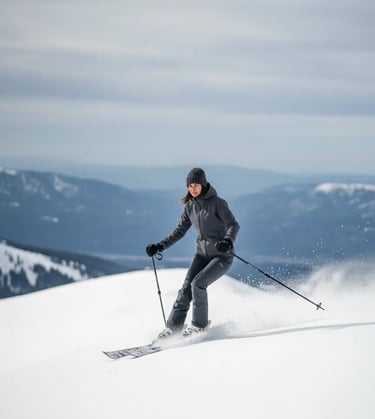
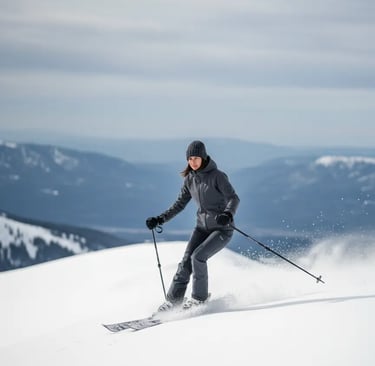
There's something undeniably elegant about watching a skier descend a snow-covered mountain dressed entirely in shades of gray. No loud patterns, no competing colors—just clean lines, impeccable tailoring, and quiet confidence. This is the essence of Scandinavian ski style, where "less is more" isn't just a design philosophy, it's a way of life on the slopes.
If you've been craving a ski wardrobe that feels timeless, sophisticated, and effortlessly chic, the Scandinavian Minimalist aesthetic might be your perfect match. This monochromatic approach to ski wear embraces Nordic simplicity while delivering serious style points and exceptional functionality. Best of all? It photographs beautifully and works for virtually any mountain destination.
The Scandinavian Aesthetic: Why Gray Dominates Nordic Slopes
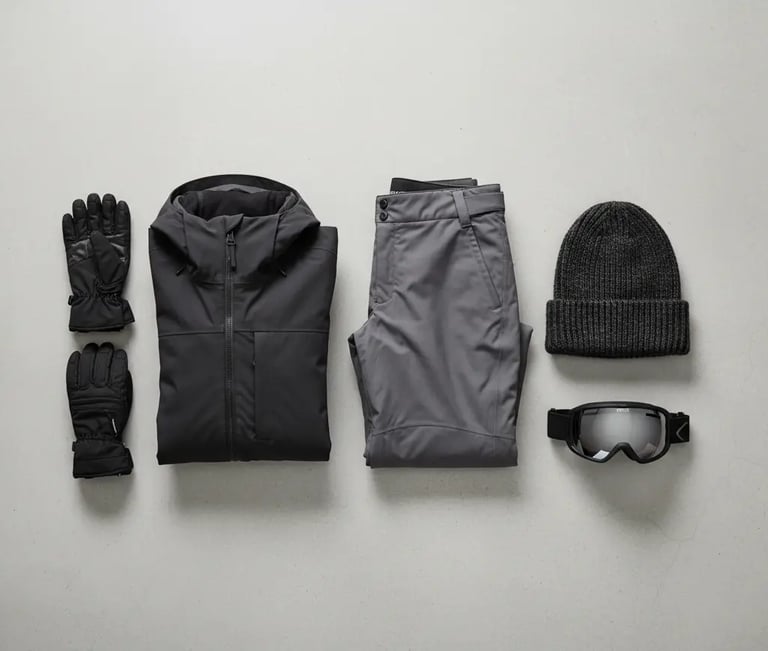
The foundation of this look centers on a carefully curated palette of heather gray, charcoal, and everything in between. Picture a matte-finish gray puffer jacket with minimal branding paired with dark charcoal ski pants—the result is a seamless, monochromatic silhouette that exudes understated luxury.
This aesthetic isn't about being boring or playing it safe. It's about intentional simplicity and letting quality speak louder than logos. Scandinavian design has long celebrated functionality married with beauty, and this ski style translates that philosophy perfectly to alpine environments.
Gray serves as the ultimate neutral canvas. It allows the dramatic mountain landscape to take center stage while keeping you as a sophisticated focal point. Unlike stark white that can wash out in photos or heavy black that absorbs all visual interest, gray creates the perfect balance—visible enough to stand out, subtle enough to remain timeless.
Building Your Monochromatic Ski Outfit
The Outerwear Foundation
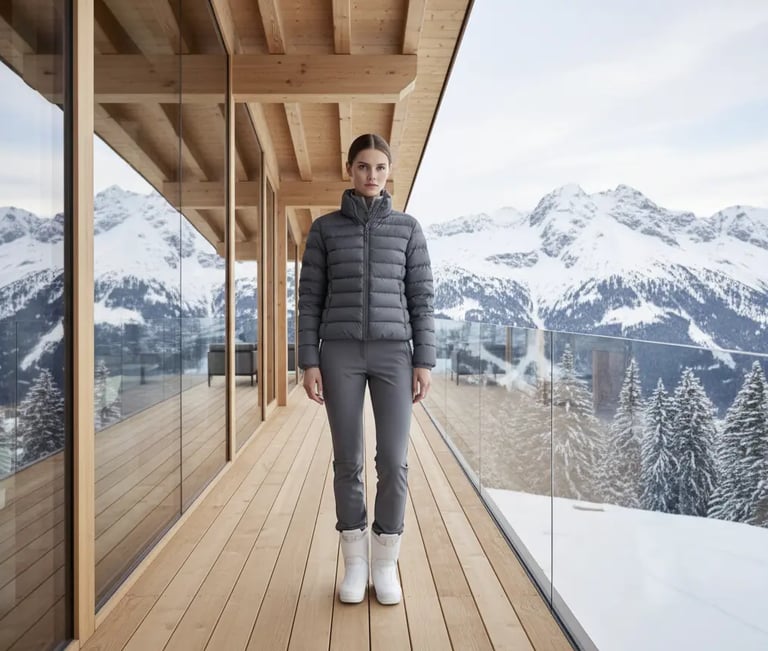
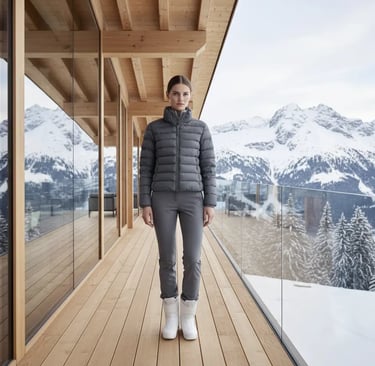
Start with a heather gray or charcoal puffer jacket in a matte finish. Avoid excessive quilting patterns or shiny materials that disrupt the clean aesthetic. Look for streamlined silhouettes without unnecessary details or prominent branding. The jacket should feel like a piece of architectural design—structured, purposeful, and elegant.
Choose technical features that work invisibly: sealed seams, powder skirts, and underarm vents that don't compromise the minimalist exterior. The best Scandinavian-inspired pieces hide their high-performance capabilities beneath refined surfaces.
Technical Bottoms
Pair your gray puffer with charcoal technical ski pants that feature clean lines and minimal detailing. The darker bottom creates natural visual grounding while the slight tonal variation adds depth to your overall look. Opt for pants with a tailored fit rather than oversized styles—the Scandinavian aesthetic favors precision over excess.
The Art of Layering
Here's where the magic happens: layering in multiple shades of gray creates subtle visual interest without introducing competing colors. Build your system with a light gray merino wool base layer, add a medium gray fleece mid-layer, and top with your dark gray or charcoal outerwear. This tonal gradation adds sophisticated dimension while maintaining the monochromatic vision.
The key is varying textures alongside your shades. Soft merino against your skin, cozy fleece in the middle, and a technical shell on the outside—these material contrasts prevent your outfit from appearing flat or one-dimensional.
Accessories: Completing the Minimalist Vision
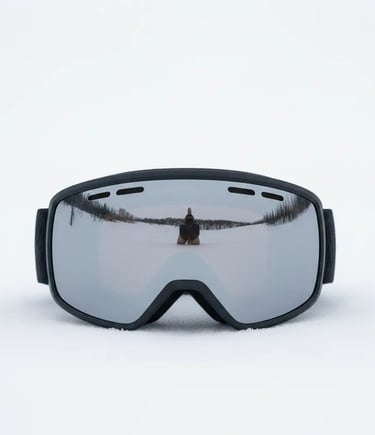
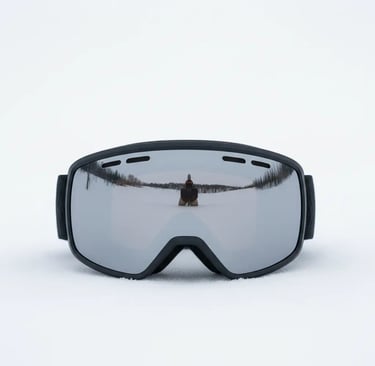
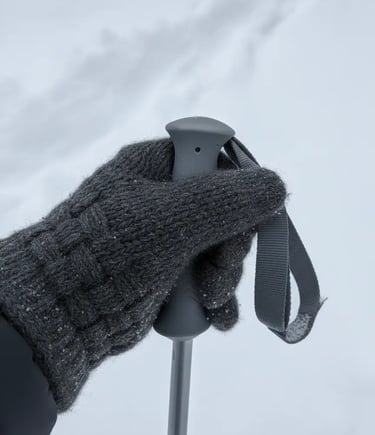
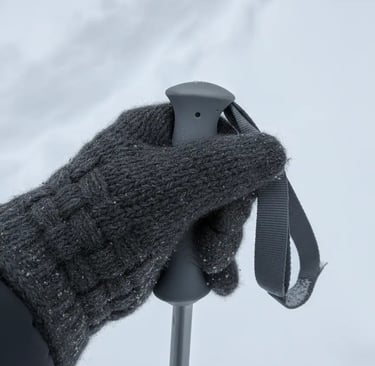
Every detail matters in Scandinavian ski style. Choose a charcoal wool beanie for warmth and texture, dark gray gloves that disappear into your overall palette, and all-black or gray-framed goggles. Even your ski boots should align with the aesthetic—opt for gray or white designs that anchor the look without disrupting the color story.
These accessories aren't afterthoughts; they're integral to maintaining the cohesive, curated appearance that defines Nordic minimalism. Each piece should feel intentional and considered, contributing to the overall harmony of your ensemble.
Why Gray Works: Photography and Psychology
If you're wondering why this monochromatic approach dominates Scandinavian slopes and Pinterest boards alike, the answer lies in both aesthetics and practicality. Gray photographs exceptionally well against snow—it provides enough contrast to keep you visible and interesting without overwhelming the frame.
The various shades create natural depth in photos. Light gray bases peek through at your neckline and wrists, medium gray mid-layers add dimension, and dark gray outerwear defines your silhouette. This gradation builds a sophisticated visual story that black-on-black or white-on-white simply can't achieve.
For women who appreciate capsule wardrobes and clean aesthetics, this look offers year-round appeal. The neutral palette works seamlessly across different ski destinations, from Norwegian fjords to Colorado peaks, making it a smart investment for frequent travelers.
Performance Meets Practicality
Beyond aesthetics, the Scandinavian Minimalist outfit delivers practical advantages. Gray gear shows significantly less dirt and wear than white while maintaining a cleaner appearance than black throughout your ski day. It's the Goldilocks choice—just right for real-world mountain conditions.
The layering system adapts beautifully to fluctuating temperatures. Remove your fleece for warm spring skiing, add a down vest beneath your shell for arctic conditions, or wear the complete system for maximum warmth. This versatility means fewer pieces in your ski bag and more options on the mountain.
Temperature regulation works effortlessly with gray tones. The mid-range colors neither absorb excessive heat like black nor reflect it entirely like white, helping you maintain comfortable body temperature across varying conditions and activity levels.
Get the Look: Investment vs. Accessible Options
Luxury Investment Pieces
For those ready to embrace premium Scandinavian ski style, Arc'teryx and Norrøna lead the category. These brands exemplify Nordic design principles with exceptional technical performance. Expect to invest $500-800 per item, but you're purchasing pieces engineered to last multiple seasons while maintaining their sophisticated appearance.
Arc'teryx offers refined gray options with barely-there branding and impeccable construction. Norrøna, a Norwegian heritage brand, delivers authentic Scandinavian aesthetic combined with cutting-edge fabric technology.
Accessible Alternatives
You don't need a luxury budget to achieve this look. Patagonia, Columbia, and REI Co-op offer excellent gray ski gear in the $150-300 range per piece. These brands frequently feature monochromatic options and maintain solid technical specifications that perform reliably on the slopes.
Look for pieces with clean designs and minimal branding. The beauty of the Scandinavian aesthetic is that it transcends price points—it's about the overall vision and thoughtful curation rather than flashy logos.
The Scandinavian Minimalist ski style represents more than a fashion trend—it's a timeless investment in your winter wardrobe. This monochromatic approach to chic ski wear combines Nordic simplicity with exceptional functionality, creating looks that photograph beautifully and perform flawlessly season after season. Whether you're carving fresh powder in Norway or cruising groomers in the Alps, gray and charcoal layers offer the sophisticated, understated elegance that never goes out of style.
Frequently asked questions
What is Scandinavian ski style?
Scandinavian ski style embraces Nordic minimalism with clean lines, monochromatic color palettes, and "less is more" philosophy. This aesthetic typically features gray and charcoal ski gear in matte finishes with minimal branding, creating sophisticated, timeless looks that prioritize both function and understated elegance.
How do I create a monochromatic ski outfit?
Build your monochromatic ski outfit by layering multiple shades of gray. Start with a light gray merino base layer, add a medium gray fleece mid-layer, and top with a charcoal or heather gray puffer jacket. Pair with dark gray ski pants and charcoal accessories like beanies and gloves for a cohesive Nordic aesthetic.
What are the best brands for gray ski gear?
Luxury options include Arc'teryx and Norrøna ($500-800 per piece), which offer authentic Scandinavian design and premium performance. Accessible alternatives include Patagonia, Columbia, and REI Co-op ($150-300 per piece), all offering excellent gray options with solid technical specifications and minimal branding.
Why does gray ski gear photograph better than other colors?
Gray provides ideal contrast against snow without overwhelming photos. Unlike white that washes out or black that absorbs detail, gray maintains visibility while letting the alpine landscape shine. The tonal variations in gray—from light to charcoal—create natural depth and dimension that translates beautifully in images.
Is gray ski wear practical for mountain conditions?
Yes, gray ski gear offers excellent practicality. It shows less dirt and wear than white while maintaining a cleaner appearance than black throughout your ski day. Gray also helps with temperature regulation, neither absorbing excessive heat like black nor reflecting it entirely like white, making it ideal for fluctuating mountain conditions.
How do I add visual interest to a gray monochromatic outfit?
Create visual interest through texture and tonal variation. Mix matte shell jackets with slight sheen on pants and soft fleece mid-layers. Layer different shades of gray from light to dark to build sophisticated gradation. These texture and tone contrasts prevent the monochromatic look from appearing flat or boring..
Connect
Join us for travel tips and destination insights.
© 2026. All rights reserved.
Affiliate disclaimer
This website contains affiliate links. If you purchase through these links, we may earn a commission at no extra cost to you.