
Is a Private Mt. Fuji & Hakone Tour Worth It? A Brutally Honest Review
Isplati li se privatni Mt. Fuji & Hakone tour? Iskrena recenzija: cijena vs DIY troškovi, Shiraito Falls, Lake Ashi i 5th Station.
DAY TRIPS
DestinationDiscover
1/20/202610 min read
Let’s be real: seeing Mt. Fuji from Tokyo should feel like a once-in-a-lifetime kind of day—clean air, iconic views, that quiet little thrill when you realize you’re actually standing in front of the mountain you’ve seen on postcards for years.
But for most travelers, it starts with a far less romantic experience:
Googling train connections at 6:30 a.m.
Trying to decode which bus stop is actually the right one
Realizing your “simple day trip” involves 5+ transfers, multiple ticket systems, and a timetable that doesn’t care you’re traveling with a child, a senior, or a heavy camera bag
This is the Fuji Dilemma in a nutshell:
Do you spend the day “earning” Mt. Fuji the hard way… or do you pay for comfort and actually enjoy it?
In this review, I’m going to give you the honest answer about the GetYourGuide “Mt. Fuji, Shiraito Falls, and Hakone Private Tour”—and whether it’s genuinely worth the cost for couples, families, and photographers who value time, flexibility, and sanity.
Affiliate Disclosure
This article contains affiliate links. If you purchase through these links, I may earn a small commission at no extra cost to you. I only recommend products I genuinely believe offer strong performance, quality, and value for your ski and travel experience.
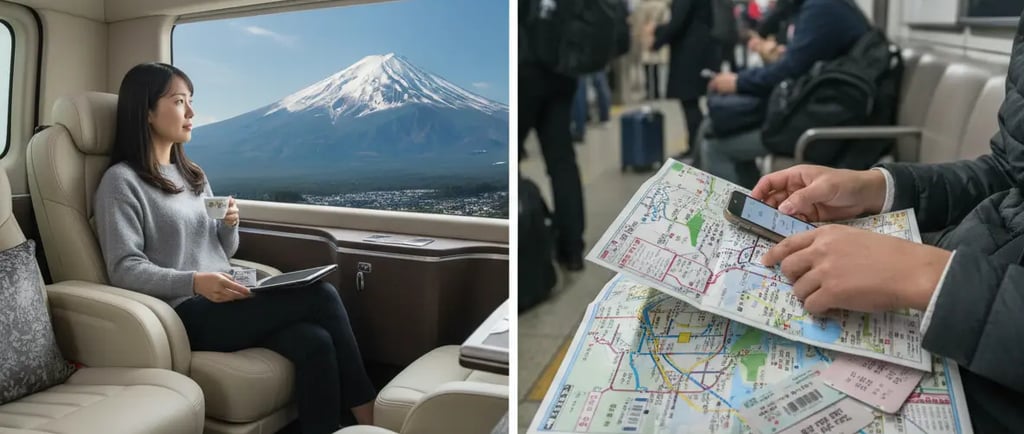
The Fuji Dilemma: DIY Adventure or Private-Car Ease?
There’s a certain romance to the DIY route. You picture yourself hopping trains like a seasoned Tokyo local, grabbing snacks from a konbini, and breezing through stations with the confidence of someone who definitely didn’t just miss the right platform.
Reality check: a “DIY Mt. Fuji + Hakone day” from Tokyo is one of the most logistically punishing itineraries you can attempt in Japan especially if you’re trying to do both regions in one day.
Here’s why:
Fuji area and Hakone aren’t naturally connected by a simple, tourist-friendly public transport line.
You often need to route back and forth through transit hubs, which eats time fast.
Every missed connection compounds. And you will miss at least one connection if you’re unfamiliar with the system or traveling during peak seasons.
Now compare that to the private option:
With a Tokyo to Mt Fuji private car, your day starts like this:
Your driver picks you up at your hotel/Airbnb
You sit down, buckle up, and exhale
You’re not watching the clock you’re watching the scenery change
If you’re traveling as an affluent couple, with kids, with parents, or with serious photography gear, that difference isn’t small. It’s the difference between “a long day” and “a great day.”
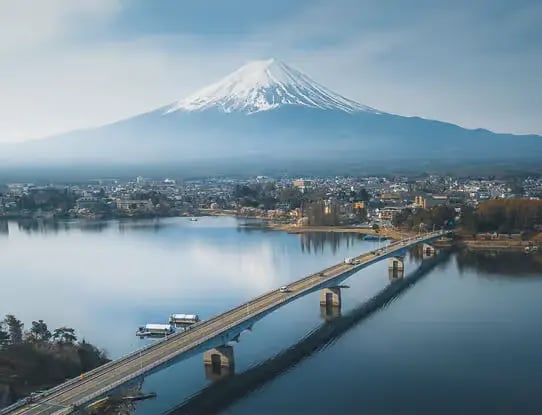
Cost Breakdown: The Hidden Costs of DIY vs. the Upfront Tour Price
Private tours always look expensive at first glance. That’s normal. Your brain sees the number and immediately compares it to a train ticket.
But the smarter comparison is total cost + total friction.
Because DIY travel to Mt. Fuji and Hakone rarely stays “cheap” once real-world variables kick in.
Hidden Costs of DIY (That No One Puts on the Instagram Reel)
Depending on your route, season, and tolerance for walking, DIY often includes:
Train tickets (Tokyo → Fuji area and/or Hakone loops)
Buses to key viewpoints (and sometimes backtracking)
Taxis when the bus schedule doesn’t line up with reality
Food and drinks purchased out of convenience because you’re rushing
Lost time (which is a cost if you’re on a premium Japan itinerary)
Physical exhaustion especially for seniors, parents carrying bags, or anyone with mobility limits
Stress cost: the mental energy of constantly navigating
And here’s the big one people ignore:
If you only have one clear day in your Tokyo itinerary to see Fuji, a DIY failure is expensive.
Cloudy views + missed connections + “we didn’t make it to Hakone” can turn your one shot into a frustrating blur.
Why the Private Tour Can Look “Affordable” When Split
The GetYourGuide private tour price makes more sense when you do the math the way affluent travelers actually should:
Cost per group ÷ number of travelers = cost per person.
If you’re traveling with:
4 people (family or two couples)
5–6 people (family + grandparents / friends)
…your per-person cost often lands in a range that competes surprisingly well with the DIY route once you factor in taxis, transit upgrades, and most importantly time.
And time matters. In luxury travel, time is the real currency.
If your goal is the best way to see Mt Fuji from Tokyo without burning a full day in transit chaos, the private tour isn’t just a splurge. It’s a strategy.
Itinerary Deep Dive: What You Actually Get in a Day
This tour’s main promise is simple but powerful:
Mt. Fuji + Shiraito Falls + Hakone in one day with comfort, flexibility, and minimal wasted motion.
That combo is exactly what’s “nearly impossible” via public transport unless you’re willing to accept tight timing, rushed stops, and a lot of walking.
Let’s break down the key highlights.
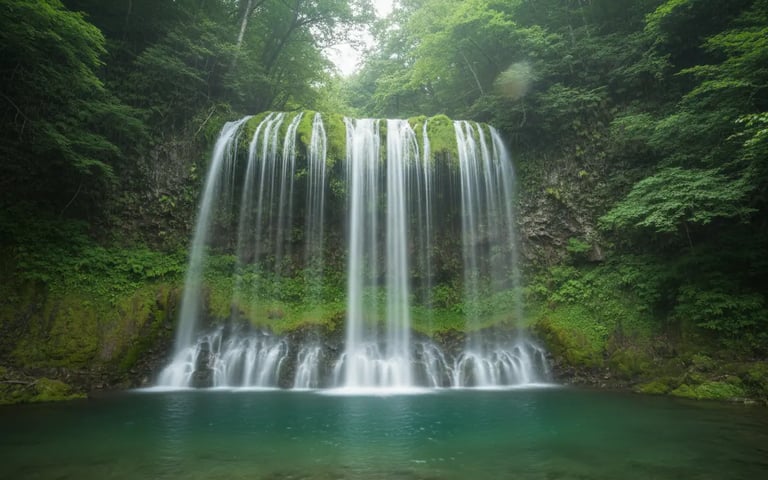
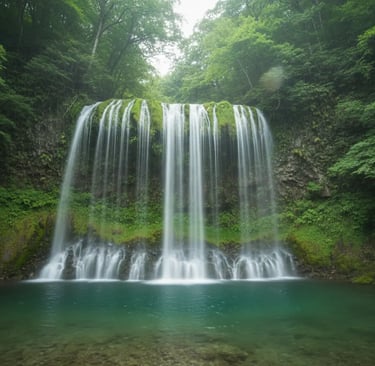
Stop 1: Shiraito Falls — The “Hidden Gem” That Big Tours Skip
If you’re the kind of traveler who loves places that feel discovered rather than processed, Shiraito Falls is going to be your moment.
Often described as a “hidden gem” (and yes, it’s one of the rare times that phrase is deserved), Shiraito Falls feels like a natural art installation:
A wide curtain of delicate streams
Mossy greenery everywhere
Cool mist in the air
The sound is soft—more whisper than roar
Some travelers call it a UNESCO-level masterpiece (the area is closely tied to Fuji’s cultural heritage), and the reason it feels special is simple:
Most big bus tours skip it because it’s not as “efficient” for mass schedules.
On a private day, it becomes the opposite: one of the most memorable parts.
If you’ve ever heard people talk about Japan’s forests feeling “alive,” this is where you’ll understand it. The air feels charged—locals will even mention the so-called negative ions from waterfalls, the idea that the mist leaves you calmer and more refreshed.
Whether you believe the science or not, you’ll likely feel the effect.
Photographer note:
The falls are a dream for long exposures, but even phone photos look cinematic because the scene has natural depth—water, rock texture, and saturated greens.
This stop alone can justify a Shiraito Falls day trip if you love nature and want something beyond the standard checklist.
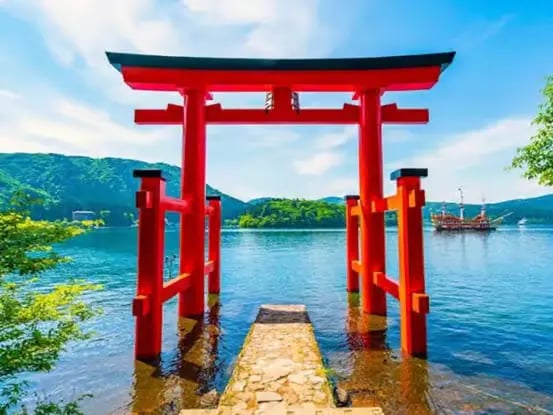
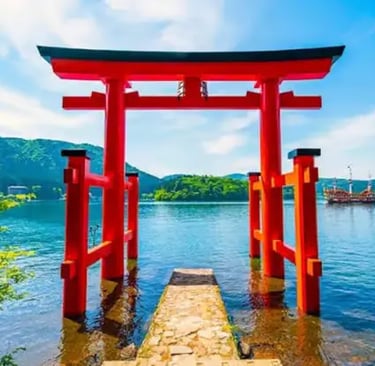
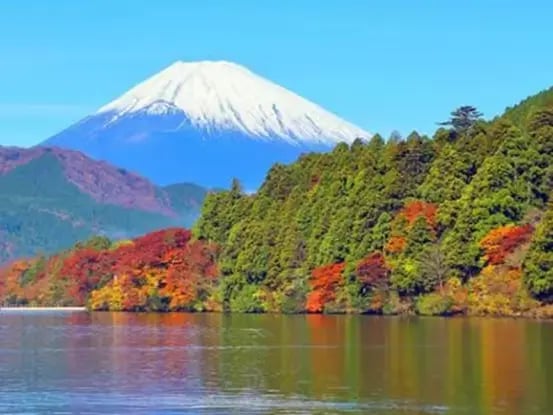
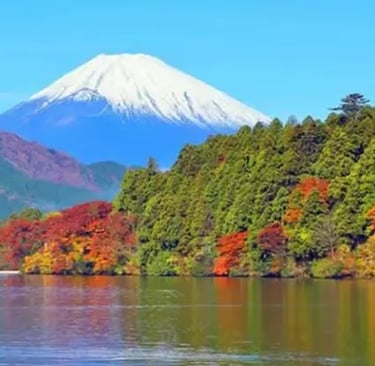
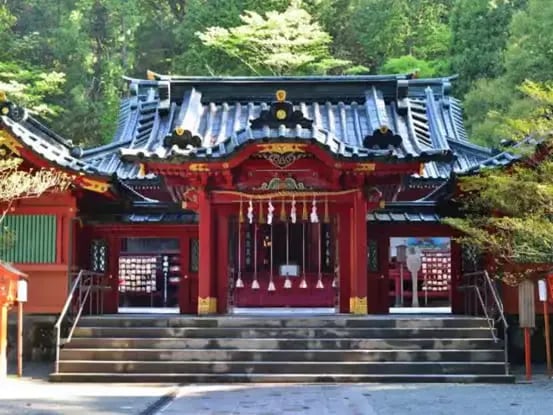
Stop 2: Hakone — Lake Ashi & Shrine (And the Torii Gate Photo You Actually Want)
Hakone is famous for good reason. It’s scenic, iconic, and a little bit theatrical in the best way.
The Lake Ashi area gives you:
Calm water
Mountain backdrops
A chance of Fuji views on clear days
And the iconic shrine atmosphere that feels distinctly “Japan”
The star attraction for many visitors is the Torii gate photo op near the water.
But here’s the brutally honest part:
It can be crowded. Sometimes very crowded. The lines for that “perfect shot” can be surprisingly long.
This is where having a private driver changes the experience.
Instead of being locked into a rigid bus schedule, your driver can help you:
Arrive earlier or later to dodge peak congestion
Adjust timing if traffic builds
Keep the day moving so you’re not forced to choose between “Torii photo” and “making it back to Tokyo”
If you’re traveling with kids or seniors, this matters even more Hakone’s “little walks” add up quickly.
From a planning standpoint, this portion of the day also gives the tour a well-rounded feel: you’re not just chasing Fuji viewpoints; you’re getting cultural atmosphere and lake scenery too.
In terms of a Hakone private tour itinerary, this is one of the best possible inclusions for a one-day run.
Stop 3: Mt. Fuji 5th Station That High-on-the-Mountain Feeling
Mt. Fuji 5th Station is one of those places where the photos don’t fully translate the sensation.
You’re up on the mountain, and even if the summit is hiding behind clouds, you still get:
A dramatic sense of elevation
Crisp air (often cooler than Tokyo by a lot)
The feeling of being inside the Fuji world, not just looking at it
On a clear day, it’s exhilarating like the mountain is finally “real,” not just a silhouette in the distance.
On a not-so-clear day, it can still be worth it because the atmosphere changes so quickly on Fuji. Mist can roll in and out within minutes, and sometimes you’ll get a sudden window of visibility that makes the whole stop.
This is also one of the reasons private tours win: you can linger a bit when the conditions are good, and you can move on when they’re not.

The “Private” Advantage: Flexibility, Weather-Chasing, and Real Comfort
If you’ve ever tried to “plan” Mt. Fuji views, you already know the truth:
Fuji does what it wants.
It can be crystal clear at 9:00 a.m., vanish behind clouds at 10:00, and reappear at 11:15 like nothing happened.
A private tour’s biggest advantage isn’t just leather seats or polite service—though those help.
It’s strategic flexibility.
1) You Can Chase the Weather
This is the killer feature.
If Fuji is clouded over from one side, an experienced driver can often adjust the route to try a different viewpoint or shift the order of stops.
You’re not stuck with:
“We go here at 10:00 no matter what.”
“Sorry, this is the schedule.”
Instead, you get something closer to:
“Let’s pivot while the mountain is playing nice.”
That flexibility can be the difference between “we didn’t see Fuji” and “we saw it for 20 magical minutes.”
And if you’re a photographer? That’s everything.
2) Door-to-Door Service Changes the Whole Day
A true Tokyo to Mt Fuji private car experience means:
Hotel pickup
No lugging bags across stations
No stairs, escalator hunts, or platform confusion
No “Are we on the right line?” moments
For families with kids: fewer meltdowns.
For seniors: fewer strain points.
For couples: more romance, less logistics.
3) The Van Comfort Isn’t “Extra” It’s the Point
A good private vehicle setup typically includes:
Air conditioning (critical in Japan’s warmer months)
Charging ports (non-negotiable for photographers and families)
Comfortable seating
Space for strollers or gear
And psychologically? It gives you a “home base” for the day. That’s a luxury in itself.
You hop out, explore, hop back in, reset.
No dragging your day on your shoulders.
Who This Tour Is Best For (And Who Should Skip It)
This Tour Is Worth It If You Are…
An affluent couple
You want a smooth, romantic day where the logistics disappear. You’d rather pay more than spend your anniversary trip staring at transit apps.
A family with kids
Private transport turns a potentially punishing day into a manageable one. Naps happen. Snacks happen. Bathroom stops happen. Without drama.
Traveling with seniors
The walking, standing, and stair factor in DIY routes is real. A private car minimizes the physical tax.
A photographer
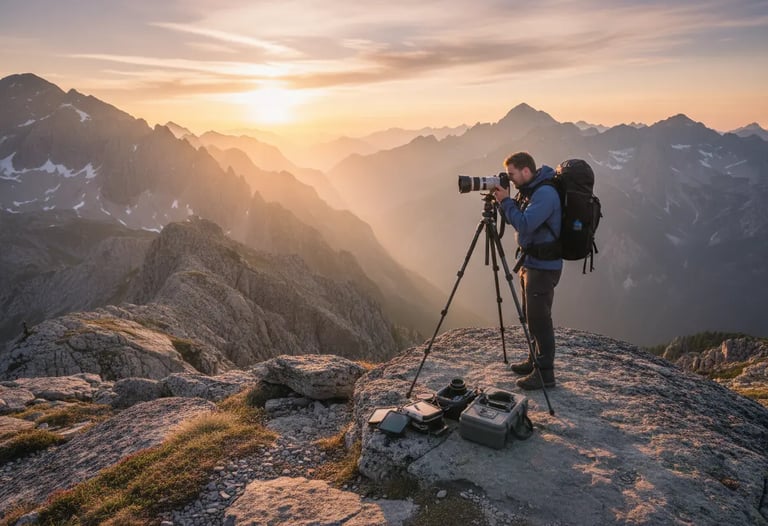
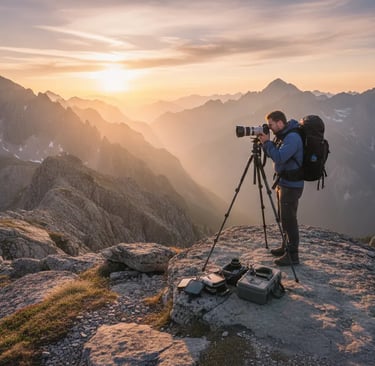
Chasing weather, adjusting timing, carrying gear—private tours are simply more compatible with serious shooting.
You Might Want to Skip If You…
Love complex public transport as a hobby
Are traveling solo on a tight budget
Only care about one single Fuji viewpoint and don’t mind a long, rigid day
There’s no shame in DIY if you enjoy it. But the question here is “worth it,” and for the target audience, the answer leans strongly yes.
Practical Tips to Get the Best Experience
A few small moves can make a big difference:
Book early, especially in peak seasons (spring and autumn).
If you’re a photographer, tell the operator you care about viewpoints and timing.
Pack layers: the 5th Station can be much cooler than Tokyo.
Start early if possible less traffic, better odds of clear Fuji.
Final Verdict: Is It Worth It?
Yes for the right traveler, this private tour is absolutely worth it.
Not because it’s “fancy,” but because it solves the three things that ruin Mt. Fuji day trips:
Logistics overload
Time waste
Fuji’s unpredictable weather
When you book the Mt. Fuji, Shiraito Falls, and Hakone Private Tour on GetYourGuide, you’re buying back your day. You’re buying ease. And you’re giving yourself the best shot at seeing Fuji without turning your vacation into a transport marathon.
My Brutally Honest Recommendation
If you’re traveling as a couple, a family, or a small group and you value comfort and efficiency, this is one of the smartest ways to do Fuji + Hakone in one go.
Book early. English-speaking drivers are limited, and the best ones get reserved fast especially during cherry blossom season, summer holidays, and peak autumn foliage weeks.
If your Tokyo itinerary is tight and you want the best way to see Mt Fuji from Tokyo, a private car day like this is the closest thing to a “no regrets” choice you can make.
FAQ
1) Is a private Mt. Fuji & Hakone tour worth it vs. DIY?
If you’re traveling as a couple, with family, or in a group of 4–6, usually yes. Once you split the cost per person and factor in time lost, taxis, and fatigue, the private option often delivers better overall value.
2) Is it realistic to do Mt. Fuji and Hakone in one day?
By public transport, it’s technically possible but logistically painful and often rushed. A private driver makes it realistic because they connect the route efficiently and can adjust timing to keep the day smooth.
3) What are the “hidden costs” of doing it yourself?
Common ones include multiple train/bus tickets, occasional taxi rides, wasted hours on transfers, physical exhaustion (especially with kids/seniors), and the risk of delays or missed connections derailing your plan.
4) Is Shiraito Falls actually worth the detour?
Yes especially if you want something beyond the standard tourist checklist. Shiraito Falls is a true hidden gem many big bus tours skip, and it’s gorgeous: lush greenery, delicate streams, and a cool, misty atmosphere.
5) Will we definitely see Mt. Fuji?
No one can guarantee it Fuji is famously unpredictable. The advantage of a private tour is weather-chasing flexibility: if it’s cloudy on one side, your driver can often adjust the plan to try better viewpoints.
6) What’s the best time of year to take this tour?
Spring and autumn are the most popular for comfort and scenery. Winter often brings clearer skies (but colder temperatures). Summer can be humid with more clouds visibility is more hit-or-miss.
7) Is this tour suitable for families with kids or seniors?
Absolutely. This is one of the biggest reasons to go private: less walking, easier bathroom/snack stops, AC comfort, and door-to-door pickup that reduces stress for everyone.
8) Do I need to book in advance?
Yes. There’s often a shortage of English-speaking drivers, especially in peak season, on weekends, and during holidays so the best time slots can sell out quickly.
Connect
Join us for travel tips and destination insights.
© 2026. All rights reserved.
Affiliate disclaimer
This website contains affiliate links. If you purchase through these links, we may earn a commission at no extra cost to you.