
Poás Volcano National Park: Witness the Power and Beauty of Costa Rica’s Living Volcano
Discover Poás Volcano National Park — Costa Rica’s breathtaking crater above the clouds. Hike, explore, and witness volcanic beauty in pure nature.
DestinationDiscover
11/5/20256 min read
Standing at the Edge of Fire and Mist
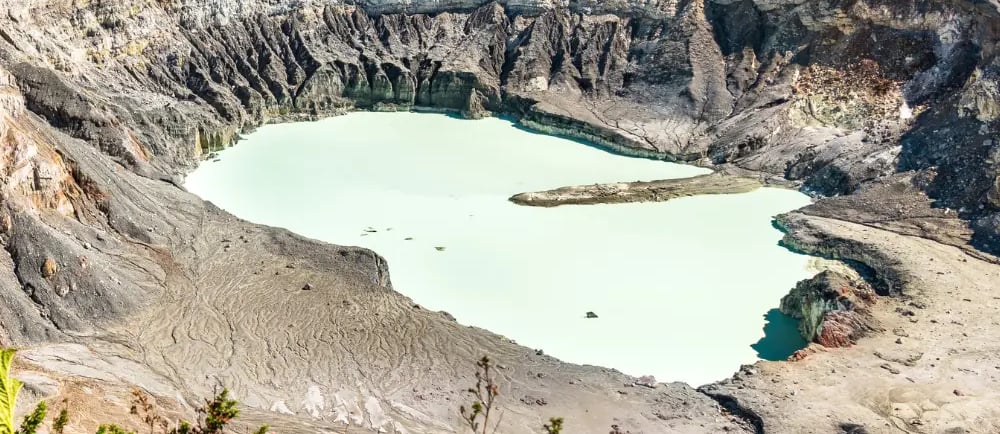
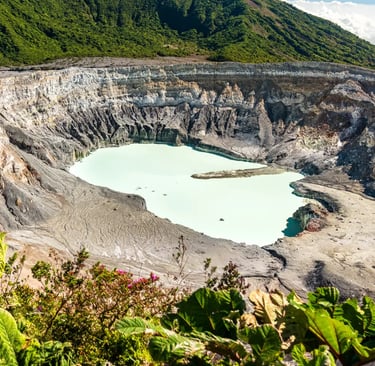
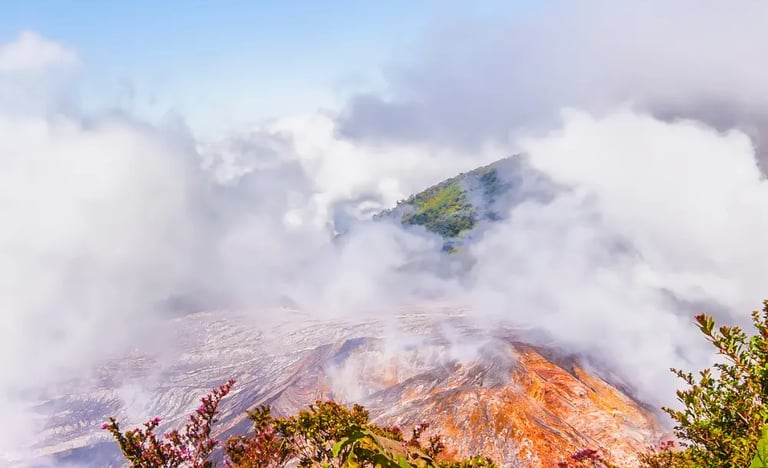
Imagine standing before a massive volcanic crater, its turquoise lake shimmering beneath drifting clouds, while steam curls from the earth in silent whispers. The air is crisp, tinged with the scent of sulfur and rain-soaked moss. This is Poás Volcano National Park, one of Costa Rica’s most awe-inspiring natural wonders — a place where the planet’s raw power meets breathtaking serenity.
Located just 90 minutes from San José, Poás feels otherworldly yet surprisingly accessible. As you ascend the mountain, the landscape shifts from coffee plantations and dairy farms to misty cloud forests draped in green. When you finally reach the rim, the view stops you in your tracks: a monumental crater nearly a mile wide, with an acid lake that glows a surreal aquamarine. In that moment, staring into the heart of the earth, you realize — this isn’t just another destination. This is Costa Rica’s soul laid bare.
For travelers searching for the ultimate combination of adventure and wonder, Poás Volcano National Park belongs at the top of your Costa Rica travel guide.
About Poás Volcano: Where Earth Breathes Fire
Rising to an elevation of 2,708 meters (8,885 feet), Poás Volcano is one of the most accessible active volcanoes in the world. It lies in Costa Rica’s Central Valley, within Alajuela Province, just north of San José. The star attraction here is the main crater — a vast, steaming expanse more than a kilometer wide and over 300 meters deep. Its electric-blue lagoon, filled with acidic water, bubbles and steams like a potion from nature’s laboratory.
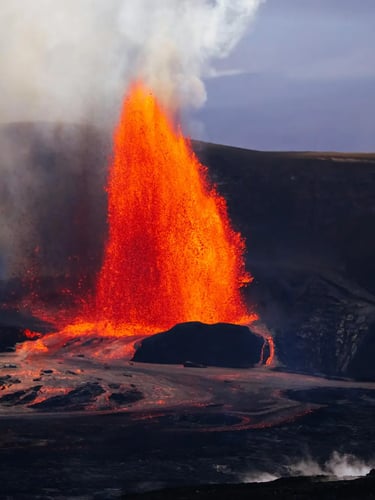
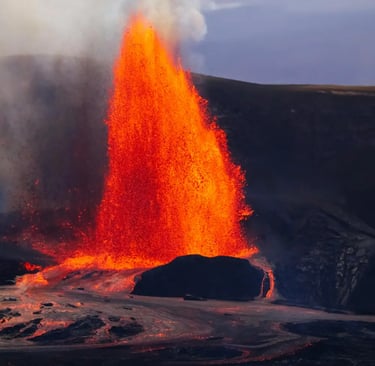
Poás has erupted more than 40 times in recorded history, the most recent activity occurring in the past decade. Visitors are often treated to gentle fumaroles — smoke plumes rising dramatically into the air — reminders that this volcano is very much alive. The park’s vigilant safety measures and controlled viewing schedules ensure that you can experience its magnificence responsibly.
The landscape around Poás is shaped by centuries of eruptions, lava flows, and rejuvenation. The result is an extraordinary mosaic of cloud forests, wildlife habitats, and crater lakes — each whispering the ancient story of a planet forever in motion.
The Beauty of Poás Volcano National Park
What makes Poás Volcano National Park magical isn’t just its monumental crater — it’s the world that thrives around it. Encompassing over 16,000 acres of protected land, the park hosts a remarkable range of ecosystems that change with altitude.
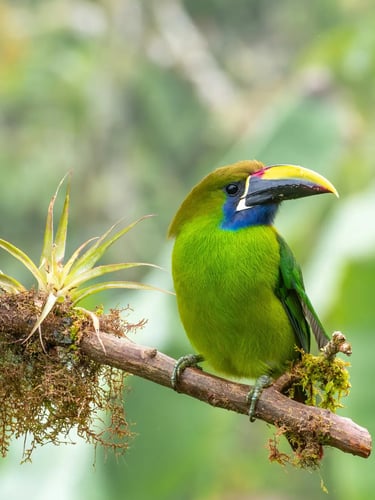
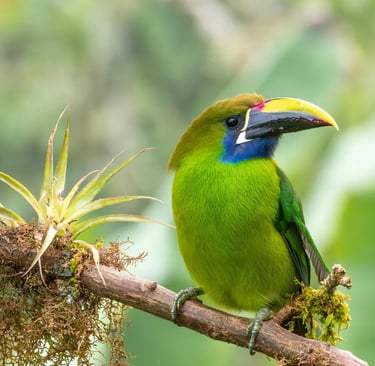
As you ascend, you’ll move through farmlands into lush premontane and cloud forests where orchids cling to branches, hummingbirds flash like green gems, and the air thickens with mist. The call of the resplendent quetzal occasionally echoes through the trees, while moss carpets everything in a living emerald glow.
The park’s higher regions often vanish into fog, giving the landscape a dreamlike atmosphere. On clear mornings, however, the views from the observation decks are breathtaking — the crater’s turquoise lake and fumaroles framed by sweeping forest vistas. On some days, you might even catch sight of the Caribbean and Pacific coasts shimmering faintly in the distant haze.
Beyond its natural grandeur, Poás serves as a vital educational site about Costa Rica’s volcanic origins and ongoing commitment to conservation. Visitors can learn about geothermal activity, forest regeneration, and the delicate balance between volcanic soil and life — evidence that nature’s destruction and renewal coexist in harmony.
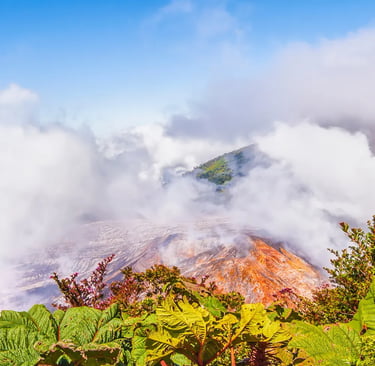
Pinterest Caption: “Gazing into Poás Volcano’s turquoise crater, where clouds drift over fire and earth.”
What to See and Do in Poás Volcano National Park
Your journey through Poás Volcano National Park is both thrilling and peaceful — a rare blend of raw nature and serenity. Here are some of the highlights you shouldn’t miss:
1. The Main Crater Lookout
This is the heart of every visit. After a short, paved trail (about 10 minutes), you’ll reach the crater viewpoint, where one of the world’s largest active volcanic craters yawns before you. The circular lagoon glows an eerie turquoise, surrounded by steaming vents and mineral-stained cliffs. It’s an unforgettable sight — one that lingers in your memory long after the mist rolls back in.
Tip: Visit early in the morning, typically between 8:00 and 10:00 a.m., for the best visibility before clouds gather.
2. Botos Lagoon
Just a short hike from the main crater lies Laguna Botos, a serene, dormant crater lake surrounded by dense cloud forest. The trail is rich with wildlife — keep eyes open for hummingbirds, resplendent quetzals, and colorful bromeliads. The cool air, birdsong, and lush greenery make this walk one of the park’s most peaceful experiences.
3. The Park’s Visitor Center and Exhibits
Stop at the visitor center for engaging educational displays about Poás’s volcanic activity, Costa Rica’s national parks, and the area’s history of eruptions. There’s also a café and souvenir shop where you can sip locally grown coffee while watching clouds roll across the treetops.
4. Hiking Trails and Viewpoints
In addition to the crater and lagoon trails, several paths weave through the park’s forested terrain. Each trail brings a different experience — from vibrant birdlife to curious small mammals like coatis. Short, well-marked walks make it easy for travelers of all levels to explore safely.
For those seeking more things to do in Costa Rica, Poás combines beautifully with nearby attractions such as La Paz Waterfall Gardens, the Doka Coffee Estate, or rural Bajos del Toro waterfalls, turning your trip into a full-day eco-adventure.
When and How to Visit Poás Volcano
Best Time to Visit Poás Volcano
The best time to visit Poás Volcano is during the dry season (December through April), when skies are generally clearer and the crater view is more likely to be unobstructed. However, visiting during the green season (May to November) has its own charm — lush foliage, fewer crowds, and dramatic clouds swirling over the crater.
Morning visits are always preferable. Later in the day, clouds often thicken, making visibility unpredictable.
Getting There
Poás Volcano National Park is approximately 50 kilometers (31 miles) from San José — an easy 1.5-hour drive through scenic countryside. You can rent a car, join Costa Rica volcano tours, or hire a local driver for convenience. From Alajuela, the road is well-maintained and climbs steadily into the cooler heights of the mountain.
Keep in mind that visitors must reserve their entrance tickets online through the SINAC system before arrival, as daily visitor numbers are limited for conservation and safety reasons.
Travel Tips for Visitors
Tickets & Hours: Poás Volcano National Park is typically open from 7:00 a.m. to 2:00 p.m., and advance online reservations are required. Arrive early to catch the clearest views.
Safety: Visitors are provided with helmets as part of active volcanic safety protocols. Always follow ranger instructions and stay on designated trails.
Weather: Bring a light jacket or raincoat — temperatures can drop quickly, and sudden showers are common.
Sustainability: Respect the park’s eco-guidelines — stay on paths, carry out your trash, and avoid disturbing wildlife.
Accessibility: The main crater viewpoint and facilities are wheelchair-accessible, making Poás one of the most visitor-friendly national parks in Costa Rica.
Conclusion: Feel the Pulse of the Earth at Poás
To stand before Poás Volcano National Park is to witness the living heartbeat of Costa Rica — a place where earth, air, and fire converge in breathtaking harmony. You feel the pulse beneath your feet, the cool mist on your skin, and a sense of awe that words barely capture.
Whether you’re chasing natural beauty or seeking soulful connection, this volcano invites you to slow down, breathe deeply, and marvel at the world’s raw magnificence. Combine your visit with nearby adventures — waterfalls, coffee estates, and lakes — and you’ll have a journey that embodies everything Costa Rica travel stands for: wonder, sustainability, and discovery.
So go — hike the trails, gaze into the turquoise crater, and let Poás remind you how extraordinary our planet truly is. In the silence of the mist, you’ll find something rare: not just a destination, but a renewed sense of wonder.
Connect
Join us for travel tips and destination insights.
© 2026. All rights reserved.
Affiliate disclaimer
This website contains affiliate links. If you purchase through these links, we may earn a commission at no extra cost to you.