
Mount Kilimanjaro: Ultimate Guide to Hiking Tanzania's Iconic Peak
Discover everything you need to know about climbing Mount Kilimanjaro. From routes and seasons to safety tips and cultural insights—your complete Africa adventure guide awaits.
Destination Discover
11/2/202511 min read
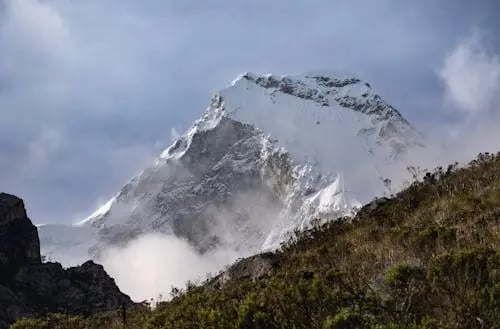
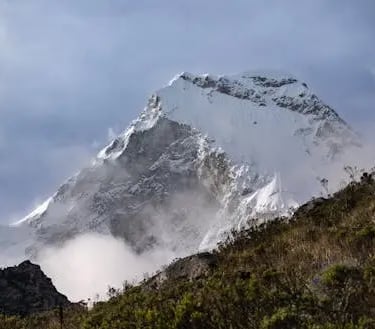
Standing majestically at 5,895 meters (19,341 feet) above sea level, Mount Kilimanjaro commands the African skyline as the continent's highest peak and one of the world's most coveted hiking destinations. This dormant volcano in Tanzania isn't just a mountain—it's a pilgrimage for adventurers, a bucket-list achievement, and a transformative journey that takes trekkers through five distinct ecological zones, from lush rainforests to arctic summit glaciers.
What makes Mount Kilimanjaro truly special is its accessibility. Unlike other peaks of comparable height, Kilimanjaro requires no technical climbing skills, making it an achievable dream for hikers with determination and proper preparation. Each year, approximately 35,000 adventurers attempt to reach Uhuru Peak, the mountain's highest point, drawn by the promise of standing on the "Roof of Africa."
This comprehensive guide will walk you through everything you need to know about hiking Tanzania's crown jewel—from choosing the right route and timing your expedition to understanding altitude challenges and embracing the rich cultural heritage surrounding this magnificent peak. Whether you're an experienced trekker or a first-time high-altitude hiker, Mount Kilimanjaro offers an Africa adventure unlike any other.
The Geography of Kilimanjaro: Understanding Africa's Highest Peak
Three Volcanic Cones and Five Climate Zones
Mount Kilimanjaro is actually a stratovolcano comprising three distinct volcanic cones: Kibo (the highest), Mawenzi, and Shira. While Kibo remains dormant with potential for future activity, Mawenzi and Shira are extinct. The mountain's volcanic origins date back over one million years, with the most recent major eruption occurring approximately 360,000 years ago.
What sets Kilimanjaro apart from other mountains is its remarkable journey through five distinct climate zones as you ascend:
Cultivation Zone (800-1,800m): Fertile farmlands where local communities grow coffee, bananas, and maize
Rainforest Zone (1,800-2,800m): Dense, misty forests teeming with colobus monkeys, blue monkeys, and exotic birds
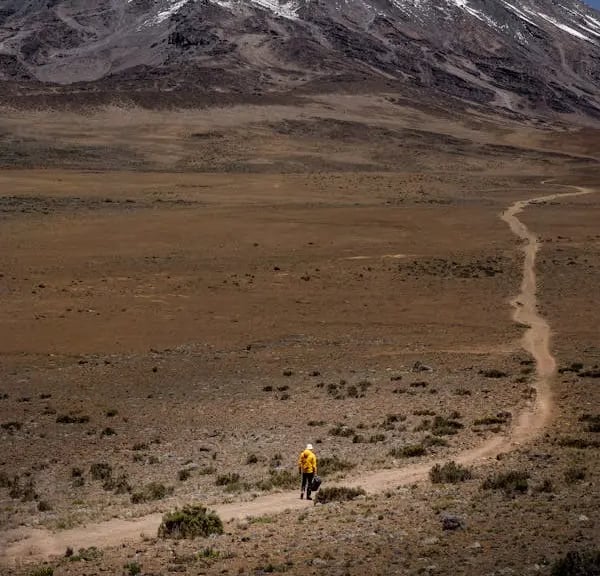
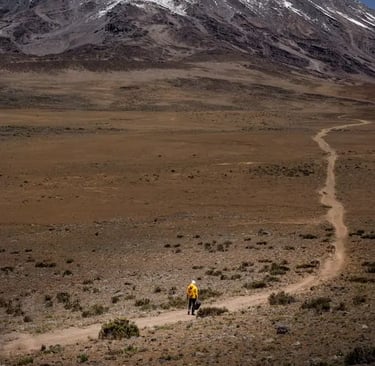
Heath and Moorland Zone (2,800-4,000m): Otherworldly landscapes dotted with giant heathers and lobelias
Alpine Desert Zone (4,000-5,000m): Harsh, barren terrain with extreme temperature fluctuations
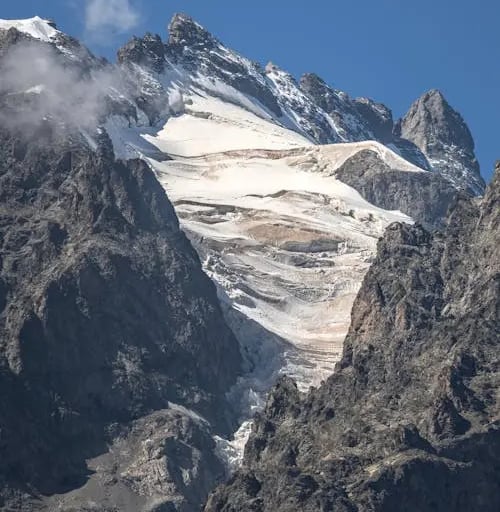
Arctic Summit Zone (5,000m+): Glacial ice fields and permanent snow despite being near the equator
Location and Accessibility
Mount Kilimanjaro is located in northeastern Tanzania, approximately 330 kilometers south of the equator, near the border with Kenya. The mountain sits within Kilimanjaro National Park, a UNESCO World Heritage Site that protects 1,668 square kilometers of pristine wilderness.
Most hikers begin their Kilimanjaro journey in the town of Moshi or Arusha, both easily accessible via Kilimanjaro International Airport. This convenient access makes hiking Tanzania's iconic peak logistically straightforward compared to other remote mountain destinations.
Kilimanjaro Routes: Choosing Your Path to the Summit
Mount Kilimanjaro offers seven official routes to the summit, each with unique characteristics, difficulty levels, and scenic rewards. Choosing the right route significantly impacts your success rate and overall experience.
Machame Route (Whiskey Route)
Duration: 6-7 days
Difficulty: Moderate to challenging
Success Rate: 85%
The Machame Route is the most popular path for good reason. It follows the "climb high, sleep low" principle, offering excellent acclimatization opportunities. The route showcases spectacular scenery, from rainforests to the dramatic Barranco Wall, and approaches the summit from the south.
Best for: First-time climbers seeking a balance between challenge and success rate
Marangu Route (Coca-Cola Route)
Duration: 5-6 days
Difficulty: Moderate
Success Rate: 65%
The only route offering dormitory-style hut accommodation, Marangu is often perceived as the "easiest" route. However, its shorter duration and gradual ascent actually result in lower success rates due to inadequate acclimatization time.
Best for: Those preferring hut accommodation over camping
Rongai Route
Duration: 6-7 days
Difficulty: Moderate
Success Rate: 80%
Approaching from the north near the Kenyan border, Rongai is the quietest route with lower foot traffic. It's considered the best option during rainy seasons as the northern slopes receive less precipitation.
Best for: Trekkers seeking solitude and drier conditions
Northern Circuit
Duration: 8-9 days
Difficulty: Moderate
Success Rate: 95%
The longest route circles around the northern slopes, offering unparalleled acclimatization and the highest success rates. While more expensive due to duration, the extended timeline and stunning 360-degree views make it worth considering.
Best for: Adventurers prioritizing success and comprehensive mountain experience
Pro Tip: Routes longer than six days significantly increase your summit success chances. The extra acclimatization time is worth the investment for this once-in-a-lifetime Africa adventure.
Best Time to Climb Mount Kilimanjaro: Seasonal Considerations
Peak Climbing Seasons
January to March (Dry Season)
This period offers the driest and warmest conditions, with clear skies perfect for photography and summit views. However, it's also the busiest season, particularly in February.
Average temperatures: -20°C to 10°C (summit to base)
Precipitation: Minimal
Trail conditions: Excellent
Crowds: High
June to October (Main Dry Season)
The most popular climbing window combines favorable weather with summer vacation schedules for international trekkers. September and October offer slightly fewer crowds than July and August.
Average temperatures: -25°C to 15°C
Precipitation: Very low
Trail conditions: Optimal
Crowds: Very high (July-August), moderate (September-October)
Shoulder and Rainy Seasons
April to May (Long Rains)
The wettest months see significantly fewer climbers, resulting in quieter trails and lower prices. However, slippery conditions, heavy cloud cover, and potential summit snow increase difficulty.
November to December (Short Rains)
Brief afternoon showers are common, but mornings often remain clear. This period offers a compromise between weather reliability and crowd levels.
Pro Tip: If you're flexible with timing, late January through early March offers an ideal combination of good weather, acclimatization conditions, and manageable crowd levels for hiking Tanzania's premier peak.
Preparation and Training: Getting Ready for Your Kilimanjaro Trek
Physical Conditioning (3-6 Months Before)
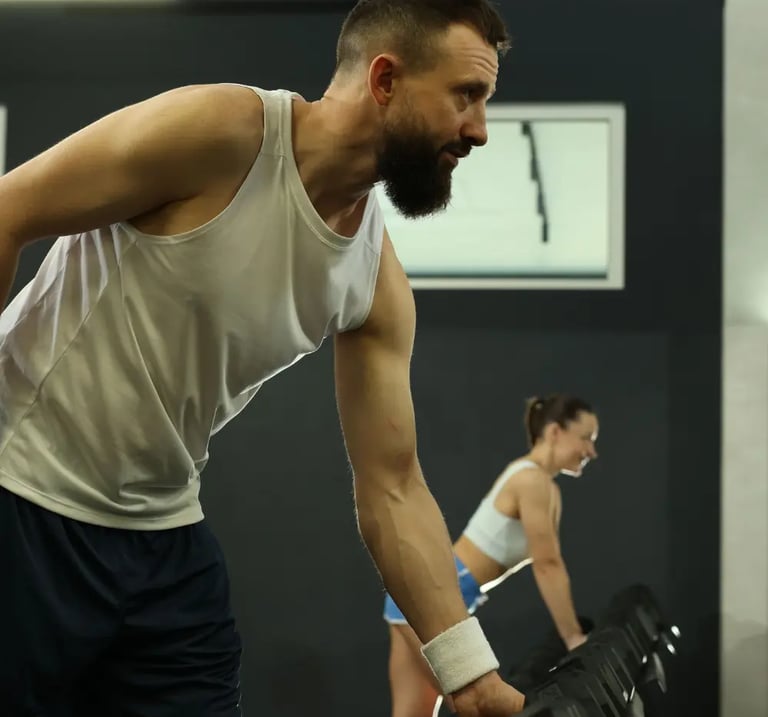
While Mount Kilimanjaro doesn't require technical climbing skills, it demands excellent cardiovascular fitness and mental resilience. Your body will be working at altitude with reduced oxygen levels, making every step more challenging than low-elevation hiking.
Essential Training Activities:
Cardiovascular endurance: Running, cycling, swimming 4-5 times weekly (45-60 minutes per session)
Hiking practice: Weekend hikes with weighted backpacks (5-7 kg), gradually increasing elevation gain
Stair climbing: Building leg strength and endurance for sustained uphill walking
Core strengthening: Planks, yoga, and balance exercises to support your body during long trekking days
Training Schedule Recommendation:
Months 4-6 before: Build aerobic base with consistent cardio
Months 2-3 before: Add weighted hiking and increase intensity
Month 1 before: Maintain fitness while allowing adequate rest; avoid overtraining
Mental Preparation
Summit day on Kilimanjaro tests mental fortitude as much as physical fitness. The combination of altitude, cold, darkness (summit attempts begin around midnight), and exhaustion requires psychological preparation.
Mental conditioning strategies:
Practice positive visualization of reaching the summit
Develop mantras or motivational phrases for difficult moments
Understand that discomfort is temporary and expected
Research other climbers' experiences to set realistic expectations
Essential Gear Checklist
Clothing Layers (Critical):
Moisture-wicking base layers (thermal top and bottom)
Insulating mid-layers (fleece or down jacket)
Waterproof and windproof outer shell
Insulated summit jacket rated for -20°C or lower
Trekking pants (convertible recommended)
Waterproof rain gear
Footwear:
Broken-in hiking boots with ankle support and waterproofing
Gaiters to keep scree and snow out
Warm, moisture-wicking hiking socks (bring 3-4 pairs)
Camp shoes or sandals for evenings
Accessories:
Warm hat and sun hat
Balaclava or neck gaiter
Insulated gloves and liner gloves
Quality sunglasses (Category 3 or 4 UV protection)
Headlamp with extra batteries
Trekking poles (highly recommended for descent)
70-80L duffel bag for porters to carry
20-30L daypack for personal items
Pro Tip: Invest in quality gear for the "big three"—boots, sleeping bag (rated to -15°C minimum), and rain gear. These items dramatically affect your comfort and success on the mountain. Many items can be rented in Moshi or Arusha if you're traveling light.
Altitude and Safety: Understanding the Biggest Challenge
Acute Mountain Sickness (AMS) Awareness
Altitude sickness is the primary reason climbers fail to summit Mount Kilimanjaro. As you ascend, atmospheric pressure decreases, meaning less oxygen is available with each breath. Your body needs time to adapt through acclimatization.
Common AMS Symptoms:
Headache (often the first sign)
Nausea and loss of appetite
Dizziness and lightheadedness
Fatigue and weakness
Difficulty sleeping
Shortness of breath during exertion
Severe Symptoms Requiring Immediate Descent:
Confusion or altered mental state
Difficulty walking or loss of coordination
Severe, persistent headache unresponsive to medication
Fluid in lungs (crackling sounds, persistent cough)
Acclimatization Strategies
"Pole Pole" (Slowly, Slowly): This Swahili phrase becomes your mantra on Kilimanjaro. Moving slowly allows your body to adjust gradually, conserving energy and reducing altitude stress.
Key acclimatization principles:
Choose longer routes (7+ days) for better adaptation
Stay hydrated (3-4 liters of water daily)
Climb high, sleep low whenever possible
Listen to your body and communicate symptoms to guides
Avoid alcohol and sleeping medications
Consider altitude medication (Diamox) in consultation with your doctor
Safety Measures and Guide Requirements
Tanzania National Parks Authority (TANAPA) requires all Kilimanjaro climbers to hire licensed guides. This regulation ensures safety, supports local employment, and maintains mountain standards.
Your guide team typically includes:
Lead guide (certified and experienced)
Assistant guides (for larger groups)
Porters (carrying equipment and supplies)
Cook (preparing nutritious meals)
Professional guides monitor your health through twice-daily oxygen saturation and heart rate checks using pulse oximeters, assess AMS symptoms, and make informed decisions about your safety.
Pro Tip: Don't underestimate altitude effects. Even Olympic athletes and experienced mountaineers can suffer from altitude sickness. Age, fitness level, and previous mountain experience don't predict how your body will respond at high elevation.
Cultural Insights: The People and Heritage of Kilimanjaro
The Chagga People
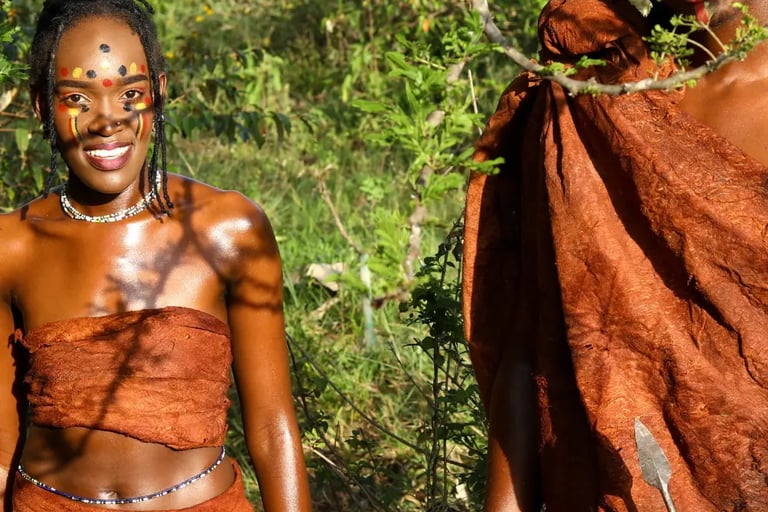
The slopes of Mount Kilimanjaro have been home to the Chagga people for centuries. This Bantu-speaking ethnic group developed sophisticated irrigation systems called "mfongo" that transformed the volcanic soil into productive farmland supporting banana cultivation, coffee growing, and dairy farming.
Cultural significance of Kilimanjaro:
The mountain holds deep spiritual meaning for local communities, traditionally viewed as a sacred dwelling place of spirits and gods. Before European exploration, local legends spoke of a silver mountain crowned with white stones (the glaciers) that few dared to approach.
Supporting Local Communities
Climbing Mount Kilimanjaro directly benefits Tanzania's economy and local communities. Your climbing fees, guide services, porter wages, and associated tourism spending support thousands of families.
Ethical considerations for hikers:
Ensure your tour operator follows fair wage practices for porters
Look for companies partnered with organizations like the Kilimanjaro Porters Assistance Project (KPAP)
Porters should receive proper gear, adequate food, and fair compensation
Consider tipping guidelines: typically $200-300 USD per group for guides, $100-150 for cooks, and $50-75 per porter
Engage respectfully with local communities during your trip
Pre and Post-Trek Cultural Experiences
Enhance your Africa adventure by exploring Tanzania's rich cultural heritage:
Visit coffee plantations on Kilimanjaro's slopes
Tour local villages to learn about Chagga traditions
Explore Moshi or Arusha markets
Combine your trek with Tanzania's world-famous safari parks (Serengeti, Ngorongoro Crater)
Visit local schools or community projects (many trekking companies offer cultural extensions)
Eco-Tourism and Environmental Responsibility
Conservation Challenges
Mount Kilimanjaro faces significant environmental pressures. The mountain's glaciers have shrunk by more than 85% since 1912 due to climate change, with scientists predicting complete disappearance within decades. This loss affects water sources for surrounding communities and alters the mountain's ecosystem.
Additional environmental concerns:
Trail erosion from 35,000+ annual climbers
Waste management challenges
Deforestation in surrounding areas
Disruption to wildlife habitats
Responsible Trekking Practices
As a visitor to this UNESCO World Heritage Site, you play a crucial role in preserving Mount Kilimanjaro for future generations.
Leave No Trace principles for hiking Tanzania:
Carry out all trash, including toilet paper and hygiene products
Use designated toilet facilities or portable systems
Stay on established trails to prevent erosion
Respect wildlife—observe from distance, never feed animals
Minimize campfire impact (most routes prohibit fires)
Choose eco-conscious tour operators with environmental policies
Supporting conservation:
Your park fees directly fund conservation and community programs
Choose operators committed to environmental sustainability
Consider carbon offset programs for your international flights
Support organizations working on Kilimanjaro conservation projects
Sustainable Tourism Impact
Well-managed eco-tourism creates positive outcomes for Mount Kilimanjaro:
Funding for national park protection and ranger programs
Economic incentives for conservation over exploitation
Environmental education for local communities
Employment alternatives to environmentally harmful industries
International awareness of conservation needs
Pro Tip: Pack a small trash bag for personal waste throughout your trek. Everything that goes up the mountain should come down. Some trekkers even participate in mountain cleanup initiatives, carrying down abandoned waste from previous climbers.
FAQ: Your Mount Kilimanjaro Questions Answered
Q1: Do I need previous climbing experience to summit Mount Kilimanjaro?
No technical climbing skills are required. Mount Kilimanjaro is a non-technical trek, meaning you won't need ropes, harnesses, or specialized climbing equipment. However, good physical fitness, hiking experience, and mental determination are essential for success.
Q2: What is the success rate for reaching Uhuru Peak?
Overall success rates average 65-70%, but this varies significantly by route. Shorter routes (5-6 days) have success rates around 60-65%, while longer routes (7-9 days) achieve 85-95% due to better acclimatization. The biggest factor in success is choosing adequate duration for your body to adjust to altitude.
Q3: How much does it cost to climb Mount Kilimanjaro?
Budget climbs start around $1,500-2,000 USD, mid-range treks cost $2,500-3,500, and premium operators charge $4,000-6,000+. Prices vary based on route duration, group size, service quality, and operator standards. Remember that cheap operators often cut corners on porter welfare and safety standards.
Q4: Can I climb Kilimanjaro solo?
Tanzania regulations require all climbers to be accompanied by licensed guides, so truly independent climbing isn't permitted. However, you can book as a solo traveler and either join a group or arrange a private trek with just yourself and the guide team.
Q5: What vaccinations do I need for hiking Tanzania?
Yellow fever vaccination is required if arriving from endemic countries. Recommended vaccinations include typhoid, hepatitis A and B, tetanus, and polio. Malaria prophylaxis is advisable for pre and post-trek time in lower elevations, though malaria isn't a risk on the mountain itself. Consult a travel medicine specialist 6-8 weeks before departure.
Q6: How cold does it get on Mount Kilimanjaro?
Temperatures vary dramatically by altitude and time of day. Base camps range from 10-20°C (50-68°F), while summit temperatures drop to -20 to -25°C (-4 to -13°F), with wind chill making it feel even colder. Proper layering and cold-weather gear rated for extreme temperatures are essential.
Q7: Can children climb Mount Kilimanjaro?
The minimum age for climbing Kilimanjaro is 10 years old, set by Tanzania National Parks Authority. However, children face higher altitude sickness risks, and the physical and mental demands are substantial. Most operators recommend ages 13-16+ for better safety margins and enjoyment.
Q8: What happens if I need to descend due to altitude sickness?
Your guide will make the call based on your symptoms and safety. Descent is the only cure for serious altitude sickness. If evacuation is necessary, you'll be accompanied by a guide while other team members can continue. Helicopter evacuation is possible in emergencies but expensive—comprehensive travel insurance with high-altitude coverage (up to 6,000m) is essential.
Conclusion: Your Kilimanjaro Adventure Awaits
Mount Kilimanjaro represents more than just Africa's highest peak—it's a journey of personal transformation, a window into Tanzania's rich cultural heritage, and a profound connection with one of Earth's most spectacular natural wonders. From the moment you take your first steps through misty rainforests to the indescribable emotion of watching sunrise from Uhuru Peak, climbing Kilimanjaro creates memories that last a lifetime.
The key to a successful and enjoyable Kilimanjaro experience lies in thorough preparation, choosing the right route and season, respecting the mountain's altitude challenges, and embracing responsible eco-tourism practices. With proper planning, physical conditioning, and the right mindset, standing on the Roof of Africa is an achievable dream for determined hikers of all backgrounds.
Whether you're drawn by the physical challenge, the breathtaking scenery, the cultural immersion, or the simple desire to test your limits, Mount Kilimanjaro delivers an Africa adventure beyond expectations. As you plan your trek, remember that every successful summit begins with a single step—and that step starts with making the commitment to this extraordinary journey.
The mountain is calling. Will you answer?
Ready to start planning your Mount Kilimanjaro adventure? Research reputable tour operators, begin your training regimen, and prepare for the trek of a lifetime. Kilimanjaro awaits!
Connect
Join us for travel tips and destination insights.
© 2026. All rights reserved.
Affiliate disclaimer
This website contains affiliate links. If you purchase through these links, we may earn a commission at no extra cost to you.