
The Most Instagrammable Day Trip from Tokyo: Chasing Mt. Fuji and Hidden Waterfalls
Cinematic day trip from Tokyo: long-exposure Shiraito Falls, Hakone’s floating torii, and secret Mt. Fuji frames Muslim-friendly private tour.
DAY TRIPS
DestinationDiscover
1/22/20267 min read
Affiliate Disclosure
This article contains affiliate links. If you purchase through these links, I may earn a small commission at no extra cost to you. I only recommend products I genuinely believe offer strong performance, quality, and value for your ski and travel experience.
Tokyo is electric neon reflections on rainy sidewalks, konbini coffee in hand, a thousand tiny errands happening at once. But if you’re craving the other side of Japan the quiet, cinematic, mossy-green kind you save on Pinterest at 2 a.m. there’s a day trip route that feels like stepping into a Studio Ghibli pause-screen.
Think: soft waterfalls like silk thread, a torii gate floating on still water, and Mt. Fuji appearing like a myth in the distance when the sky decides you’ve earned it.
This is slow travel, curated. A day built for moody edits, long-exposure shots, and that rare luxury: space.
The Vibe: From Tokyo Chaos to Zen Nature (No Crowds, Just Atmosphere)
Tokyo is a masterpiece of movement. This day trip is the opposite: fewer words, more wind. You trade train announcements for forest hush. You swap Shibuya’s rush for lakeside stillness. It’s not about ticking boxes—it’s about moments.
And honestly? The secret ingredient here is flexibility. This route shines brightest when you’re not locked into a rigid timetable or bus-tour bottlenecks. That’s why a private driver makes the whole thing feel… effortless. Like you’re not “touring,” you’re drifting through scenery.
Stop 1: Shiraito Falls The “Ethereal Silk Waterfall” (Ghibli Vibes Included)
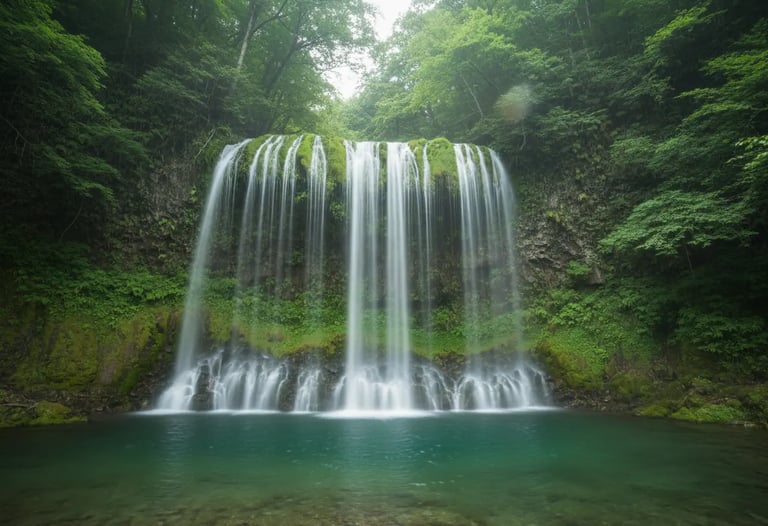
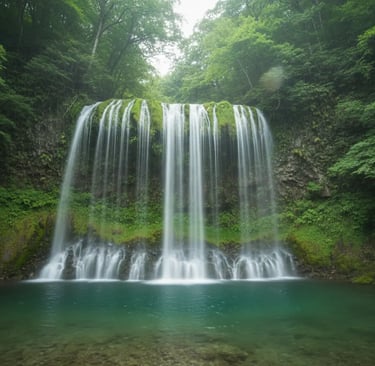
Shiraito Falls doesn’t crash and roar like a dramatic waterfall. It whispers. Picture hundreds of thin streams spilling over a curved rock face like silver hair soft, symmetrical, unreal.
It’s the kind of place where your photos come out looking edited even when they’re not.
Why it’s the dream for Shiraito Falls photography:
Long exposure heaven: Bring an ND filter if you have one, or use your phone’s long exposure / Live Photo trick. The water turns into a veil literal silk.
Natural framing: Mossy stones, misty air, and little patches of green that look like they were arranged by an art director.
Ghibli mood: Quiet, woodland, slightly enchanted. If a forest spirit walked past you, you wouldn’t even question it.
The exclusivity factor:
This is one of those places that’s harder to reach without a car. Which, yes, makes it feel slightly more “hidden” and untouched especially if you time it right and avoid peak midday.
Photo tips (quick + practical):
Go for wide shots to capture the full curtain effect.
Then switch to details: water threads, moss textures, droplets on leaves.
If you’re shooting portraits: stand near the edge (carefully) for that misty, cinematic backlight.
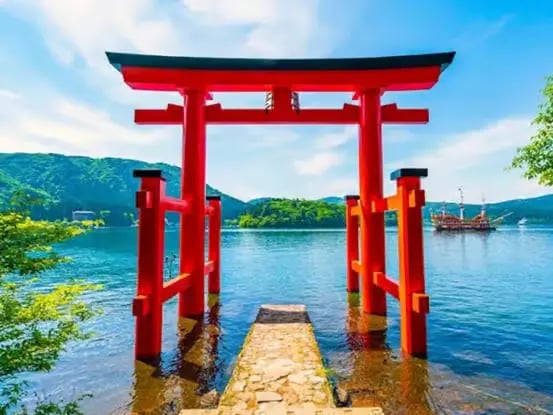
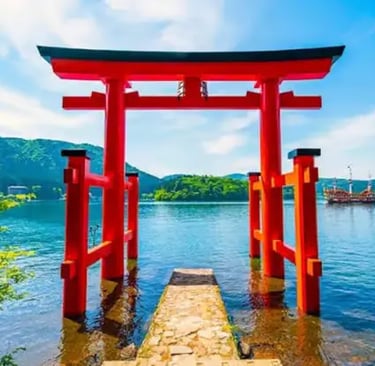
Stop 2: The Hakone Torii Gate How to Get The Floating Gate Shot
If you’ve ever saved a photo of a red torii gate hovering over water with Mt. Fuji energy in the background… this is that moment. The Hakone torii gate photo spot is iconic for a reason.
But it’s also famously… popular.
Here’s how to make it feel like it’s just you and the lake:
Timing is everything (and your best friend is an early alarm)
Early morning: softer light, fewer people, calmer water.
Golden hour: warm highlights on the torii, richer reds, cinematic contrast.
A private driver can actually make this realistic because you’re not stuck arriving when every bus tour arrives. The goal is to slip in at strategic times when the crowds are still “loading in.”
Composition tips for the floating gate look
Shoot slightly lower to emphasize the “floating” effect.
Use the lake’s surface as negative space let it breathe.
If people are unavoidable, frame tighter or wait for gaps (they happen in waves).
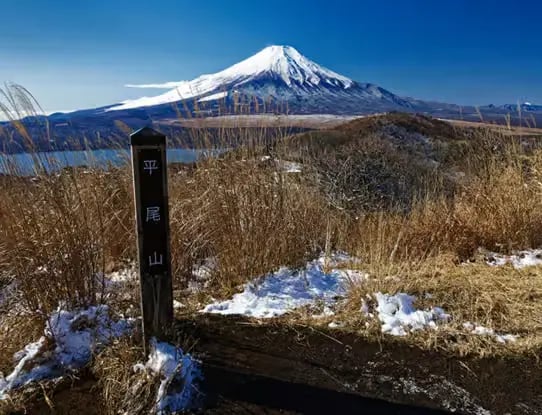
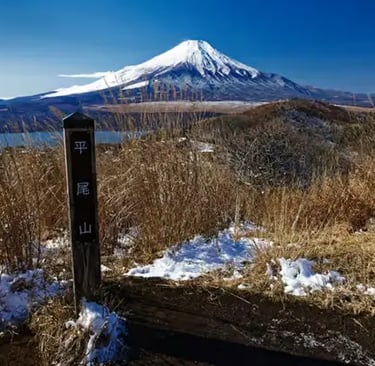
Stop 3: Mt. Fuji Views & Aesthetic Places (And Why Season Matters)
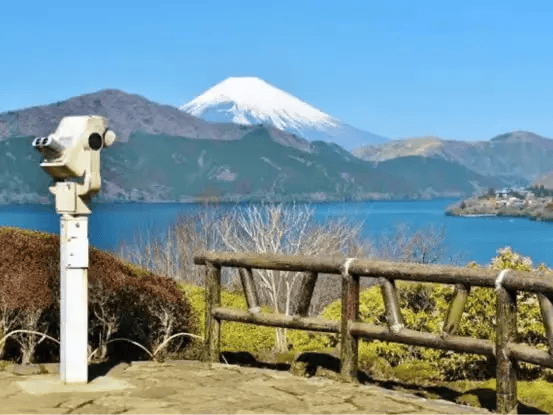
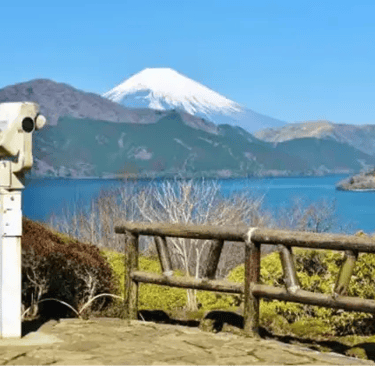
Mt. Fuji is the ultimate main character, but she’s also famously shy. Some days she shows up crystal-clear like a postcard. Other days? She’s behind a curtain of cloud like, “Not today.”
Seasonality: when you’re most likely to see her
Winter (especially Dec–Feb): best visibility, crisp air, clearer skies.
Spring: possible, but haze and weather changes can be unpredictable.
Summer: often the hardest more clouds/humidity (still beautiful, just less guaranteed).
Autumn: strong contender clearer days + moody foliage tones.
This is where having a local expert driver changes everything. Instead of going to the same overcrowded lookout everyone else goes to, they can take you to secret framing spots angles where Fuji appears between trees, over rooftops, or reflected in water without the tourist hordes stacked behind you.
Think of it like this: Fuji isn’t just something you “see.” It’s something you compose.
Mt Fuji aesthetic places = the right vantage point + the right light.
A driver who knows the area can pivot based on visibility, weather, and timing so you’re not wasting half the day hoping the clouds cooperate.
Inclusive Luxury: The Quiet Flex of a Muslim-Friendly Private Tour from Tokyo
Here’s something travel guides don’t always say out loud: the most luxurious thing isn’t the car. It’s the ease.
A Muslim friendly private tour Tokyo style day trip quietly solves problems that group tours can’t.
Because with a private driver, you can:
Route to halal-friendly restaurants for lunch without stress or awkward compromises.
Take a breather in a quiet spot for prayer, without feeling rushed or exposed.
Adjust timing so your day still feels calm, not crammed.
It’s not a big announcement just thoughtful flexibility that lets you travel beautifully and comfortably.




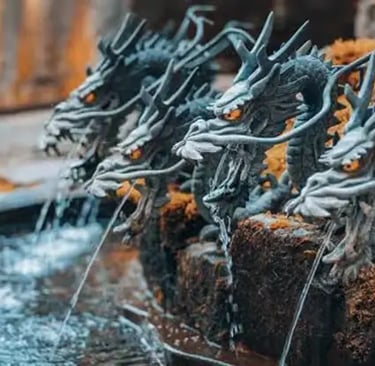
Why We Stop at the Dragon Fountain
Hidden within the ancient cedars of Hakone Shrine flows the mystical Ryujin-sui, or Dragon God Water. Legend holds that this sacred water, pouring from nine dragon heads, washes away impurities and blesses visitors with prosperity in business and love. During our private tour, we make a special stop here so you can experience this centuries-old ritual. Speaking from personal experience, I drank this water, and it truly brought me a wave of good luck! Don’t miss this unique chance to taste the fresh mountain water and perhaps change your destiny with just one sip.

Aesthetic Travel Notes: What to Bring for the Cinematic Shot
If you’re building a Japan bucket list around visuals (same), pack light but intentional:
Neutral-toned outfit layers (cream, black, olive, gray) to match the landscape palette.
A small tripod for long exposure at Shiraito Falls.
ND filter if you’re using a camera (optional but magical).
A lens cloth mist happens.
Snacks + water so you’re not forced into crowded stops.
The Takeaway: A Day That Feels Like a Film Still
This day trip isn’t about sprinting from landmark to landmark. It’s about curated quiet: water moving like silk, torii gates hovering over glassy lakes, and Mt. Fuji if you’re lucky watching from the distance like a guardian.
Tokyo will still be there tonight, glowing and loud and perfect.
But today? Today is for the soft stuff.
FAQ
1) What time should we leave Tokyo to avoid crowds?
For the calmest, most cinematic vibe, leave very early (around 6:00–7:00 a.m.). It helps you hit the Hakone torii gate photo spot before tour buses and catch softer morning light.
2) How do I get the “floating torii” photo in Hakone without a long wait?
Go early morning or golden hour and shoot from a slightly lower angle to emphasize the “floating” effect. A private driver helps because you can arrive between peak arrival windows and avoid the biggest lines.
3) Is Shiraito Falls hard to reach without a car?
Yes getting there can be time-consuming with public transport, which is why it feels more exclusive. With a car/private driver, Shiraito Falls photography becomes much easier (and you can stay longer for long exposures).
4) What camera settings or gear work best for Shiraito Falls long-exposure shots?
Tripod (even a small one)
ND filter (optional, but makes the “silk” effect easier in daylight)
Aim for 1/4s to 2s shutter as a starting point (adjust based on light)
Phone tip: use Live Photo → Long Exposure (iPhone) or a long-exposure app/mode on Android.
5) When is Mt. Fuji most visible?
Visibility is best in winter (Dec–Feb) thanks to clearer air. Autumn is also a strong choice. Summer tends to be hazier/cloudier, so Fuji can be more shy.
6) Where are the best Mt Fuji aesthetic places for photos?
The best spots change daily based on clouds and light. A local expert driver can pivot to lesser-known viewpoints and quiet framing locations (instead of the most crowded lookouts).
7) Is this a Muslim friendly private tour from Tokyo?
Yes this style of trip is ideal if you want flexibility. Unlike rigid bus tours, a private driver can:
Route to halal-friendly restaurants
Build in time for prayer in quiet, comfortable spots
It’s inclusive luxury: calm, respectful, and stress-free.
8) Can I do this day trip in bad weather?
You can, but the photo payoff changes. Waterfalls still look dreamy in moody weather, while Mt. Fuji visibility may drop. If you have a flexible schedule, consider moving the trip to the clearest forecast day.
Connect
Join us for travel tips and destination insights.
© 2026. All rights reserved.
Affiliate disclaimer
This website contains affiliate links. If you purchase through these links, we may earn a commission at no extra cost to you.