
Italy’s 12 Best Ski Resorts (2022–2025)
From the Dolomites’ UNESCO peaks to Aosta Valley’s glacial slopes, Italy’s top ski resorts blend adrenaline-pumping terrain with luxury après-ski. Discover why skiers keep returning to these alpine paradises.
DestinationDiscover
11/30/20256 min read
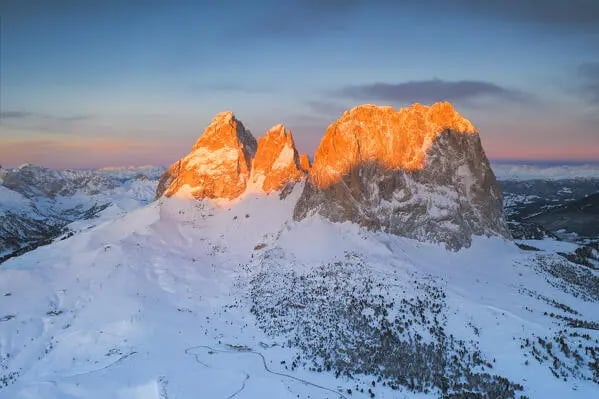
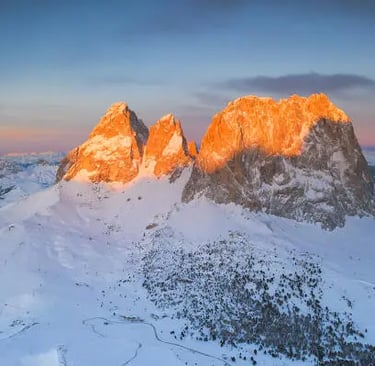
Imagine carving through powdery slopes framed by jagged limestone spires, sipping velvety Barolo by a roaring fire, and waking up to villages that look like snow globes. For American travelers craving more than just skiing—a fusion of adventure, culture, and indulgence—Italy’s Alps have become Europe’s most captivating winter escape. Pinterest boards explode with images of chic mountain lodges, sunset gondola rides, and après-ski scenes that redefine winter glamour. From the Dolomites’ fairytale villages to Cervinia’s Matterhorn views, here are the 12 Italian ski resorts that stole American hearts (and saved their Pinterest feeds) from 2022 to 2025.
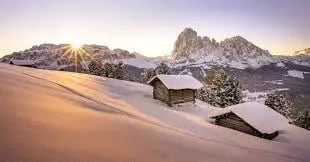
1. Val Gardena: The Dolomites’ Crown Jewel
A UNESCO World Heritage Site with 175km of slopes, Val Gardena is a dream for families and advanced skiers. The iconic Sella Ronda—a 26km circular route around the Sella Massif—offers 360-degree views of pink-hued peaks. Beginners glide down the Seceda plateau, while experts tackle the Saslong World Cup piste. After dark, Michelin-starred dining at La Stüa de Michil and live music at Skihut Bamby seal the deal.
Best For: Families, intermediate/advanced skiers, luxury seekers.
When to Go: December–March; January–February for World Cup races.
2. Cortina d’Ampezzo: The “Queen of the Dolomites”
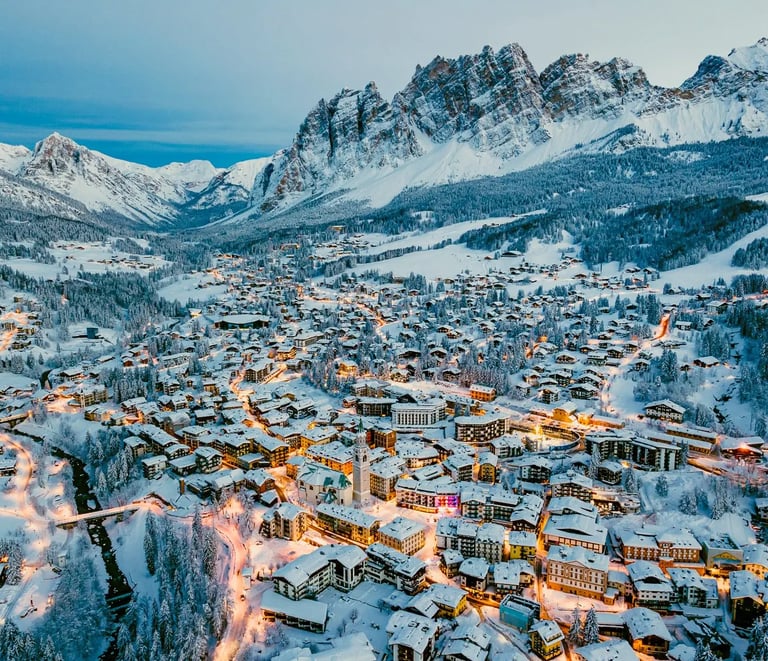
Hollywood’s favorite (think The Pink Panther), Cortina oozes “Dolce Vita” elegance with its pastel buildings and designer boutiques. The 120km of slopes include Olympic-standard runs, while the Freccia nel Cielo cable car whisks skiers to 3,269m for sapphire-sky views. Après-ski here means Bellini cocktails at Hotel Cristallo and jazz nights at Ristorante Tivoli.
Best For: Luxury travelers, advanced skiers, couples.
When to Go: Mid-December–March; February for Fashion Week.
3. Alta Badia: A Foodie’s Paradise
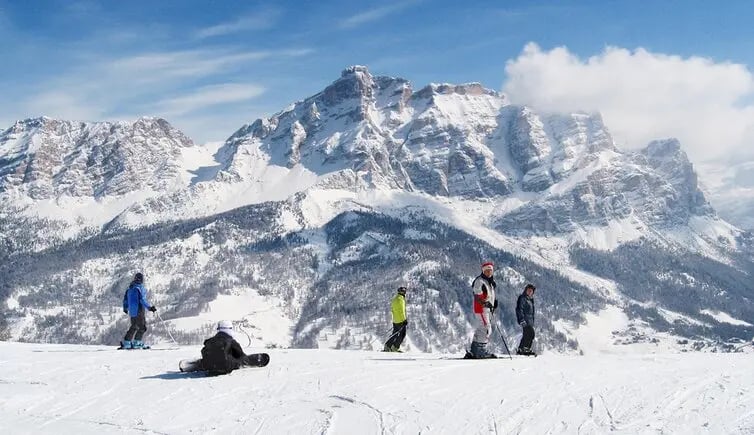
Culinary excellence meets manageable slopes in this sunny corner of the Dolomites. The 130km of terrain includes the Gran Risa World Cup piste, but the real draw is gourmet mountain huts like Rifugio Lagazuoi, serving truffle pasta at 2,500m. Families love the Sella Ronda loop and cozy chalets at Rosewood Castiglion del Bosco.
Best For: Foodies, families, intermediate skiers.
When to Go: January–March; December for Christmas markets.
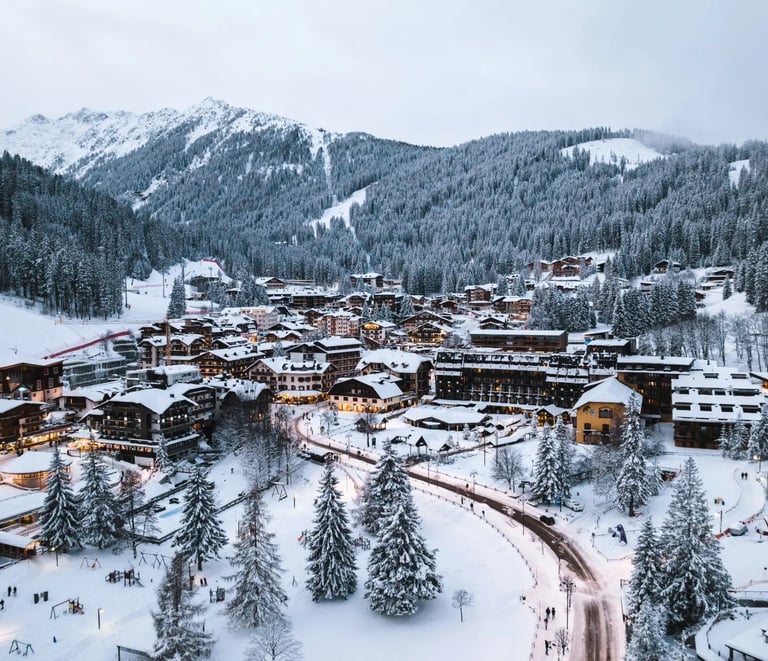
4. Madonna di Campiglio: The Italian St. Moritz
Dubbed the “Pearl of the Brenta Dolomites,” this chic resort combines St. Moritz-esque glamour with vibrant nightlife. The 150km of slopes include the 3-Tre World Cup piste, while après-ski means dancing at Dance Club Alte Sude or sipping cocktails at Chalet Fiat. A 3-hour drive from Milan, it’s perfect for weekend warriors.
Best For: Luxury travelers, advanced skiers, nightlife lovers.
When to Go: December–April; February for World Cup events.
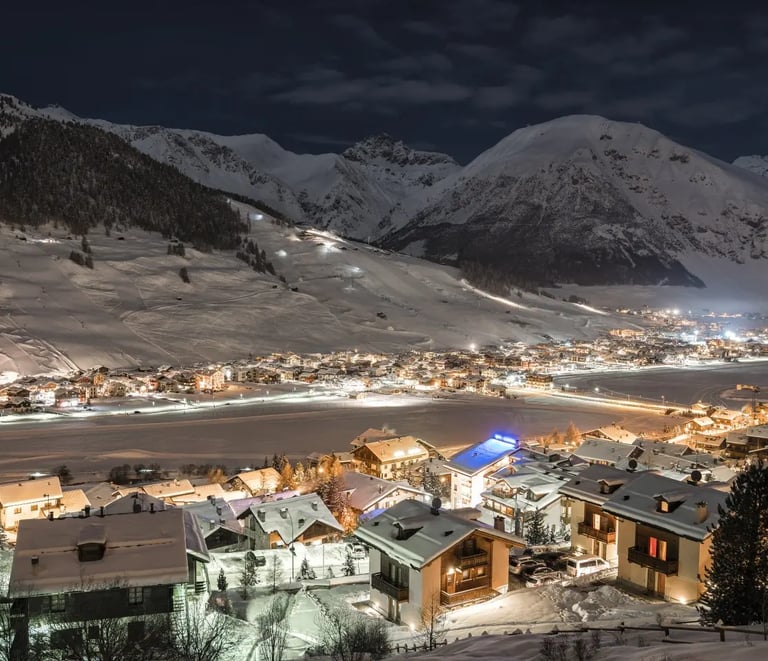
5. Livigno: Tax-Free Thrills
Nicknamed “Little Tibet” for its high-altitude vibes, Livigno offers tax-free shopping and 115km of slopes for all levels. Freestylers hit the Mottolino Park, while families explore the Duca degli Abruzzi area. Après-ski includes craft beers at Bivio Bar and soaking in Bagni Vecchi Spa’s thermal pools.
Best For: Budget-conscious travelers, freestylers, families.
When to Go: January–March; December for Christmas markets.
6. Cervinia: Ski the Matterhorn (Italian Side)
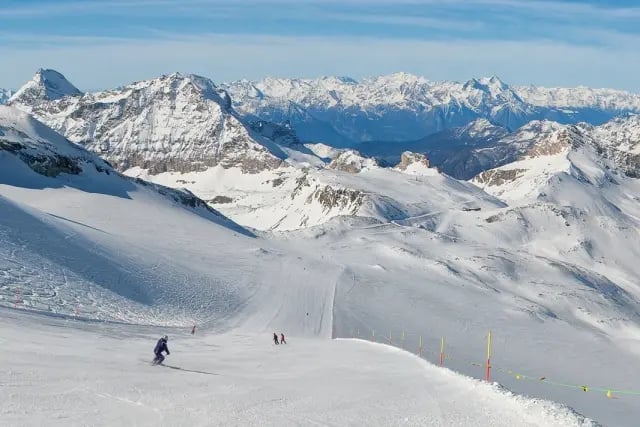
Share the Matterhorn with Zermatt—but skip Swiss prices. Cervinia’s 350km of slopes (including Switzerland) guarantee snow from November to May. Beginners love Plan Maison, while experts conquer the 10km Ventina run. Après-ski means fondue at Bistrot des Sports with Matterhorn views.
Best For: Advanced skiers, luxury travelers, glacier enthusiasts.
When to Go: November–May; February–March for optimal conditions.
7. Bormio: Thermal Spas & Olympic Legacy
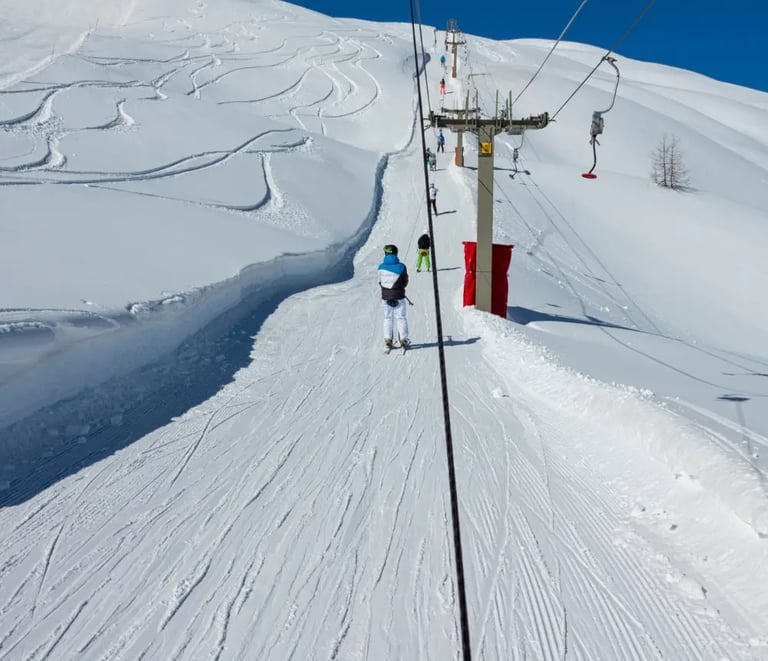
Bormio’s medieval charm meets Olympic-caliber slopes (including the Stelvio piste). After a day on the mountain, unwind at Bormio Terme’s thermal pools or dine on hearty Alpine cuisine at Ristorante Stabelius. The resort’s affordability and spa culture make it a hit with families.
Best For: Families, wellness travelers, advanced skiers.
When to Go: December–April; February for World Cup races.
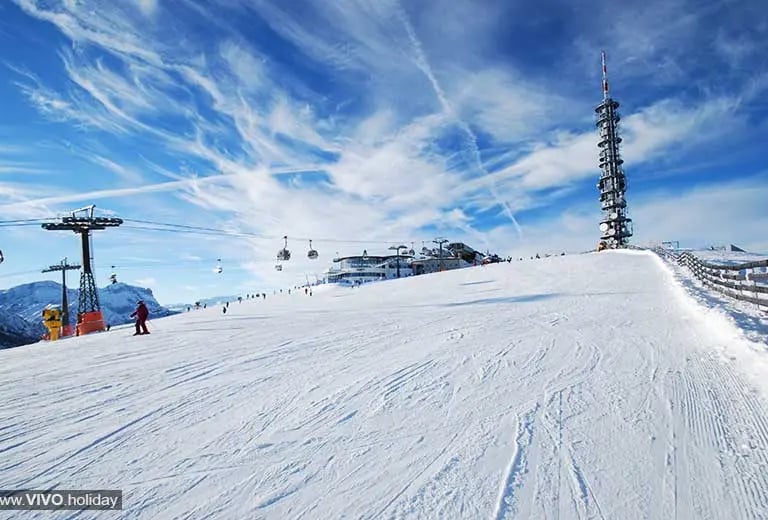
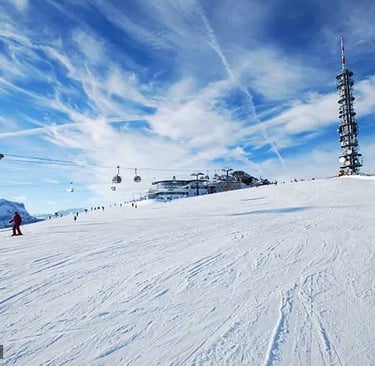
8. Kronplatz: The Dolomites’ Modern Marvel
Futuristic architecture meets family-friendly slopes at Kronplatz. The 119km of terrain includes the Sylvester run for experts and easy access to the Sella Ronda. Après-ski means infinity pools at Faloria Spa Resort and craft beers at Hütte 61.
Best For: Families, intermediate skiers, design enthusiasts.
When to Go: December–March; January for Art & Ski events.
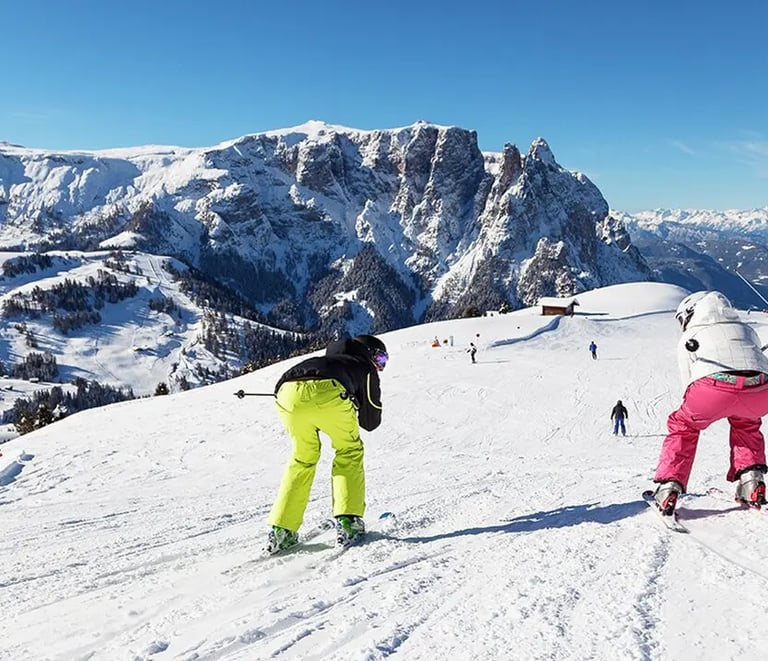
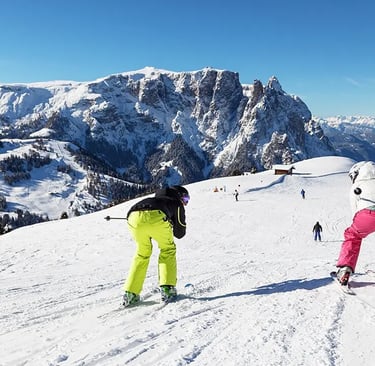
9. Alpe di Siusi: Europe’s Largest Alpine Plateau
This car-free paradise offers 60km of slopes amid frozen lakes and meadows. Stay in private chalets at Adler Mountain Lodge or sip mulled wine at St. Hubertus Hut. The Sella Ronda loop is a short cable car ride away.
Best For: Families, nature lovers, photographers.
When to Go: December–March; January for snowshoeing.
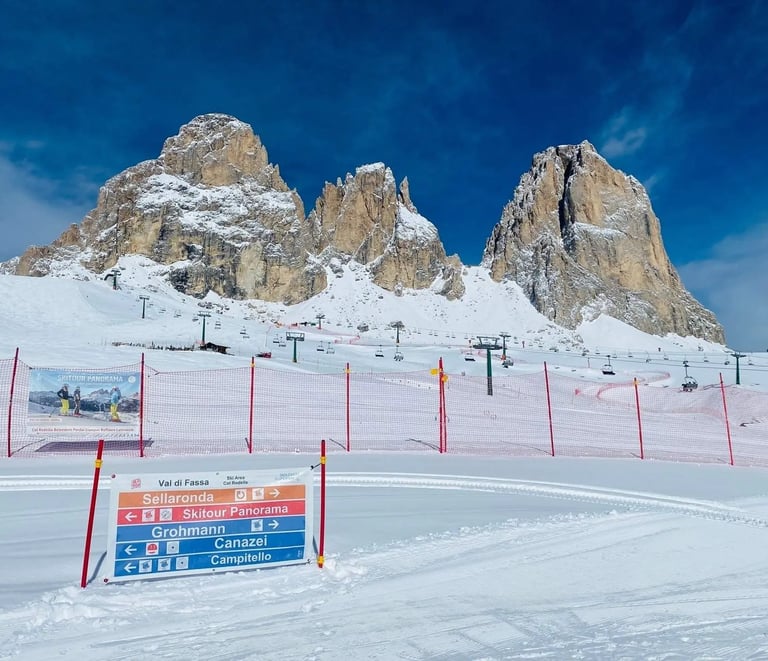
10. Sella Ronda: The Ultimate Dolomites Circuit
This 26km ski loop around the Sella Massif connects four valleys and offers diverse terrain for intermediate skiers. The challenge of completing the circuit—plus sunset views from Rifugio Oswald—makes it a Pinterest favorite.
Best For: Intermediate skiers, adventure seekers, photographers.
When to Go: January–March; December for Christmas markets.
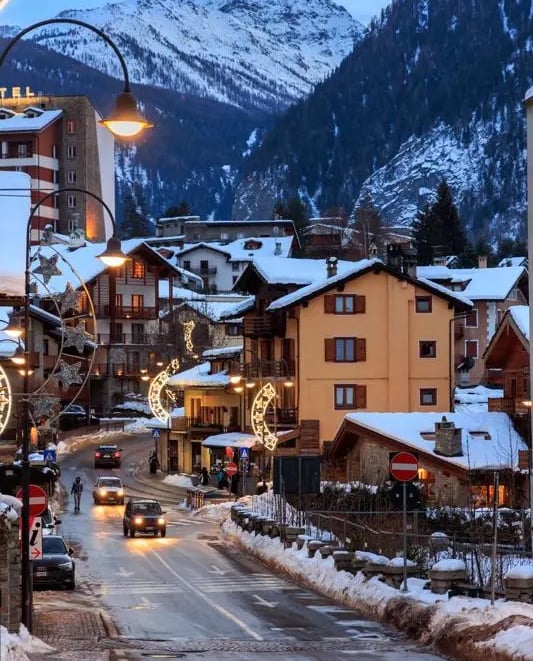
11. Courmayeur: Aosta Valley’s Glamorous Gem
Courmayeur’s slopes sit beneath Mont Blanc, Europe’s highest peak. The 100km of terrain includes the legendary Vallée Blanche off-piste route, while après-ski means craft cocktails at Bar Roma and thermal spas at QC Terme. A 1.5-hour drive from Geneva, it’s ideal for quick getaways.
Best For: Luxury travelers, advanced skiers, nightlife lovers.
When to Go: December–April; February for Film Festival.
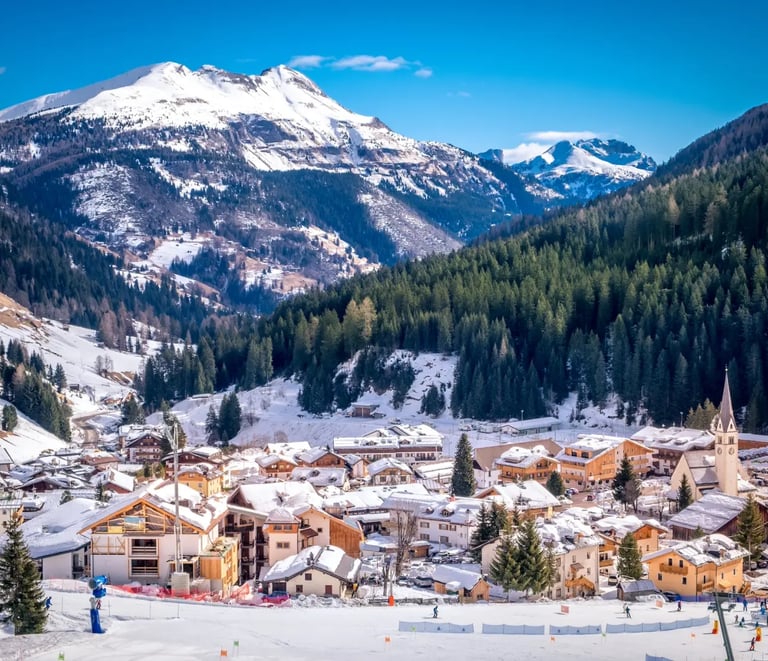
12. Arabba: The Dolomites’ Hidden Powder Haven
Why Americans Love It: Tucked between the Sella and Marmolada ranges, Arabba offers 62km of slopes and easy access to the Sella Ronda. The Porta Vescovo cable car opens up expert terrain like the Marmolada Glacier. Après-ski means hearty meals at Rifugio Pradat and cozy lodges with wood-burning stoves.
Best For: Advanced skiers, powder hounds, off-piste enthusiasts.
When to Go: January–March; February for fresh snow.
Final Thoughts
Italy’s ski resorts offer more than just slopes—they’re gateways to a world where Alpine luxury meets timeless beauty. Whether you’re chasing World Cup thrills, gourmet meals, or quiet moments in snow-globe villages, these 12 destinations promise winter magic that keeps American travelers coming back year after year. ❄️🎿
Pack your skis and your sense of adventure—Italy’s waiting.
❓ FAQ Section
1. What are the most popular Italian ski resorts among travelers?
Visitors consistently favor Val Gardena, Cortina d’Ampezzo, Alta Badia, Madonna di Campiglio, Livigno, Cervinia, and Kronplatz due to their scenery, snow reliability, and upscale alpine experiences.
2. Why do skiers love Italian ski destinations?
Because Italy’s Dolomites deliver highly visual landscapes, luxury accommodations, and distinctive cultural charm — making the content perfect for “save-worthy” .
3. When is the best time for ski in Italy?
The prime season runs from mid-December to late March. Glacier-access resorts like Cervinia and Sölden offer extended conditions, but Dolomiti Superski shines in peak winter.
4. Are Italian ski resorts beginner-friendly?
Yes. Resorts such as Alpe di Siusi, Kronplatz, and Alta Badia offer excellent beginner terrain, top-tier ski schools, and modern lift systems ideal for new skiers.
5. Which resorts are best for advanced skiers?
Arabba, Val Gardena’s black runs, and Cervinia–Zermatt provide challenging terrain, steep gradients, and long panoramic descents favored by expert-level travelers.
6. What makes Italian ski resorts different from those in Switzerland or France?
Italy offers a highly competitive blend of value, luxury, warm hospitality, gourmet food, and dramatic Dolomite scenery — often at a more attractive price point for U.S. visitors.
7. Is Italy a good destination for luxury ski experiences?
Absolutely. Cortina d’Ampezzo, Madonna di Campiglio, Courmayeur, and Val Gardena combine upscale hotels, designer boutiques, fine dining, and curated winter experiences.
8. Can travelers easily reach the Italian Alps?
Yes. Most resorts are accessible via Milan, Venice, Innsbruck, or Verona airports, followed by 2–3 hours of efficient ground transfer.
Connect
Join us for travel tips and destination insights.
© 2026. All rights reserved.
Affiliate disclaimer
This website contains affiliate links. If you purchase through these links, we may earn a commission at no extra cost to you.