
Innsbruck Alpine Hiking Guide: Best Spring Trails & Day Trips 2026
Ultimate Innsbruck alpine hiking guide: best spring trails, beginner routes, Stubai Glacier day trip & easy cable car hikes. Plan your Austrian Alps adventure!
DAY TRIPS
DestinationDiscover
1/31/20268 min read
Affiliate Disclosure
This article contains affiliate links. If you purchase through these links, I may earn a small commission at no extra cost to you. I only recommend products I genuinely believe offer strong performance, quality, and value for your ski and travel experience.
Picture this: crystalline snow crowning jagged limestone peaks while vibrant wildflowers blanket the valleys below. Spring in Innsbruck is a study in contrasts where alpine meadows awaken beneath glaciers that never sleep. If you're seeking trails that marry accessibility with jaw-dropping scenery, you've found the definitive innsbruck alpine hiking guide to transform your Austrian adventure from ordinary to extraordinary.
Nestled in the heart of the Austrian Alps, Innsbruck serves as your basecamp for exploring some of Europe's most spectacular hiking terrain. Unlike summer's crowds or winter's icy trails, spring offers a sweet spot: crisp mountain air, fewer tourists, and landscapes exploding with new life. Whether you're a cable car enthusiast chasing panoramic views or a glacier-bound adventurer, this guide delivers the insider knowledge you need.
Why Innsbruck Reigns Supreme for Spring Hiking
The Tyrolean capital punches above its weight. Within 30 minutes of the city center, you can ascend from Baroque architecture to 2,000-meter summits without breaking a sweat thanks to one of the world's most efficient mountain transport systems. Spring (May through early June) reveals trails emerging from winter's grip, where you'll crunch through remnants of snow while breathing in the scent of pine and alpine roses.
Best Hiking Trails Near Innsbruck Austria: Our Top Picks
1. Zirbenweg (Stone Pine Trail)
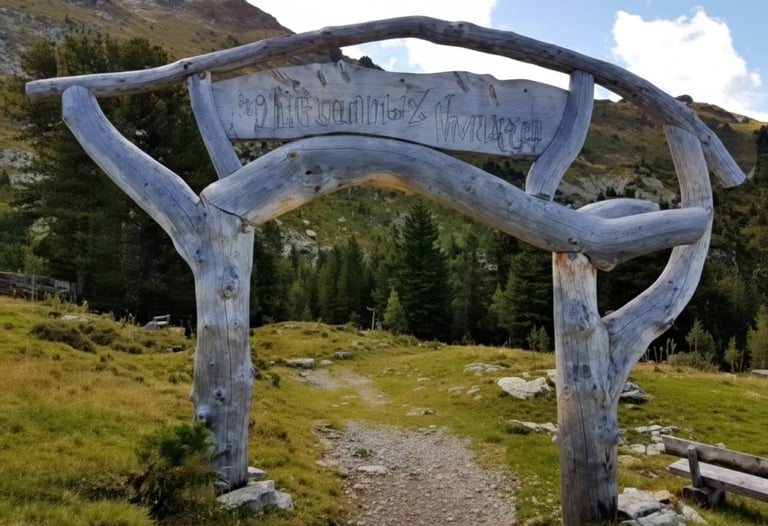
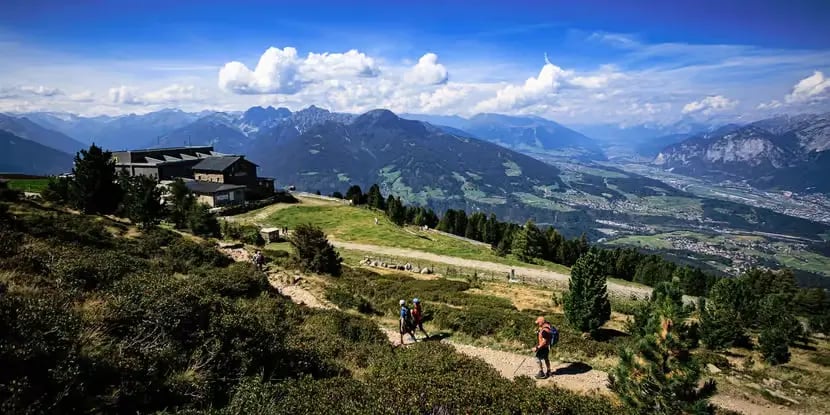
This high-altitude stunner tops our list of the best hiking trails near innsbruck austria for good reason. Stretching 7 kilometers between Glungezer and Patscherkofel mountains, the Zirbenweg meanders through Austria's largest contiguous stone pine forest at roughly 2,000 meters elevation.
Why it's magical: Minimal elevation gain (only 100m), yet you're walking through clouds with the Stubai Alps as your backdrop. The trail stays snow-free earlier than most due to southern exposure and protective tree cover.
Pro tip: Take the Patscherkofelbahn cable car up, hike westward, then descend via the Glungezerbahn. Budget 3-4 hours for the full experience with photo stops.
2. Goetheweg Trail
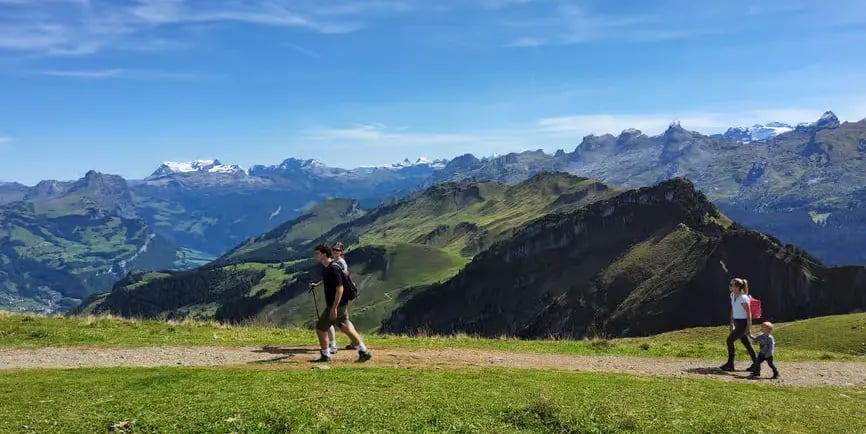
For those seeking aerial drama, this ridge walk from the Hafelekar summit (2,334m) delivers Innsbruck spread out like a topographic map 2,000 meters below your boots. Named after the German poet who supposedly wandered here, the Goetheweg connects the Nordkette's highest cable car station to the Pfeishütte mountain hut.
What to expect: Moderate difficulty with some exposed sections requiring sure footing. Spring means lingering snowfields microspikes recommended through early June. The 360-degree views of the Inn Valley and Zillertal Alps justify every careful step.
Innsbruck Spring Hiking Routes for Beginners: Gentle Introductions to Alpine Beauty
New to mountain hiking? Innsbruck welcomes novices with open arms and well-maintained paths designed for building confidence.
Peter Anich Trail
This innsbruck spring hiking route for beginners hugs the lower slopes of the Nordkette range, offering a 5-kilometer loop that starts and ends in the Hungerburg district (accessible via funicular from downtown). The trail honors the 18th-century cartographer Peter Anich, winding through meadows that explode with yellow arnica and purple gentian by late May.
Beginner-friendly features:
Only 200m elevation gain
Wide, well-marked paths
Multiple bailout points to shorter variants
Benches positioned at every scenic viewpoint
Sillschlucht Gorge Walk
Located just 15 minutes from Innsbruck's Altstadt, this gorge trail proves you don't need altitude for drama. The Sill River has carved a narrow canyon through the bedrock, creating a shaded microclimate where ice formations cling to rock faces well into April.
Perfect for: Families, photographers chasing waterfall shots, and anyone wanting a taste of alpine wilderness without committing to hours of uphill trekking. The 3-kilometer path features wooden walkways and informative panels about glacial geology.
Easy Panoramic Hikes Innsbruck Cable Car: Maximum Views, Minimum Effort
Here's where Innsbruck truly shines—the ability to gain serious elevation via engineering marvels that deliver you to trailheads most hikers spend hours reaching on foot.
Nordkette Cable Car: Top of Innsbruck
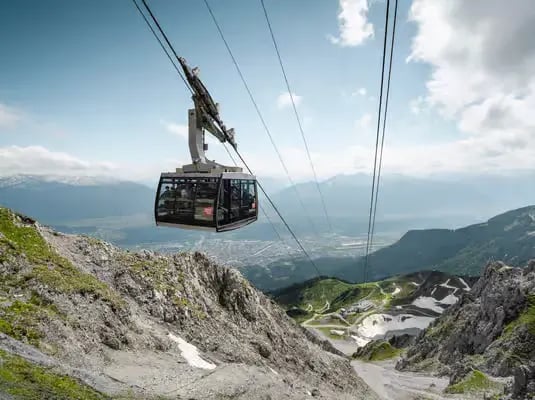
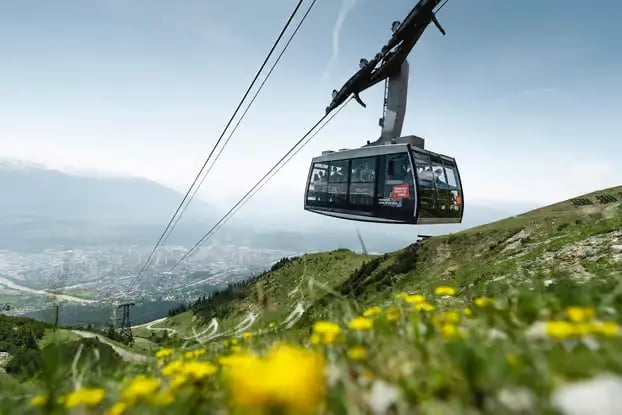
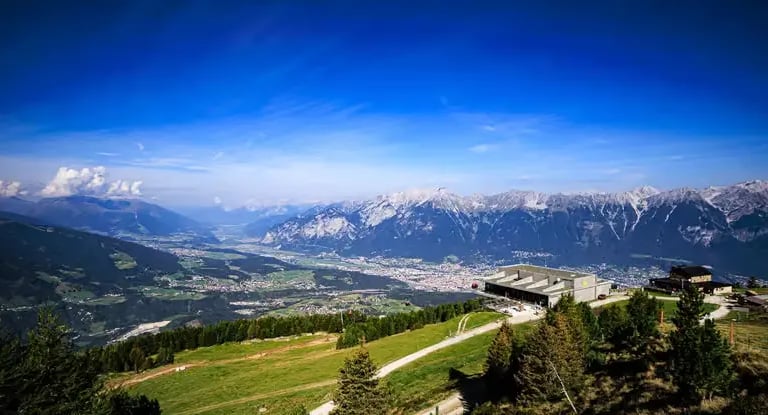
The Nordkette system is your golden ticket to easy panoramic hikes innsbruck cable car access makes possible. In just 20 minutes, you soar from Congress Station (560m) to Hafelekar (2,256m), crossing four climate zones in the process.
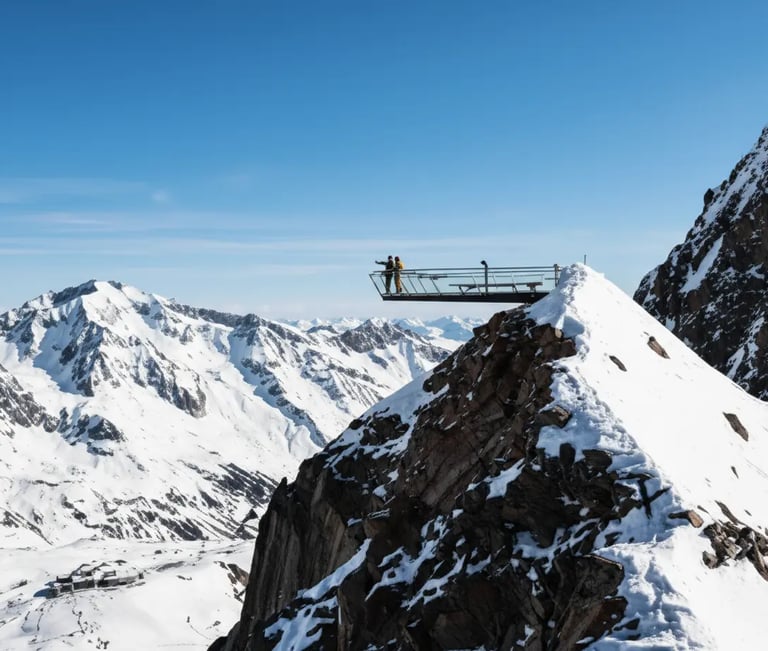
The Top of Innsbruck viewing platform at Hafelekar provides an immediate reward: unobstructed vistas of 400+ peaks, including the Stubai and Ötztal Alps. From here, numerous trails fan out:
The Goetheweg (mentioned above) for adventurers
Short summit loops (30-45 minutes) perfect for those wanting a taste of high-altitude air without committing to long distances
The descent route to Seegrube station via the Frau Hitt trail, where legend says a giant woman turned to stone still guards the mountain
Insider hack: Buy a "return any time" ticket. Ascend early to avoid afternoon clouds, hike as long as desired, then descend whenever you're ready.
Patscherkofel Cable Car
The 1964 Winter Olympics ski mountain transforms into a hiking paradise once the snow melts. The Patscherkofelbahn whisks you to 1,965m, where the summit cross and panorama restaurant await. From this starting point, gentle trails loop the summit plateau perfect for seniors or families with young children who still want authentic alpine experiences.
Stubai Glacier Day Trip From Innsbruck: Touch the Eternal Ice
No innsbruck alpine hiking guide would be complete without highlighting the Stubai Valley's crown jewel. The stubai glacier day trip from innsbruck ranks as a bucket-list experience, delivering you to Austria's largest glacier ski area and in spring, a wonderland where winter and summer coexist.
Getting There
The Stubaital bus departs hourly from Innsbruck's main train station, arriving at the Mutterbergalm base station 60 minutes later. Alternatively, rent a car for flexibility (parking is ample and free).
Top of Tyrol Platform
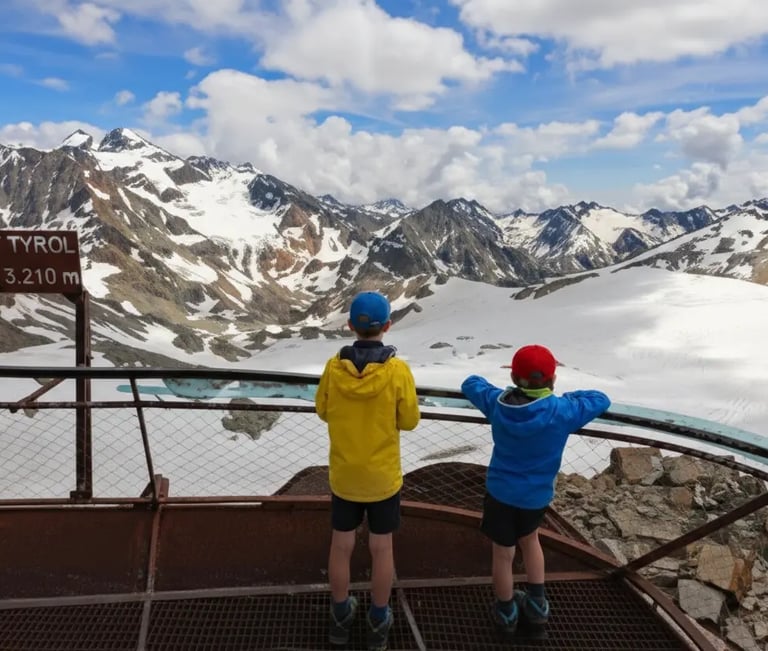
Once you've ridden the three-stage cable car system to 3,210 meters, step onto the Top of Tyrol viewing platform Tyrol's highest accessible point. The 360-degree panorama encompasses over 100 glaciated peaks, including the imposing Zuckerhütl (3,507m), Tyrol's highest summit.
Spring hiking opportunities:
Eisgrat Trail: A prepared glacier path marked with ropes, allowing non-mountaineers to walk on eternal snow (crampons provided free at the top station)
Schaufeljoch summit: Add another 100m of elevation via a 30-minute trail for even more expansive views
Ice Cave: Explore a natural grotto carved into the glacier's heart
Practical considerations: Even in May, temperatures at 3,000+ meters hover around freezing. Layer appropriately, and don't underestimate the sun's intensity snow glare at this altitude can sunburn skin in minutes.
What to Pack: Spring Hiking Essentials
Spring in the Alps demands versatility. Conditions can shift from shirt-sleeve weather in valleys to winter-like exposure at elevation:
Layers, layers, layers: Merino base layer, insulating mid-layer (fleece or light down), waterproof shell
Sunscreen (SPF 50+): Snow reflects up to 80% of UV radiation
Quality sunglasses: Glacier glasses if tackling the Stubai
Microspikes or light crampons: For trails above 2,000m through early June
Hiking poles: Invaluable for stability on snowmelt-slick trails
Daypack (20-30L): With space for shed layers and water (2L minimum at altitude)
Emergency basics: First aid kit, headlamp, whistle, charged phone with offline maps
Timing Your Visit: When Spring Blooms Best
Early May: Lower valleys green up; higher trails still snow-covered. Ideal for gorge walks and cable car-assisted panoramas.
Mid-to-late May: Sweet spot. Most trails above 1,500m become accessible, wildflower meadows peak, and waterfalls roar with snowmelt.
Early June: Transition to summer. Nearly all trails clear, but you'll start encountering more crowds.
Your Alpine Adventure Awaits
Innsbruck isn't just a destination it's a launchpad into landscapes that have inspired artists, challenged mountaineers, and humbled travelers for centuries. From the beginner-friendly pathways threading through the Sillschlucht to the ethereal experience of standing on a glacier before lunch, these trails offer something for every ambition level.
Ready to plan your perfect Tyrolean escape? Pin this ultimate innsbruck alpine hiking guide to your Austria Travel board on Pinterest for easy reference, and don't miss our curated luxury itineraries for Salzburg and the Salzkammergut region. The Alps are calling will you answer?
Happy trails, and may your spring hiking adventures be filled with crisp air, stunning vistas, and the kind of moments that become lifelong memories.
Frequently Asked Questions About Hiking in Innsbruck
When is the best time for spring hiking in Innsbruck?
Mid-May through early June offers the ideal spring hiking window in Innsbruck. During this period, lower elevation trails (below 1,500m) are snow-free with blooming wildflowers, while higher routes become increasingly accessible. Early May works well for gorge walks and cable car-assisted hikes, but expect lingering snow on trails above 2,000m until late May.
Do I need hiking experience to explore trails near Innsbruck?
Not at all! Innsbruck caters to all skill levels. Beginners can enjoy gentle paths like the Peter Anich Trail or Sillschlucht Gorge, both offering stunning scenery with minimal elevation gain. The cable car system also allows anyone to reach high-altitude viewpoints without technical hiking skills. However, trails like the Goetheweg require sure footing and some mountain experience.
How do I get to the Stubai Glacier from Innsbruck without a car?
The Stubaital bus (line 590) departs hourly from Innsbruck Hauptbahnhof (main train station) directly to the Mutterbergalm glacier base station. The journey takes approximately 60 minutes and costs around €10-12 each way. Buses run from early morning until late afternoon, making it easy to plan a full glacier day trip using public transportation.
What should I wear for spring hiking in the Austrian Alps?
Layer strategically! Start with a moisture-wicking base layer, add an insulating mid-layer (fleece or light down jacket), and top with a waterproof/windproof shell. Temperatures can range from 15°C (59°F) in valleys to below freezing at 3,000m elevations. Sturdy hiking boots with ankle support are essential, and bring a warm hat and gloves for glacier excursions even in May.
Do I need to book cable car tickets in advance?
During spring (before summer peak season), advance booking isn't usually necessary for weekdays. However, weekends and Austrian public holidays can get busy, especially at popular stations like Nordkette. For the best experience and guaranteed access, consider purchasing tickets online the night before, particularly if you have a tight schedule.
Are there family-friendly hiking options near Innsbruck?
Absolutely! The Sillschlucht Gorge walk features easy wooden walkways perfect for children. The Patscherkofel summit, accessed by cable car, offers gentle loops with minimal elevation change. Additionally, the lower Nordkette stations (Hungerburg and Seegrube) have short trails and playgrounds, making them ideal for families with young hikers.
Connect
Join us for travel tips and destination insights.
© 2026. All rights reserved.
Affiliate disclaimer
This website contains affiliate links. If you purchase through these links, we may earn a commission at no extra cost to you.