
How to See Kyoto’s “Big 5” in One Day: Why a Private Car is Essential in 2026
See Kyoto’s Big 5 in one day with a private driver-guide. Beat bus crowds in 2026 and save 2–3 hours on a smart, luxury itinerary.
DAY TRIPS
DestinationDiscover
1/23/202610 min read
Affiliate Disclosure
This article contains affiliate links. If you purchase through these links, I may earn a small commission at no extra cost to you. I only recommend products I genuinely believe offer strong performance, quality, and value for your ski and travel experience.
Kyoto is having a moment again. If you’ve been lately (or even just watched a few TikToks), you already know the headline: overtourism is real, and it’s reshaping what a “simple” sightseeing day looks like in 2026.
On paper, Kyoto’s greatest hits seem straightforward: the Golden Pavilion, Arashiyama’s bamboo grove, and the iconic torii gates of Fushimi Inari. In reality? Crowded buses, slow travel times, and long queues can turn a dream itinerary into a three-attraction scramble.
And here’s the uncomfortable truth most guidebooks don’t spell out: doing the Golden Pavilion (Kinkaku-ji), Arashiyama, and Fushimi Inari in one day by bus is nearly impossible if you also want to enjoy yourself especially during peak seasons like sakura (late March early April) and autumn foliage (mid-November).
So if you’re searching for a Kyoto 1 day itinerary that actually works in 2026 without spending half your trip pressed against strangers on public transport this is the strategy I recommend to luxury-minded, time-conscious travelers.
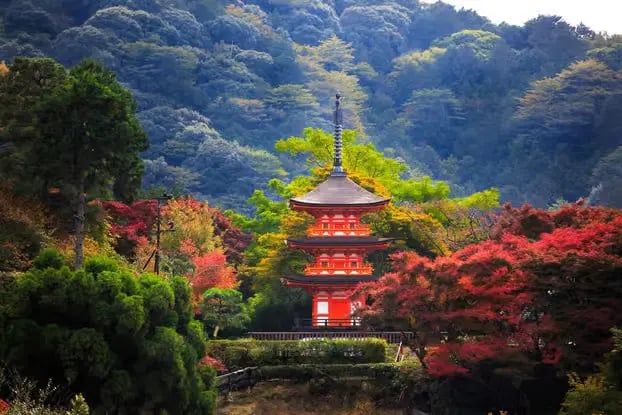
The Solution: A Private Driver-Guide Tour
Let’s be clear: Kyoto’s trains are efficient, but they don’t connect every major temple cleanly. And buses while extensive are where overtourism hits hardest. They’re packed, slow, and often delayed. Add walking transfers, station navigation, and waiting times, and your “15-minute ride” becomes a 45-minute reality.
That’s why a private driver-guide setup has become the smartest way to do Kyoto’s major highlights in one day.
A private car in Kyoto is not about showing off. It’s about:
Time compression: seeing more with less wasted transit
Energy management: not burning your best hours standing in lines for buses
Logistics control: being dropped close to entrances rather than hiking from stations
Flexibility: adjusting pace if a site is crowded (or if you fall in love with one place)
If you’re weighing Kyoto private tour vs public transport, the biggest difference is simple: public transport gives you the city’s infrastructure; a private driver gives you back your day.
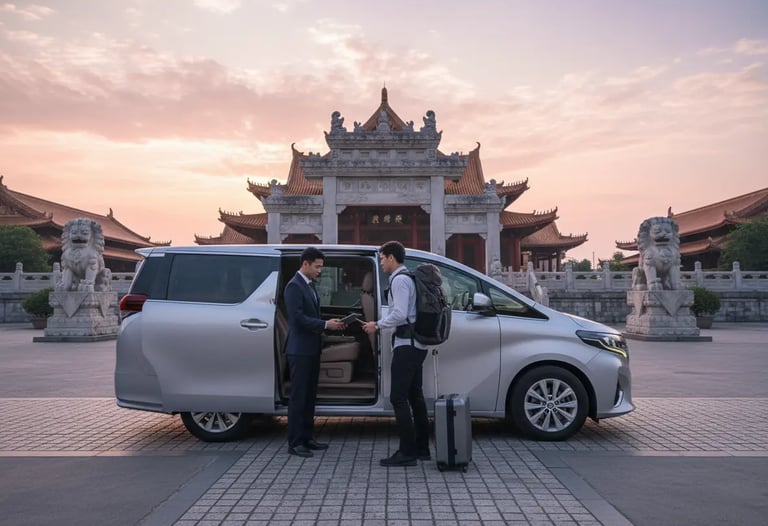
Kyoto: Private Highlights Tour
There are countless private tours in Kyoto, but one that consistently stands out especially for travelers who want comfort without paying for a full luxury guide team is:
Kyoto: Private Highlights Tour (GetYourGuide ID: 614037).
This is a private car tour designed to hit Kyoto’s most famous sights efficiently, with a driver who also shares context and local insight during transit. It’s positioned in that sweet spot: more elevated than DIY transit, but not priced like a white-glove interpreter-guide who accompanies you through every temple.
In other words: it’s for travelers who want to maximize their one day in Kyoto while still keeping things practical.


Why This Tour Works in 2026
1) Comfortable Vehicles: Toyota Alphard / Hiace
Kyoto days are deceptively tiring. You’re walking on stone paths, climbing shrine steps, and standing in crowds. The difference between recovering in a spacious, clean vehicle versus squeezing into a bus is enormous.
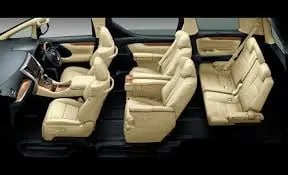
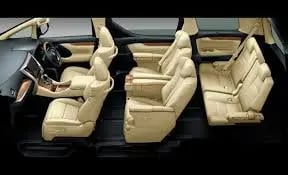
This tour typically uses Toyota Alphard (the “quiet luxury” minivan of Japan) or a Toyota Hiace (roomy and practical for larger groups). Expect:
Comfortable seating and smooth rides
Strong air-conditioning (a must in Kyoto summers)
Space for shopping bags, strollers, or luggage if needed
It’s not flashy. It’s exactly what you want: calm, clean, and reliable.
2) The Driver-Guide Model: Smart Value
A full private guide who walks with you through every site can be wonderful but it also gets expensive quickly.
This tour’s “driver-guide” approach keeps the cost more reasonable while still improving your experience. Your driver typically:
Shares historical background and cultural context in the car
Helps you sequence stops strategically
Manages time and routing like a pro
Offers local tips (food, viewpoints, timing hacks)
It’s not a lecture. It’s useful, situational insight the kind that makes you feel like you’re traveling smarter.
3) Efficient Logistics That Public Transit Can’t Match
If you’ve tried doing Kyoto by bus, you know the friction points: walking to the stop, waiting, boarding crowds, stopping frequently, then walking again from a drop point that’s still not that close.
A private car changes the whole experience with small, powerful efficiencies like:
Getting dropped off right near the Kinkaku-ji entrance rather than navigating bus crowds and extra walking
Minimizing transfers (Kyoto often requires train + bus combos for certain routes)
Avoiding the “wrong platform / wrong bus line” time traps
Leaving immediately when you’re done no waiting for the next packed bus
This is where your 2–3 hours of saved time comes from. Not magic. Just fewer friction points.
The Itinerary Breakdown: The Standard Route
Many versions of Kyoto’s Big 5 exist, but the most efficient standard flow especially for photos and crowd management tends to look like this:
Fushimi Inari → Kiyomizu-dera → Kinkaku-ji → Arashiyama
Below is how this route feels with a private car, and why it’s so difficult (sometimes unrealistic) with public transport in 2025.
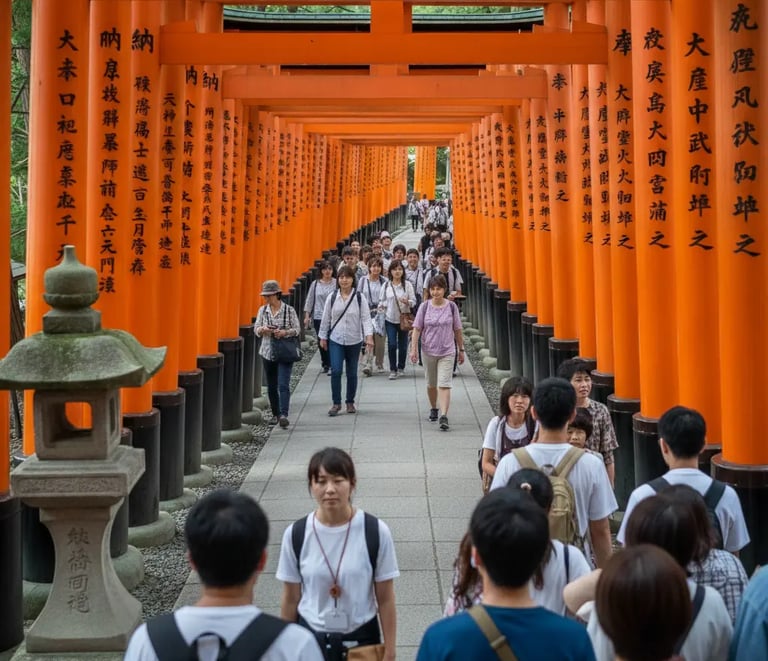
Stop 1: Fushimi Inari Taisha
If you can do one thing “right” in Kyoto, do this: visit Fushimi Inari early.
The torii gates are stunning at any time, but by mid-morning the lower paths can become a slow-moving crowd. A private driver helps you arrive early without the stress of train transfers or figuring out the best entrance point.
Why the car matters:
You’re not relying on perfect train timing, and you can leave exactly when you’re ready whether you do a quick photo walk or a longer climb toward the quieter upper gates.
Time-saving edge: 20-40 minutes saved in transfers and station navigation (and more if trains are busy or you miss one connection).
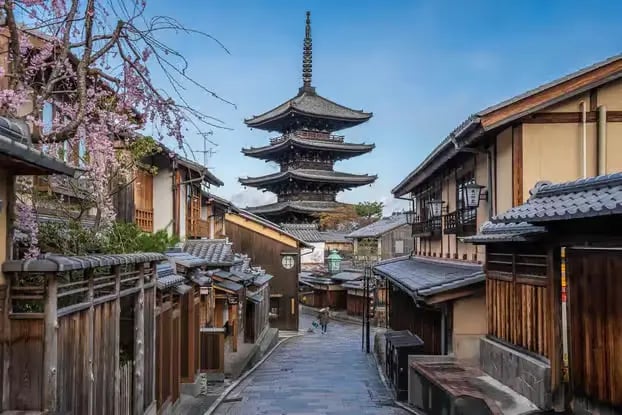
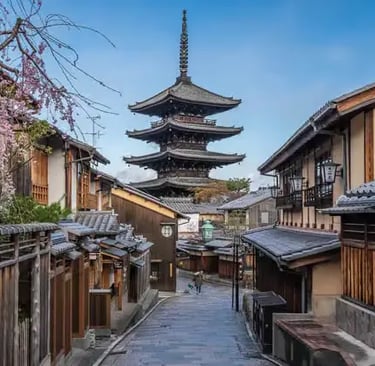
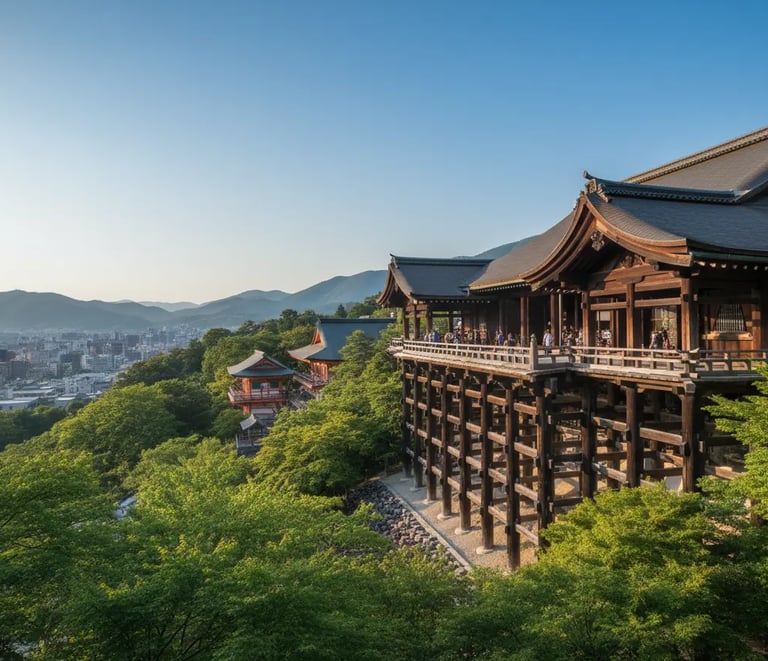
Stop 2: Kiyomizu-dera (Historic Kyoto, Iconic Views)
From Fushimi Inari, most DIY travelers head toward Kiyomizu-dera via a mix of trains/buses and a final uphill walk through busy streets (which, yes, are charming but can be crowded and slow).
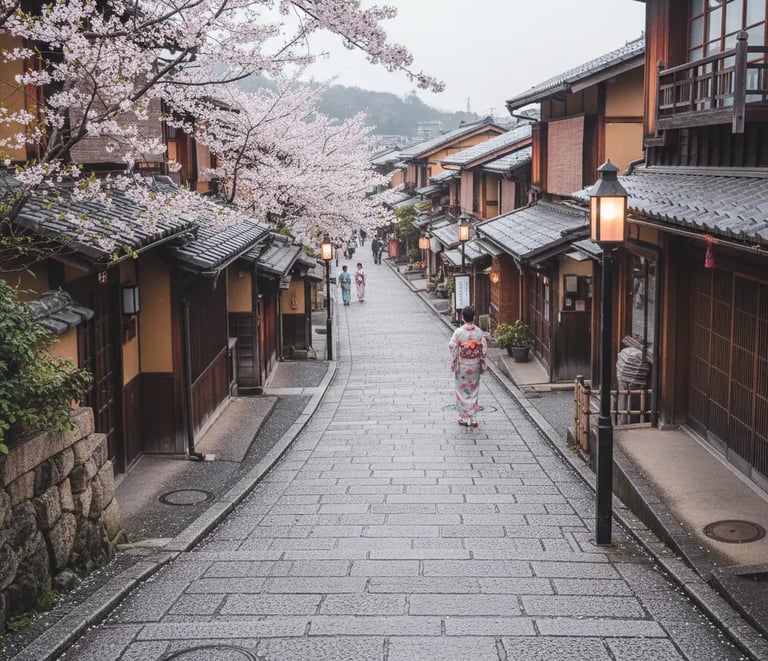
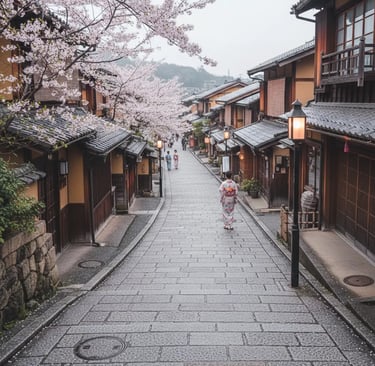
Kiyomizu-dera is a must: the wooden stage, the sweeping city views, the seasonal beauty. But the area around it (Sannenzaka/Ninenzaka) can become a bottleneck.
From Fushimi Inari, most DIY travelers head toward Kiyomizu-dera via a mix of trains/buses and a final uphill walk through busy streets (which, yes, are charming but can be crowded and slow).
Kiyomizu-dera is a must: the wooden stage, the sweeping city views, the seasonal beauty. But the area around it (Sannenzaka/Ninenzaka) can become a bottleneck.
Why the car matters:
A driver can drop you close enough to minimize the most exhausting parts of the uphill approach without skipping the atmospheric lanes entirely. You still get the charm; you just don’t waste energy on unnecessary transit confusion.
Time-saving edge: 30–60 minutes saved versus multi-leg transit and waiting.
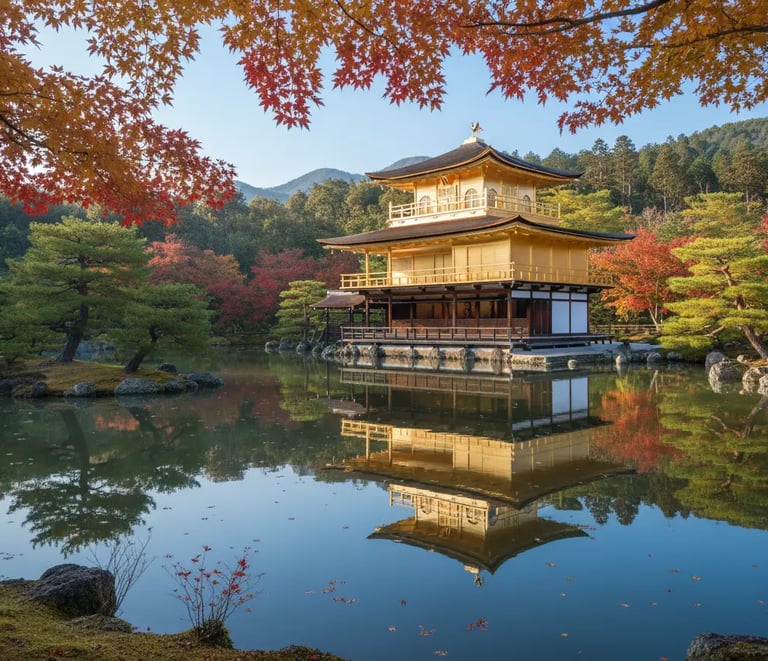
Stop 3: Kinkaku-ji
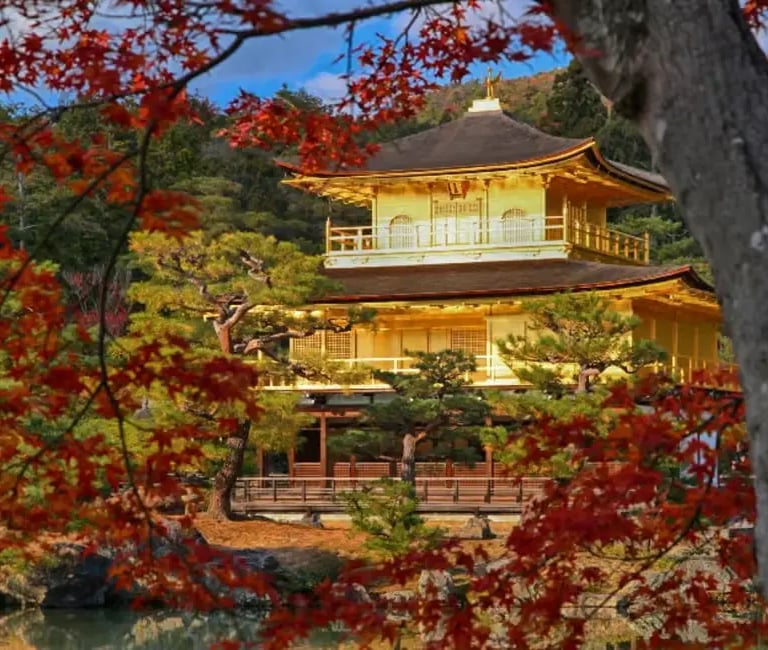
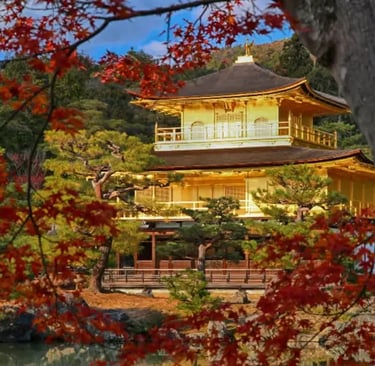
Kinkaku-ji is one of those places that people complain is “too crowded”… right after admitting they’d be upset if they skipped it. The truth is: it’s iconic for a reason.
The real challenge is that Kinkaku-ji is not positioned conveniently for a smooth DIY day that also includes Arashiyama and Fushimi Inari.
By bus, this leg can feel punishing: multiple stops, slow roads, long lines, standing room only, and delays that stack up.
Why the car matters:
This is the single most dramatic “private tour vs public transport” moment. Being dropped near the entrance, on your schedule, is a game changer.
Time-saving edge: 45–75 minutes saved, often more in peak seasons.
Stop 4: Arashiyama
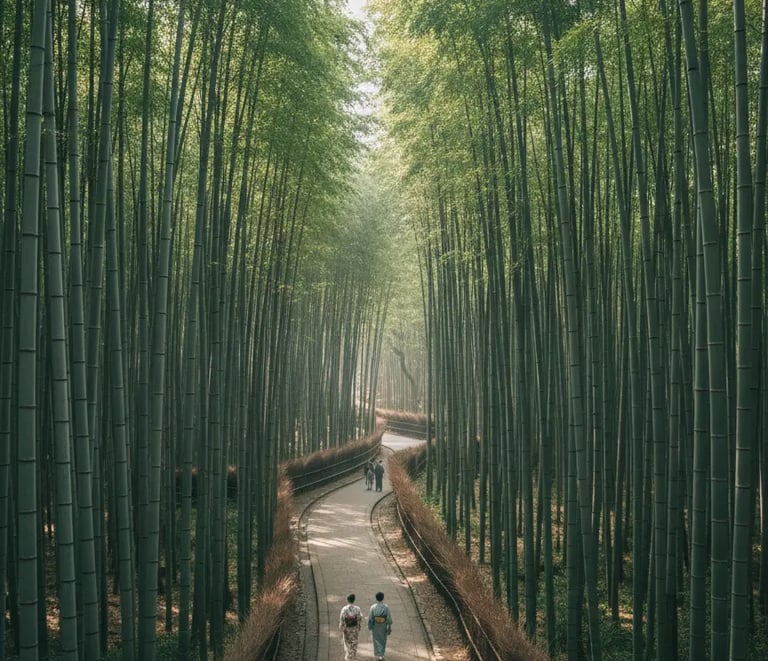
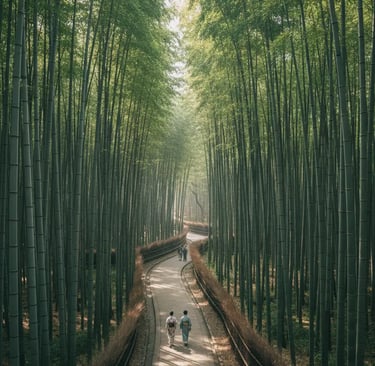
Arashiyama is not just bamboo it’s the whole area: river views, bridges, snack streets, serene temples, and that “Kyoto postcard” feeling.
But it’s also one of the most time-sensitive areas. If you arrive late afternoon after fighting buses, you’ll be speed-running the grove with the sun already low and crowds still thick.
Why the car matters:
A private driver makes Arashiyama feasible as a final major stop because you don’t lose half the afternoon getting there. You arrive with enough time to actually enjoy it.
Time-saving edge: 30–60 minutes saved, plus less fatigue (which matters more than people admit).
Stop 5: Tenryu-ji Temple (The Dragon Temple)
The Strategy: Located right next to the bamboo grove, this Zen temple completes your "Big 5."
Why the car matters: After walking the massive gardens, your legs will be dead. Instead of hiking back to the JR station and standing for the 20-minute ride to Kyoto Station, your Toyota Alphard pulls up. You sink into the leather seat, and you are dropped off at your hotel (or a dinner reservation in Gion) by 6:00 PM.
The Big Claim: Saving 2–3 Hours
When you combine:
waiting times
bus delays
transfers
walking to/from stations and stops
getting stuck in peak congestion
…it’s realistic to save 2–3 hours over the course of a day by using a private car for this route.
And in Kyoto, 2–3 hours is the difference between:
seeing four major highlights versus rushing through two or three
having time for a proper lunch instead of a convenience store panic purchase
taking photos patiently instead of fighting crowds and clocks
Honest Review: What This Tour Does (and Doesn’t) Do
This is the part I appreciate most: the tour is clear about the format.
The “Con”: The Driver Doesn’t Enter Temples With You
If you’re expecting a guide who walks beside you, explains every statue, and leads you through each complex this isn’t that. The driver generally does not accompany you inside temples and shrines.
But here’s the thing: for many travelers, this is a feature, not a flaw.
The “Pro”: Freedom to Explore at Your Own Pace
Kyoto is personal. Some people want to linger over garden details and architecture; others want the headline photo and a matcha soft serve. With this setup:
you explore independently
you spend more time where you’re genuinely interested
you’re not forced into a group pace
you can move quickly when a site feels too crowded
Meanwhile, the driver keeps the day on track and provides context during the drives—when you’re seated, hydrated, and mentally available.
Drivers Mentioned in Reviews (Names Like “Sam” or “Fuji”)
One pattern that jumps out in reviews is that travelers often remember their driver by name which is usually a good sign. You’ll see top-rated drivers mentioned, including names like “Sam” or “Fuji”, with guests highlighting:
calm, safe driving
good communication
helpful timing suggestions
friendliness without being intrusive
Of course, you can’t guarantee a specific driver on any given date but consistent name mentions usually indicate the operator has a solid team.
Book Early (Especially for Sakura and Autumn)
Kyoto in 2025 is not the Kyoto of ten years ago. It’s more popular, more crowded, and less forgiving of overly ambitious DIY itineraries especially if you only have one day and you want to see the city’s “Big 5” without turning your vacation into a transit endurance test.
If you’re serious about a Kyoto 1 day itinerary that includes Arashiyama and Fushimi Inari in one day, and you’re debating Kyoto private tour vs public transport, my practical advice is simple:
Use public transport when you have multiple days and flexibility.
Use a private car when you have one day and zero time to waste.
If you’re traveling during sakura or autumn foliage, I strongly recommend booking 2–3 months in advance these dates sell out fast, and the best time slots disappear first.
To lock in the exact route, vehicle size, and your preferred start time, book the tour here using my link:
Kyoto: Private Highlights Tour (GetYourGuide ID: 614037)
Your feet (and your schedule) will thank you.
FAQ
1) Can you really do Kyoto’s highlights in one day?
Yes if you plan tightly and minimize transit delays. A private driver-guide makes it realistic to cover major sights like Fushimi Inari, Kiyomizu-dera, Kinkaku-ji, and Arashiyama in a single day.
2) Is a Kyoto private tour worth it compared to public transport?
For a one-day visit in 2025, often yes. With overtourism, buses can be crowded and slow; a private car typically saves 2–3 hours across the day and reduces fatigue significantly.
3) Can you visit Arashiyama and Fushimi Inari in one day?
Yes. It’s one of the most requested pairings, but it’s hard by bus due to travel time and transfers. A private car makes this combo far more comfortable and predictable.
4) What’s the difference between a driver-guide and a full guided tour?
A driver-guide provides helpful context and local tips during drives and manages logistics, but usually won’t enter temples/shrines with you. A full guide accompanies you inside and gives detailed, on-site explanations.
5) What vehicle is used on the tour?
Typically a Toyota Alphard or Toyota Hiace, depending on group size. Both are comfortable, air-conditioned, and ideal for a full day of moving across Kyoto.
6) How far in advance should I book for cherry blossom or autumn season?
Book 2–3 months ahead for sakura (late March–early April) and peak autumn foliage (November). The best start times sell out first.
7) Will the itinerary order ever change?
Sometimes, yes mainly to avoid traffic or crowd spikes. Many drivers will recommend starting early at Fushimi Inari and adjusting the rest based on conditions.
8) Does the driver wait while you explore each site?
Yes, typically the driver coordinates pickup times at each stop, giving you freedom to explore independently while keeping the day moving smoothly.
Connect
Join us for travel tips and destination insights.
© 2026. All rights reserved.
Affiliate disclaimer
This website contains affiliate links. If you purchase through these links, we may earn a commission at no extra cost to you.