
Tokyo Travel Guide 2025: Fashion, Culture & City Secrets for First-Time Visitors
Your complete Tokyo travel guide – explore where to stay, how to get around, fashion districts, cultural experiences, and travel tips for Japan’s dynamic capital.
CITY BREAKS
DestinationDiscover
11/15/20256 min read
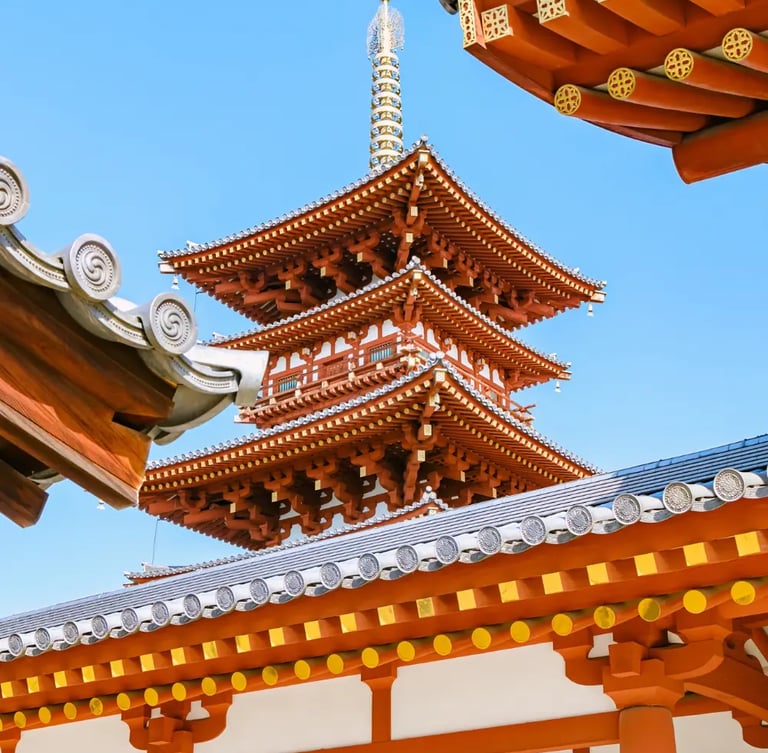
Tokyo Travel Guide: Where Style Meets Tradition in Japan’s Megacity
Tokyo, the heart of Japan, hums with energy that feels both futuristic and deeply traditional. It's a city of contrasts — ancient temples nestled beneath glass towers, kimono-clad locals crossing neon intersections, and quiet tea houses hidden behind avant-garde boutiques. For first-time travelers, exploring Tokyo means stepping into a living kaleidoscope of design, culture, technology, and flavor.
This Tokyo travel guide will walk you through everything — from where to stay in Tokyo and how to master Tokyo public transportation, to the city’s unique fashion scene and timeless cultural experiences. Let’s dive into the electric soul of Japan’s capital.
Where to Stay in Tokyo: Shinjuku vs Shibuya vs Ginza
Choosing where to stay in Tokyo can shape your entire experience. Each district offers a unique rhythm, from nightlife to convenience.
Shinjuku – For Energy & Entertainment
Shinjuku is Tokyo’s pulse — a place of towering skyline views, karaoke bars, and late-night ramen shops. It’s anchored by Shinjuku Station, the world’s busiest transport hub, connecting travelers to nearly every corner of the city.
Best for: Night owls, first-time visitors, and those who love the buzz of urban Tokyo.
Highlights: Tokyo Metropolitan Government Building (free observation deck) and the atmospheric Golden Gai alleyway.
Shibuya – Youth Culture & Fashion
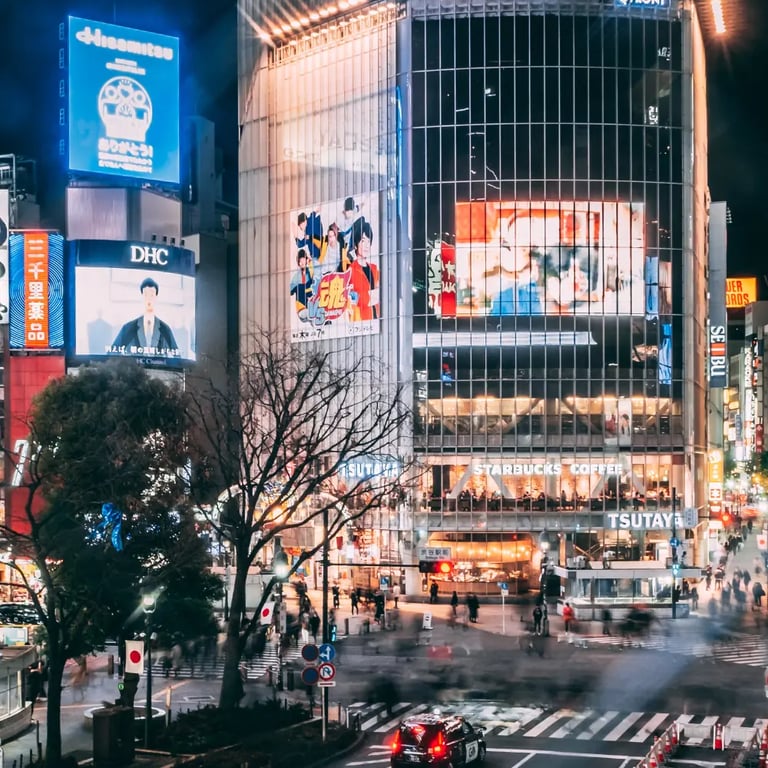
A short train ride from Shinjuku, Shibuya offers trendsetting energy and world-famous fashion hubs. The Shibuya Scramble Crossing is iconic — thousands crossing in unison under flashing billboards.
Best for: Shoppers, photographers, and anyone diving into Tokyo fashion districts.
Don’t miss: Shibuya 109, streetwear boutiques, and nearby Cat Street, lined with concept stores and cafés.
Ginza – Elegance & Luxury
Ginza’s tree-lined avenues blend luxury and calm. It’s Tokyo’s chicest neighborhood, where flagship stores share space with century-old sushi restaurants. Compact, walkable, and beautifully illuminated at night, Ginza is ideal for a more refined stay.
Best for: Food lovers, high-end shoppers, couples.
Notable for: Kabuki-za Theatre and fine dining.
These areas define the essence of Tokyo neighborhoods — distinct in style yet perfectly connected.
Getting Around: How to Navigate Tokyo Public Transportation
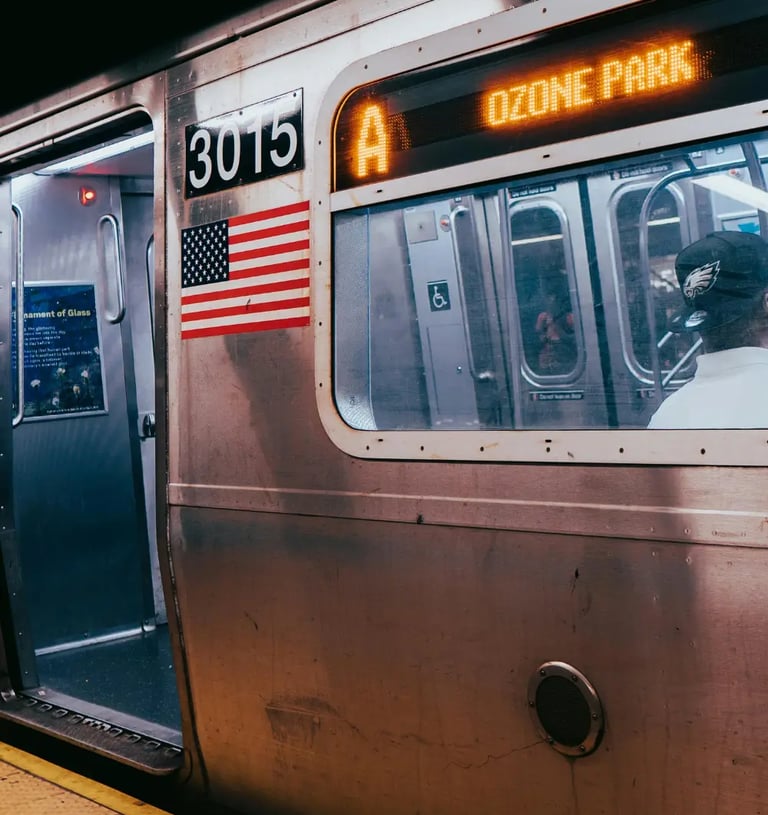
Tokyo’s transport network is legendary — efficient, punctual, and vast. Learning how to get around Tokyo can save valuable time.
Suica & Pasmo Cards: Your Travel Companions
Suica and Pasmo are rechargeable IC cards used on trains, subways, and buses across the city. Tap in and out at stations to automatically deduct fares — no need to buy tickets each ride.
Where to buy: Vending machines or airport kiosks.
Bonus: They work at convenience stores and vending machines, too.
Tokyo Subway Ticket: Unlimited Exploration
If your Tokyo itinerary involves multiple subway rides daily, consider the Tokyo Subway Ticket — available in 24, 48, or 72-hour versions. It grants unlimited rides on Tokyo Metro and Toei Subway lines, saving both money and time for sightseeing-heavy days.
JR Lines vs Subway Lines
JR Lines (operated by Japan Railways) — Include the Yamanote Line, a loop connecting major city hubs like Shinjuku, Shibuya, and Ueno. JR Pass holders can ride it for free.
Tokyo Metro & Toei Subway — Dense underground networks reaching every corner, ideal for local exploration.
Tip: Combine Suica/Pasmo for flexibility with the Tokyo Subway Ticket for days packed with sightseeing.
Fashion & Style: The Heartbeat of Tokyo’s Identity
Tokyo’s street style is unmatched — expressive, fearless, constantly evolving. Each neighborhood tells its own story of individuality and transformation.
Harajuku & Takeshita Street: Kawaii Culture Lives On
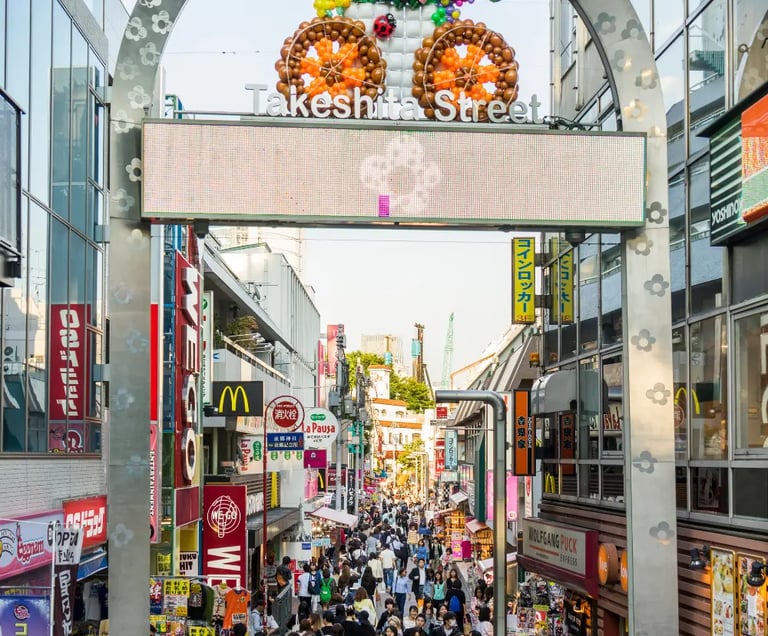
Harajuku remains Tokyo’s hub for creativity and chaos. On Takeshita Street, youth culture mixes with kawaii fashion — pastel dresses, layered accessories, oversized bows, and cosplay-inspired individuality.
Don’t miss Bunker Tokyo, a café-meets-exhibition space celebrating unconventional fashion. Whether you shop or simply people-watch, Harajuku embodies the playful side of Tokyo fashion districts.
Shibuya: Global Streetwear Central
Move from teen pop culture to cutting-edge style. Shibuya 109 is the beating heart of Japanese streetwear, featuring local brands that define global trends. Wander to Shibuya Parco, where designers blend technology with fashion — a glimpse into Tokyo’s innovation-driven aesthetic.
Shimokitazawa: Vintage with an Edge
Often compared to Brooklyn or Shoreditch, Shimokitazawa offers thrift stores, record shops, and vintage boutiques tucked into alleyways. This bohemian district attracts creative locals and is a must-see for anyone exploring Tokyo shopping guide hotspots beyond the mainstream.
Ginza: Tokyo’s Luxury Runway
In crisp contrast, Ginza represents timeless elegance. Stroll past boutiques like Chanel, Dior, and traditional silk tailors reflecting Tokyo’s classic craftsmanship. Here, modern design meets Japan’s meticulous attention to detail.
Traditional Clothing: Kimono Expressions & Textile Heritage
For travelers seeking immersive Tokyo cultural experiences, few activities compare to traditional dress.
Kimono & Yukata Rental in Asakusa
The historic Asakusa district, home to Senso-ji Temple, offers numerous Tokyo kimono rental studios where visitors can don elegant garments before strolling through streets of paper lanterns and sweet shops.
Popular services like Vasara Kimono Rental and Aiwafuku provide authentic designs, easy dressing assistance, and hairstyling. Yukata (light summer kimono) is available during warmer months.
The Textile Traditions of Tokyo
Tokyo is also known for its silk artistry — famously Tokyo Yuzen, a delicate silk-dyeing tradition using hand-painted floral patterns. Another form, Tokyo Komon, features intricate repeated designs so fine they resemble lace. Some workshops in Nihonbashi and Sumida allow visitors to observe artisans at work, revealing centuries of craftsmanship behind each kimono.
These experiences connect fashion with heritage — showcasing how innovation and tradition remain inseparable in Tokyo’s identity.
Seasonal Travel Tips: When to Visit Tokyo
Tokyo’s weather transforms dramatically through the year, offering different things to do in Tokyo each season.
Spring (March–May)
Spring is the city’s postcard moment — cherry blossoms paint parks pastel pink, especially in Ueno Park and Chidorigafuchi. Mild temperatures make it ideal for outdoor exploring and photography.
Summer (June–August)
Hot, humid, and buzzing with matsuri (festivals). Expect lively fireworks displays along the Sumida River and yukata-clad locals in streets. Stay hydrated and embrace cool evening breezes.
Autumn (September–November)
A favorite among photographers, with vivid autumn foliage glowing in Shinjuku Gyoen and Meiji Shrine gardens. Comfortable weather makes it a prime travel window and a highlight of the best time to visit Tokyo.
Winter (December–February)
Clear skies, crisp air, festive illuminations — perfect for shopping and cozy dining. It’s also ideal for visiting hot springs (onsen) near the city after long walking tours.
Pro Tip: For Tokyo itinerary planning, book accommodations early during cherry blossom and autumn foliage seasons.
Practical Travel Tips for Tokyo
What to Wear & Pack
Tokyo is a walking city. Bring comfortable, stylish shoes, compact clothing layers, and an umbrella year-round. Locals favor modest, well-fitted styles — you’ll blend easily with neutral tones. For winter, light down jackets are ideal; for summer, breathable fabrics are key.
After long days, relax at a local onsen or sento (public bath) — Tokyoites swear by it for recharging tired legs.
Accommodation & Luggage
Hotel rooms in Tokyo tend to be compact — an average double measures around 15 m². Pack efficiently and use luggage delivery services (takkyubin) to send large bags between airports and hotels. Collapsible carry-ons work best for navigating tight metro stations and narrow corridors.
Tokyo Neighborhoods You’ll Remember
Tokyo isn’t a city you “see” — it’s one you feel street by street. From the organized chaos of Akihabara’s anime arcades to the peaceful pathways of Yanaka Old Town, each neighborhood reveals a new layer.
First-time visitors should prioritize:
Asakusa for temples and tradition
Omotesando for modern architecture
Roppongi Hills for city views
Ueno for museums and street markets
Combining ancient shrines, gourmet dining, and avant-garde shopping, Tokyo isn’t one experience — it’s dozens at once.
Conclusion: Why Tokyo Is a City Like No Other
Tokyo is more than Japan’s capital — it’s an idea of balance. Where robots serve sushi beside century-old izakayas, where fashion experiments coexist with sacred rituals, and where every train feels like a heartbeat of precision.
Whether you come for Tokyo fashion districts, Tokyo cultural experiences, or the simple joy of wandering neon streets, you’ll find a city that redefines what “modern” means — without ever forgetting its soul.
So pack light, charge your camera, and step into the blend of tomorrow and yesterday. Tokyo awaits — endlessly inspiring, meticulously crafted, and unforgettable.
FAQ
1. Is Hokkaido worth visiting in winter?
Yes — Hokkaido is considered one of the world’s top winter destinations thanks to its powder snow, hot springs, festivals, and pristine nature.
2. What is the best month to visit Hokkaido in winter?
January and February offer peak snow quality, winter festivals, and the most scenic landscapes.
3. Is Hokkaido safe for winter travel?
Very. Roads and public transportation are winter-ready, and Japan is generally one of the safest countries for travelers.
4. Do I need special clothing for Hokkaido?
Yes — temperatures drop well below freezing. Layered thermal wear, waterproof boots, gloves, and a windproof jacket are essential.
5. What is Hokkaido famous for in winter?
Snow festivals, ski resorts, natural hot springs, wild winter wildlife, and some of the best powder snow in the world.
6. Can beginners ski in Hokkaido?
Absolutely. Resorts like Niseko and Furano offer beginner slopes plus world-class instructors.
7. Is it easy to get around Hokkaido in winter?
Yes — trains, buses, and rental cars operate normally, though snowstorms may cause occasional delays.
8. What foods should I try in Hokkaido during winter?
Sapporo ramen, seafood donburi, miso hot pot, and grilled king crab are must-tries.
Connect
Join us for travel tips and destination insights.
© 2026. All rights reserved.
Affiliate disclaimer
This website contains affiliate links. If you purchase through these links, we may earn a commission at no extra cost to you.