
Hiking in Torres del Paine, Chile: An Adventurer's Guide
Your ultimate guide to hiking Torres del Paine—W Trek, O Circuit, permits, packing tips, best seasons, and hidden gems in Chilean Patagonia.
10/31/20254 min read
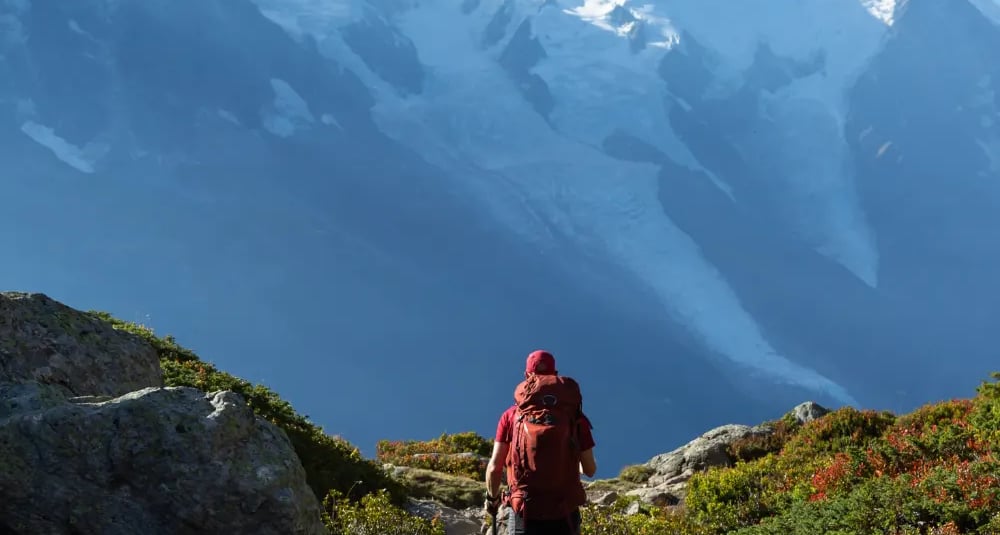
Nestled in the heart of Patagonia, Torres del Paine National Park in Chile is a breathtaking destination that beckons adventurers from all over the world. Known for its rugged landscapes, azure lakes, and iconic granite peaks, Torres del Paine offers a unique and exhilarating experience for those who dare to explore its trails. This blog will delve into the wonders of climbing in this mesmerizing region, providing insights, tips, and answers to frequently asked questions to help you make the most of your journey.
The Magic of Torres del Paine
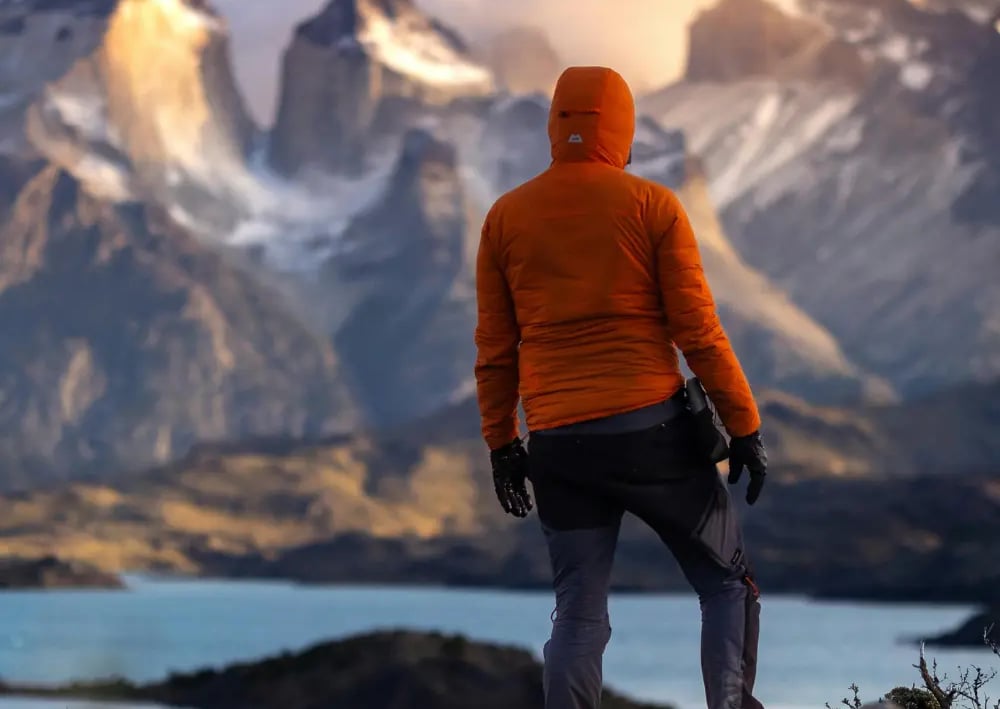
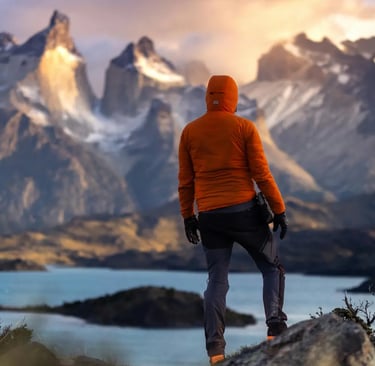
Torres del Paine, a UNESCO Biosphere Reserve, spans over 700 square miles and boasts an incredibly diverse ecosystem. The park's most famous feature is the three granite towers, or "torres," which give the park its name. These majestic formations, reaching up to 2,500 meters, are a hiker's dream and a photographer's paradise.
A Hiker's Paradise
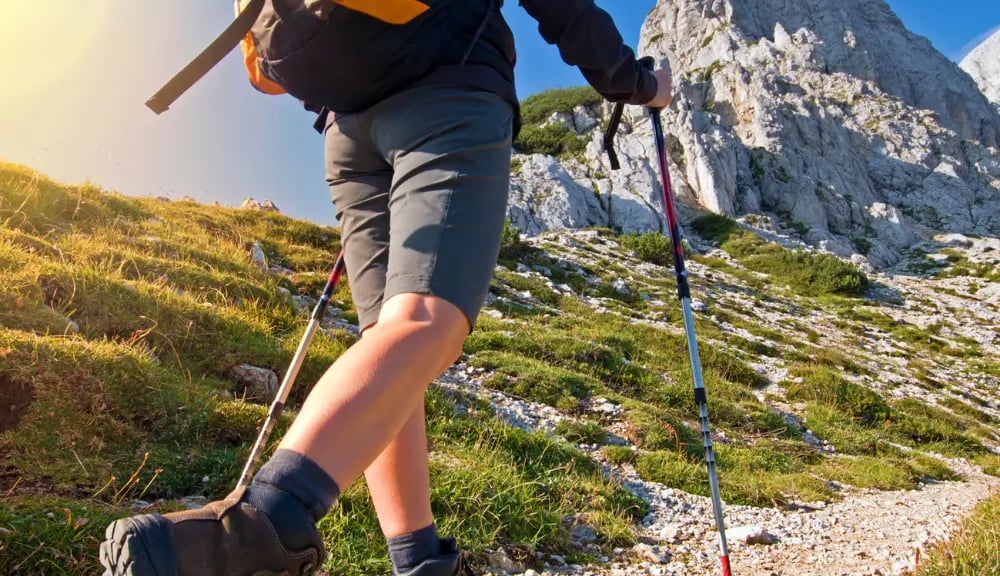
Hiking in Torres del Paine is an unforgettable experience, offering a range of trails that cater to both novice and experienced hikers. The park's diverse terrain includes everything from gentle hills to challenging paths, providing an array of options for adventure seekers. The most popular hiking trails include the Ascencio Valley, French Valley, and the base of the Torres themselves.
Preparing for the Hike
Before embarking on your hiking adventure, it's essential to prepare adequately. Here are a few key considerations:
Physical Fitness: Hiking in Torres del Paine requires a good level of fitness. It's advisable to engage in regular cardiovascular and strength training exercises before your trip.
Gear: Ensure you have the necessary hiking gear, including appropriate footwear, clothing for varying weather conditions, and a backpack.
Guides: Hiring a local guide can enhance your experience, providing valuable insights into the region's history, wildlife, and hiking techniques.
Permits: Check the park's regulations and obtain any necessary permits before your hike.
The Hiking Experience
Ascencio Valley
One of the most popular trails for hikers is the Ascencio Valley, which leads to the base of the Torres. This trail offers stunning views of the surrounding landscapes and is a moderately challenging hike that takes approximately 8-10 hours round trip. The reward is a breathtaking view of the towers reflected in the glacial lake below.
French Valley
The French Valley is another spectacular hiking destination within the park. This route offers a more challenging hike but rewards adventurers with panoramic views of the Paine Massif and the surrounding glaciers. The hike through the French Valley is approximately 12-14 hours round trip and is best enjoyed over two days.
The Base of the Torres
For those seeking an ultimate challenge, hiking to the base of the Torres is a must. This demanding trek takes hikers up steep inclines and rocky terrain, requiring endurance and determination. The view from the top is nothing short of awe-inspiring, with the towers looming majestically against the sky.
Pro Tips for Hiking in Torres del Paine
Start Early: Begin your hike early in the morning to avoid crowds and make the most of daylight hours.
Weather Watch: The weather in Patagonia can be unpredictable. Always check the forecast and be prepared for rapid changes.
Stay Hydrated: Keep a water bottle handy and drink regularly to stay hydrated during your hike.
Respect Nature: Follow Leave No Trace principles to preserve the natural beauty of the park.
FAQs
1. When is the best time to hike in Torres del Paine?
The best time to hike in Torres del Paine is during the Patagonian summer, from December to February. The weather is milder, and the days are longer, providing optimal hiking conditions.
2. Do I need a guide to hike in Torres del Paine?
While it's not mandatory to have a guide, hiring one is highly recommended, especially for those unfamiliar with the area. A guide can enhance your safety and offer valuable insights into the park's features.
3. What should I pack for a hiking trip in Torres del Paine?
Pack essentials such as sturdy hiking boots, weather-appropriate clothing, a map, compass, water bottle, snacks, and a first-aid kit. Don't forget your camera to capture the stunning scenery!
4. Are there any age restrictions for hiking in Torres del Paine?
There are no specific age restrictions, but hikers should be in good physical condition and prepared for strenuous activity.
5. How challenging is the hike to the base of the Torres?
The hike to the base of the Torres is considered challenging due to its steep inclines and rocky terrain. It requires good physical fitness and endurance.
6. Can I camp in Torres del Paine?
Yes, there are several designated campsites within the park. It's important to book your campsite in advance, especially during peak season.
7. What wildlife might I encounter while hiking?
Torres del Paine is home to a variety of wildlife, including guanacos, foxes, and the elusive puma. Birdwatchers will also delight in spotting condors and other bird species.
8. How can I ensure my safety while hiking?
Ensure your safety by preparing adequately, checking weather conditions, staying on marked trails, and considering hiring a guide for added support.
Conclusion
Hiking in Torres del Paine is a once-in-a-lifetime experience that offers breathtaking views and a profound connection with nature. Whether you're a seasoned hiker or a beginner eager to explore, the park's diverse terrain and stunning landscapes promise an adventure you'll never forget. With the right preparation and respect for the environment, your hike in Torres del Paine will be a memorable and rewarding journey into the heart of Patagonia.
Connect
Join us for travel tips and destination insights.
© 2026. All rights reserved.
Affiliate disclaimer
This website contains affiliate links. If you purchase through these links, we may earn a commission at no extra cost to you.