
Hidden Hiking Trails in the Dolomites, Italy: 4 Secret Routes for True Explorers
Explore four hidden hiking trails in the Dolomites, Italy — quiet paths, breathtaking views, and authentic alpine adventures beyond the crowds.
11/1/20255 min read
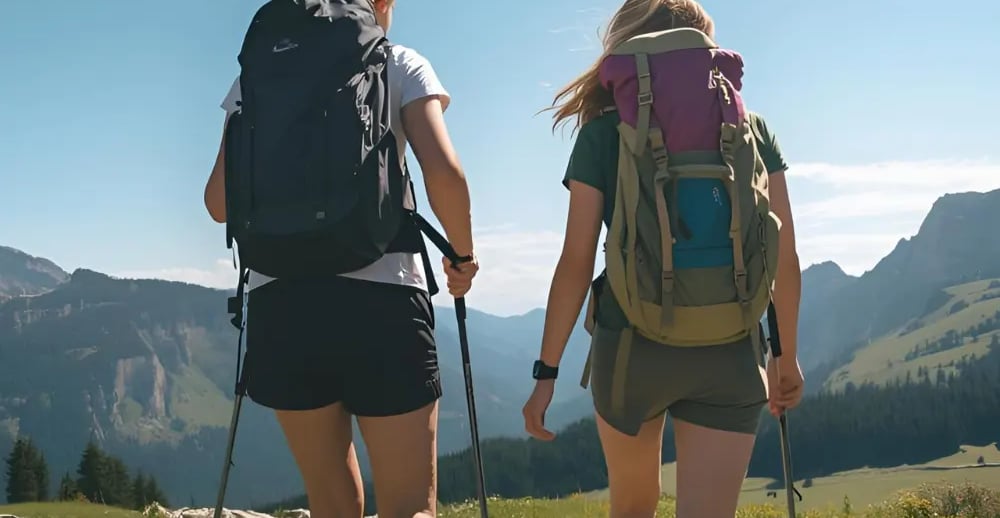
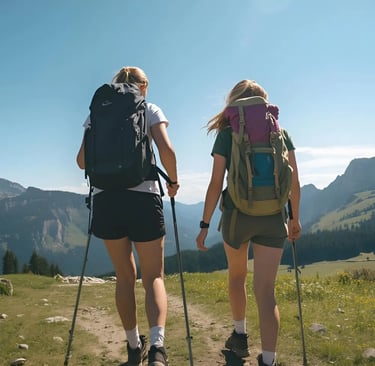
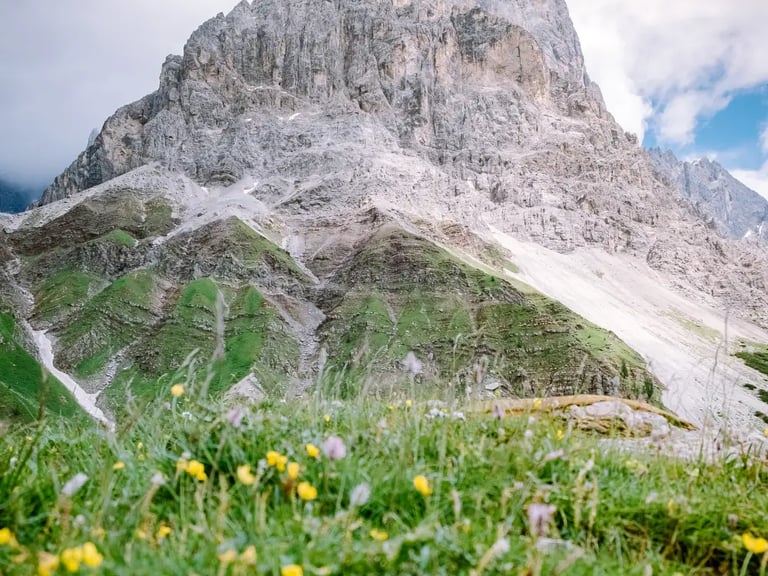
The Dolomites, a UNESCO World Heritage treasure in northern Italy, are world-famous for their dramatic limestone peaks, alpine meadows, and picturesque valleys. Yet, beyond the busy trails around Tre Cime di Lavaredo and Lago di Braies, a quieter, more authentic Dolomites experience awaits — where serenity, adventure, and raw beauty converge.
If you’ve been dreaming of escaping the crowds and hiking paths less traveled, here are four hidden trails that capture the soul of the Dolomites while offering a deeper connection with nature.
1. Adolf Munkel Trail – The Fairytale Forest of Val di Funes
Location: Val di Funes, South Tyrol
Length: 9 km round trip
Difficulty: Moderate
Time: 3–4 hours
Nestled at the base of the Geisler/Odle mountain range, the Adolf Munkel Trail is one of the Dolomites’ best-kept secrets. Starting near the Zannes car park, this loop winds through fragrant pine forests, open meadows, and rustic alpine huts.
The towering Odle peaks rise dramatically ahead, their jagged silhouettes reflected in the morning mist — a sight that feels almost otherworldly. Along the way, you’ll find cozy malgas (mountain huts) serving fresh cheese, strudel, and coffee with views that stop time.
Why it’s special:
While Tre Cime attracts crowds, Adolf Munkel offers peace, intimacy, and cinematic landscapes perfect for photography and mindful hiking. It’s a trail that reminds you why slow travel matters.
2. Sentiero Bonacossa – The Hidden Balcony of Cadini di Misurina
Location: Near Lake Misurina, Veneto
Length: 12 km one way
Difficulty: Challenging
Time: 5–6 hours
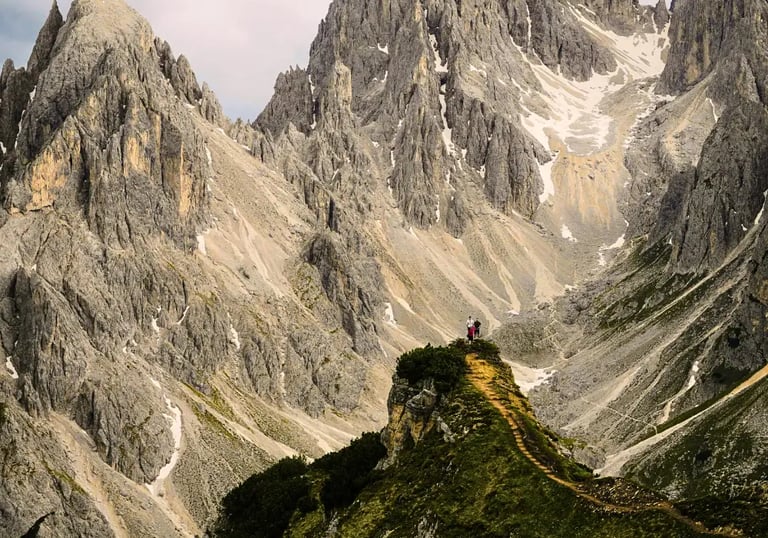
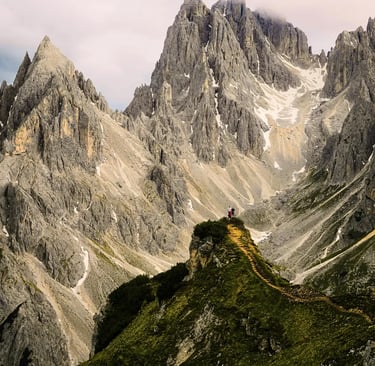
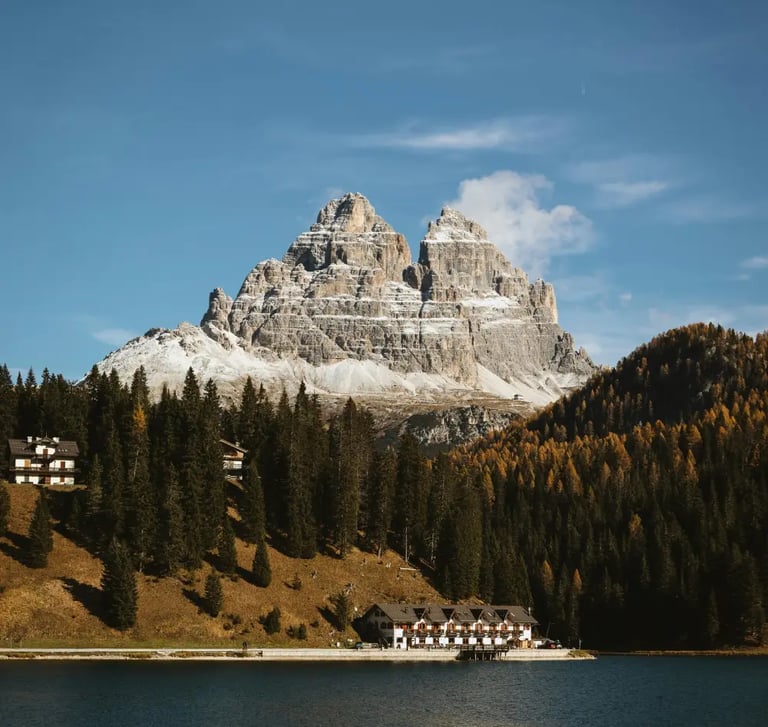
The Bonacossa Trail weaves through the surreal spires of Cadini di Misurina — one of the Dolomites’ most photogenic but lesser-known mountain groups. Starting at Rifugio Auronzo, the trail traverses narrow ledges, ladders, and rocky passages that make every step a thrill.
The views? Absolutely staggering. You’ll witness endless ridges rolling into the horizon, with Tre Cime di Lavaredo glowing in the distance.
Pro Tip: Bring a via ferrata kit or go with a local mountain guide if you’re not comfortable with exposed sections. The reward is complete solitude and panoramas that few ever see.
Why it’s special:
Sentiero Bonacossa combines adventure, technical climbing, and serenity — an unforgettable route for seasoned hikers craving authenticity.
3. Viel del Pan Trail – Marmolada’s Scenic Balcony
Location: Between Passo Pordoi and Lago di Fedaia
Length: 8 km one way
Difficulty: Easy to moderate
Time: 3 hours
Literally translating to “The Bread Trail,” Viel del Pan traces an ancient mule route connecting the valleys of Fassa and Fedaia. It’s one of those hikes that balances comfort and beauty perfectly — no need for ropes or gear, just strong legs and curiosity.
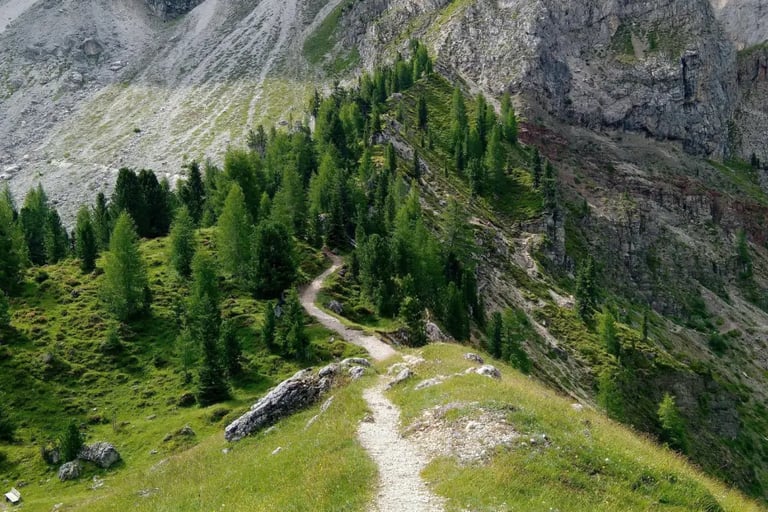
Starting from Passo Pordoi, the path gently contours the mountainside, offering ever-changing views of the Marmolada Glacier, the highest peak in the Dolomites. You’ll pass through green pastures, dotted with alpine flowers and grazing cows, before reaching Rifugio Viel del Pan, where the panorama literally takes your breath away.
Pro Tip: Hike it during late afternoon golden hour — the sunlight turns Marmolada’s snowy crown into liquid gold.
Why it’s special:
Perfect for beginner to intermediate hikers who want dramatic scenery without technical difficulty. Peaceful, photogenic, and authentically alpine.
4. Val Venegia & Baita Segantini Trail – The Quiet Soul of Pale di San Martino
Location: Paneveggio Natural Park, Trentino
Length: 10 km round trip
Difficulty: Moderate
Time: 3–4 hours
Hidden in the lush Val Venegia, this trail leads you through meadows, bubbling streams, and pine forests toward the legendary Baita Segantini, a mountain hut perfectly framed by the Pale di San Martino massif.
The setting feels untouched — wildflowers sway in the wind, and the dramatic peaks reflect perfectly in the small alpine pond beside the hut. It’s a painter’s dream and one of the quietest scenic walks in all the Dolomites.
Pro Tip: Visit during sunset when the Pale di San Martino glows pink and orange (the famous “Enrosadira” effect). Bring a tripod if you’re into photography — the light show lasts only minutes.
Why it’s special:
A mix of serenity, accessible hiking, and spectacular views — this trail captures the Dolomites’ poetic side.
Pro Tips for Exploring Hidden Trails in the Dolomites
🕒 Start early: Morning light is magical and trails are quieter.
🧭 Download offline maps: Cellular service is limited; use Komoot or AllTrails.
💧 Carry enough water: Not all trails have refill points.
🏔️ Check weather forecasts: Sudden storms are common in summer.
🚗 Stay nearby: Base yourself in Val di Funes, Canazei, or San Martino di Castrozza for easy access to these routes.
📸 Golden hour rules: The Dolomites are breathtaking at sunrise and sunset — plan accordingly.
FAQ – Hiking the Hidden Dolomites
1. Are these trails suitable for beginners?
Yes — except Sentiero Bonacossa, which requires some experience with rocky, exposed sections. The others are moderate and well-marked.
2. Do I need a guide for these hikes?
Not necessarily. However, for Bonacossa or if you’re new to via ferrata terrain, hiring a certified guide is a smart safety choice.
3. Can I hike these trails in one day?
Absolutely. Each trail can be done as a half-day or full-day adventure, depending on your pace and photography stops.
4. What’s the best month for hiking in the Dolomites?
Late June through mid-September offers the best weather, open rifugios, and snow-free paths.
5. Are there places to eat along the trails?
Yes. Most routes feature cozy mountain huts (rifugios) serving local dishes like polenta, cheese, and apple strudel.
6. Are dogs allowed on these trails?
Yes, leashed dogs are generally welcome, but check local park rules and be mindful of wildlife.
7. How crowded are these “hidden” trails?
Compared to Tre Cime or Lago di Braies, these paths are peaceful and lightly trafficked — especially early morning or weekdays.
8. Do I need special permits to hike in the Dolomites?
No permits are required for day hikes. Just pack responsibly and follow Leave No Trace principles.
Final Thoughts
The Dolomites reward those who wander off the beaten path. These four hidden trails — from Val di Funes to Pale di San Martino — remind us that adventure isn’t about the most famous destination, but about discovery, silence, and connection with the wild.
So lace up your boots, breathe in the mountain air, and let the Dolomites show you their quieter, more soulful side.
Connect
Join us for travel tips and destination insights.
© 2026. All rights reserved.
Affiliate disclaimer
This website contains affiliate links. If you purchase through these links, we may earn a commission at no extra cost to you.