
Harajuku & Takeshita Street Guide 2025 – Exploring Tokyo’s Icon of Kawaii Culture
Discover Harajuku, Tokyo’s legendary fashion district. Explore Takeshita Street, Japanese kawaii culture, cute cafés, boutiques, and travel tips for your Harajuku itinerary.
11/23/20256 min read
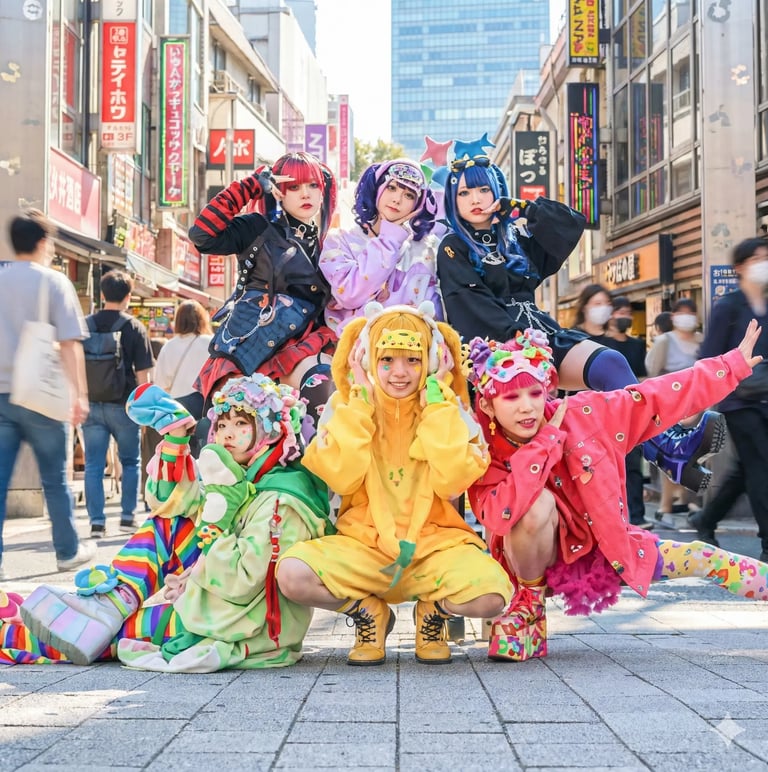
Harajuku & Takeshita Street: Kawaii Culture Lives On
Tokyo is a city that constantly reinvents itself, yet few neighborhoods capture its creative heartbeat quite like Harajuku. Known worldwide for kawaii culture, street fashion, and youth-driven creativity, Harajuku isn’t just a shopping area — it’s a movement, an ever-evolving expression of individuality.
At its core is Takeshita Street, a colorful stretch lined with trendsetting boutiques, quirky cafés, and artistic chaos that somehow works perfectly. It’s both nostalgic and new — a place where Japan’s boldest cultural experiment continues to thrive.
This Harajuku & Takeshita Street guide dives into the district’s history, its iconic Tokyo fashion scene, and how kawaii culture continues to shape Japan and the world in 2025.
🌈 Takeshita Street: The Heart of Harajuku
Step out of Harajuku Station, and the first thing you’ll see is the famous Takeshita Street arch, often surrounded by groups of teenagers, photographers, and tourists buzzing with excitement. This 350-meter stretch is where the pulse of Harajuku beats loudest.
Here’s what makes it iconic:
🎽 Fashion & Street Style
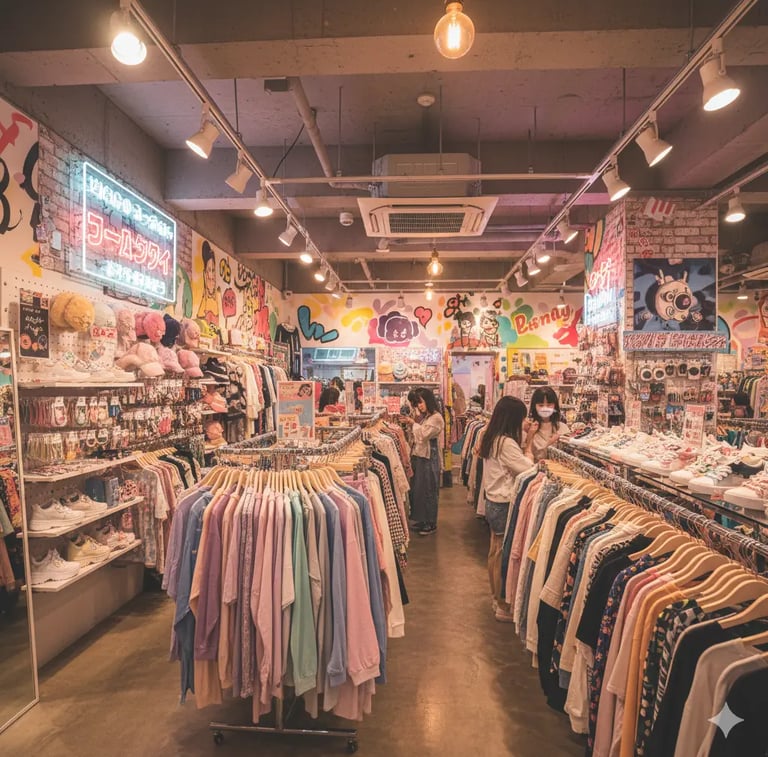
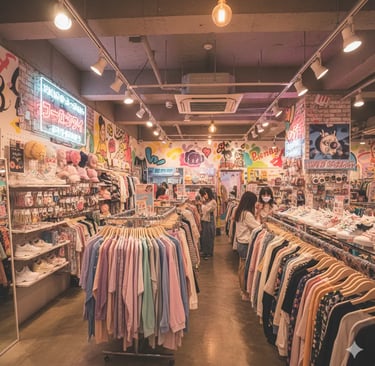
Takeshita Street is the epicenter of Tokyo street style. From vintage stores to kawaii boutiques, this is where individuality reigns. Visitors can explore shops overflowing with pastel dresses, graphic tees, accessories shaped like everything from strawberries to sushi, and the latest trends in Tokyo fashion districts.
Notable spots include:
WEGO Harajuku – A Japanese fast-fashion brand that perfectly blends cute and edgy aesthetics.
6%DOKIDOKI – The colorful boutique founded by Sebastian Masuda, known for defining modern kawaii fashion.
BODYLINE – A budget-friendly go-to for Lolita enthusiasts and cosplay fans.
Closet Child – A dream for vintage clothing lovers, offering secondhand Vivienne Westwood and Harajuku-style treasures.
Walking down Takeshita feels like stepping into a real-life mood board — eye-catching, over-the-top, and endlessly photogenic.
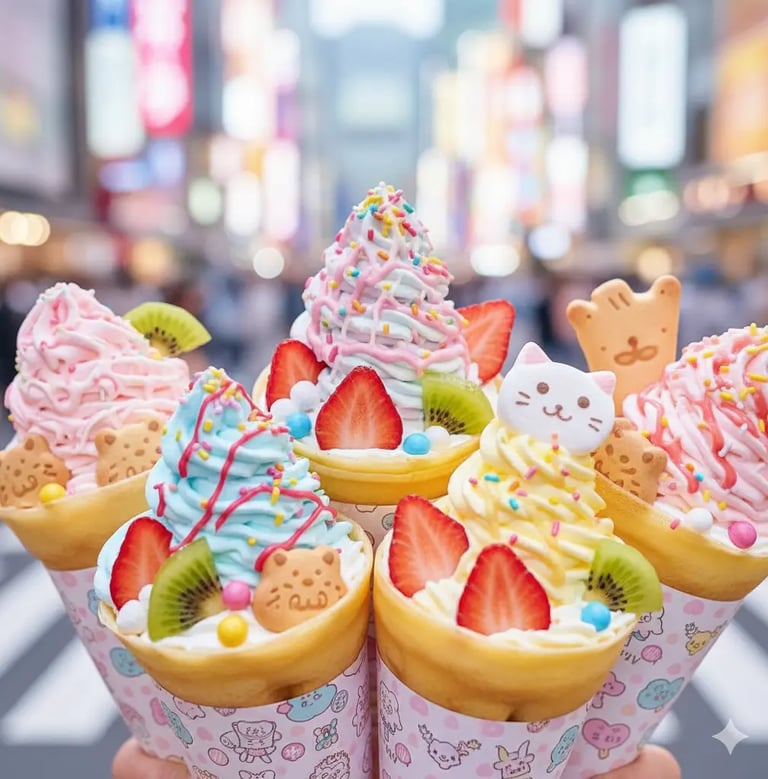
🍡 Street Food Paradise
Fashion isn’t the only indulgence here. Takeshita Street is equally famous for its whimsical street food. Try:
Marion Crêpes – Serving Tokyo’s most iconic sweet crêpes since the 1970s.
Totti Candy Factory – Giant rainbow cotton candy so big it’s practically a prop for photos.
Calbee+ – Freshly fried potato chips flavored with wasabi or butter honey.
Eddy’s Ice Cream – The ultimate pastel aesthetic, perfect for a Pinterest travel inspiration post.
The fun isn’t just in eating — it’s in the visual spectacle. Every bite looks like it belongs on your social feed.
📸 Influencers & Youth Culture
Takeshita Street has always been about youth empowerment. In the 2000s, Tokyo teens defined global street fashion right here. Today, Gen Z content creators continue that legacy, turning Harajuku into a backdrop for creative videos, photoshoots, and micro-trends that echo worldwide.
It’s a place that never goes out of style — it just reinvents what “style” means.
💖 The Evolution of Kawaii Culture in 2025
“Kawaii” once meant simply “cute.” In 2025, it’s a complex cultural phenomenon — a blend of nostalgia, self-expression, and positivity that resonates globally.
From Subculture to Social Statement
In post-2000s Japan, kawaii evolved beyond fashion. It became a rejection of pressure — a way to reclaim individuality in a conformist society. Today, kawaii represents empowerment and emotional authenticity.
Modern creators blend kawaii aesthetics with streetwear, sustainability, and inclusivity. On Takeshita Street, you’ll now see pastel punk styles, gender-neutral fashion, and repurposed vintage. It’s a place where old meets new, tradition meets rebellion.
Kawaii Goes Global
The aesthetic of Harajuku-inspired fashion now dominates influencer culture, from Pinterest boards to TikTok streetwear trends. Yet its heart remains in Tokyo, where kawaii continues to inspire joy through color, quirk, and kindness.
🏬 Key Landmarks & Must‑Visit Spots in Harajuku
Beyond Takeshita, Harajuku Tokyo offers endless corners worth exploring.
🛍️ Laforet Harajuku
This iconic shopping complex is a mecca for avant-garde Japanese fashion. Housing indie designers, concept pop-ups, and art installations, Laforet bridges underground culture with modern retail luxury.
🌸 Meiji Shrine
A complete shift in energy — serene, sacred, and shaded by towering trees. This Shinto shrine, just steps from Takeshita Street, offers a spiritual contrast to Harajuku’s vibrant chaos.
☕ Cute & Themed Cafés
Harajuku’s themed café culture is legendary — equal parts creative and Instagram-ready:
Kawaii Monster Café (if reopened) – A psychedelic dining experience designed by Sebastian Masuda.
Café Reissue – Known for jaw-dropping 3D latte art.
Eddy’s Ice Cream or Café de Miki – Perfect for pastel-toned Pinterest travel boards.
🎨 Cat Street
Running parallel to Omotesandō, Cat Street connects Harajuku and Shibuya, blending streetwear boutiques, vintage stores, and concept cafés. It’s less crowded than Takeshita but equally stylish — a must for mature travelers exploring cool places in Tokyo.
🎧 Pop Culture Shops
For collectible lovers, head to Kiddy Land — a multi-floor store selling everything from Rilakkuma plushies to Studio Ghibli souvenirs. Or explore Harajuku Alta for quirky accessories and artist merchandise.
🚉 Travel Tips – How to Visit Harajuku Like a Local
How to Get There
By Train: Take the JR Yamanote Line to Harajuku Station — Takeshita Street is right outside the main exit.
By Metro: Take the Tokyo Metro Chiyoda or Fukutoshin Line to Meiji-jingumae Station, which connects directly to Harajuku’s central intersection.
Best Time to Visit
The best time to visit Harajuku is on weekends between late morning and afternoon. That’s when Takeshita Street buzzes with energy, performers, and local teens showing off their style.
For fewer crowds, visit early on weekdays — many shops open around 10:30–11:00 AM.
Budget Tips
Despite its reputation, Harajuku isn’t only for luxury shoppers. You can enjoy the full kawaii experience on any budget:
Street food averages ¥500–1,000 per snack.
Boutiques like WEGO and Spinns offer fashion finds under ¥3,000.
Vintage shops and thrift stores often have rare gems for less than mainstream malls.
Bring cash — some smaller vendors and cafés still don’t accept cards.
Things to Do in Harajuku Beyond Shopping
Street Photography: Capture snapshots of Tokyo’s most photogenic crowd. Every corner offers color palettes and textures made for Pinterest.
Pop-Up Events: Seasonal displays, anime collaborations, or themed shops frequently appear, staying true to Harajuku’s ever-evolving nature.
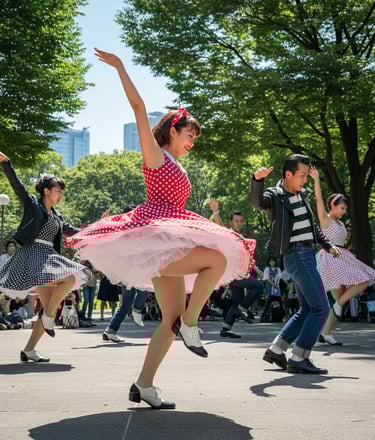
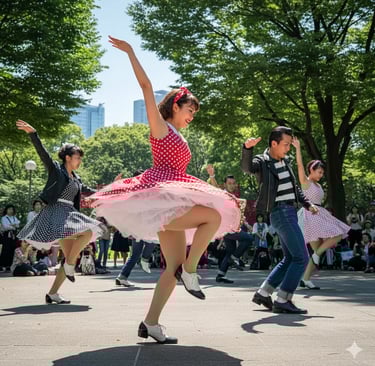
Harajuku Sundays: Watch the Harajuku rockabilly dancers in nearby Yoyogi Park — a weekend tradition that’s pure throwback fun.
Harajuku is more than a destination. It’s an experience that constantly renews itself.
💌 Why Harajuku Still Matters
In a world where trends flash by on social media, Harajuku’s style endures because it’s never about perfection — it’s about passion. It reminds us that fashion is freedom, and cuteness can be radical.
Harajuku has grown up, but its youthful heart remains the same. Takeshita Street still buzzes with laughter, vibrant colors, and unfiltered self-expression. Whether you come for shopping, photography, or cultural exploration, things to do in Harajuku never run out — every visit feels new.
And maybe that’s Harajuku’s greatest secret: in celebrating what’s “kawaii,” it celebrates being fearlessly yourself. 🌸
FAQ – Harajuku & Takeshita Street
1. What is Harajuku best known for?
Harajuku is famous for its vibrant youth culture, eclectic street fashion, and the global rise of kawaii aesthetics. It’s one of Tokyo’s most influential cultural districts.
2. What makes Takeshita Street so popular?
Takeshita Street attracts millions of visitors thanks to its colorful boutiques, unique fashion shops, themed cafés, and affordable street food that defines the kawaii lifestyle.
3. Is Harajuku still popular in 2025?
Yes. Harajuku remains a cultural hotspot, with evolving fashion trends, new concept stores, and a steady flow of local and international visitors.
4. What can I eat on Takeshita Street?
Popular treats include crepes, cotton candy, bubble tea, Japanese street snacks, and kawaii-themed desserts found only in Harajuku.
5. How do I get to Harajuku?
Harajuku is easily accessible via JR Yamanote Line (Harajuku Station) or Tokyo Metro Chiyoda/Fukutoshin Line (Meiji-Jingumae Station).
6. What is the best time to visit?
Weekdays in the late morning are ideal to avoid heavy crowds. Spring and autumn offer the most comfortable weather conditions.
7. Are there must-visit shops or attractions?
Key highlights include Laforet Harajuku, Cat Street, themed cafés, vintage boutiques, and exclusive pop culture stores.
Connect
Join us for travel tips and destination insights.
© 2026. All rights reserved.
Affiliate disclaimer
This website contains affiliate links. If you purchase through these links, we may earn a commission at no extra cost to you.