
Sailing with Purpose: Discovering Puglia's Coast Through Sustainable Travel
Discover sustainable travel in Puglia with eco friendly boat tours in Monopoli. Explore clean seas, hidden caves, and conscious coastal experiences.
DAY TRIPS
DestinationDiscover
5/1/20266 min read
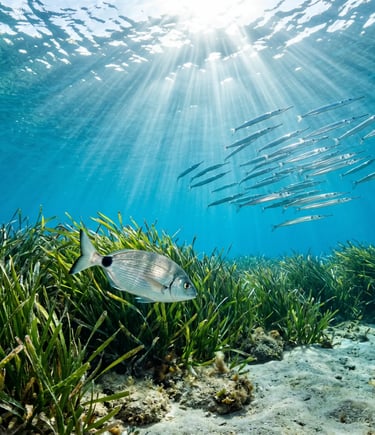
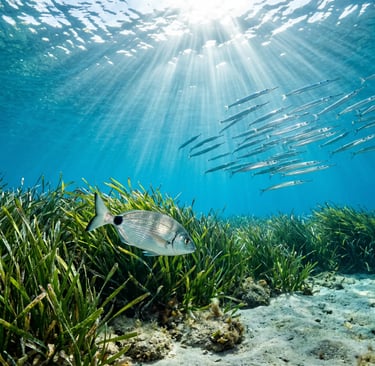
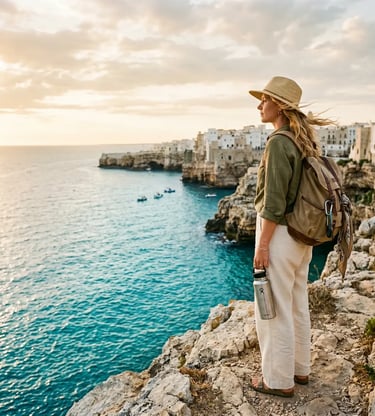
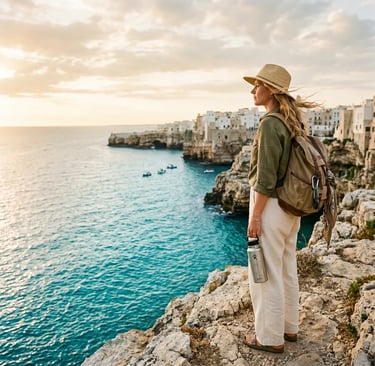
There is a moment, just after sunrise along Puglia's Adriatic coastline, when the water turns the color of liquid turquoise and the limestone cliffs glow gold. It is the kind of beauty that asks something of you in return. Travel here long enough, and you begin to understand that the most meaningful way to experience this corner of southern Italy is not to take from it, but to move through it gently, with intention and care.
Sustainable travel Italy has long been associated with Tuscan agriturismos and slow food traditions, but a quieter, equally compelling movement is taking shape along the heel of the boot. In small harbor towns from Polignano a Mare to Otranto, a new generation of skippers, fishermen, and family-run cooperatives are reimagining what it means to explore the coast. Nowhere is this more visible than on an eco friendly boat tour Puglia travelers can now book without compromise, where electric or hybrid vessels glide silently across sea caves once choked by diesel fumes and crowded flotillas.
Monopoli, the working port town just south of Bari, has become an unlikely capital of this shift. Once known mainly to Italians as a fishing hub and quiet alternative to its more photographed neighbors, Monopoli is now a model for green tourism Monopoli initiatives that other coastal destinations are beginning to copy. Local operators have replaced loud motorboats with low-emission catamarans and traditional wooden gozzi refitted with solar panels. Tour groups are kept small, swimming stops are rotated to allow seagrass meadows to recover, and anchors are dropped only on sandy patches, never on the fragile Posidonia beds that nurse Mediterranean fish populations. These details may sound technical, but on the water they translate into something simple and profound: the sea feels alive again.
To experience a clean sea here is to remember what coastal travel was always meant to be. Snorkeling beside the limestone arches of the Costa di Monopoli, you can count sea urchins, watch saddled bream dart between rocks, and follow the silver flash of needlefish near the surface. The water clarity is not an accident. It is the result of conscious choices being made onshore and offshore: bans on single-use plastics aboard, refillable water stations at every port, marine protected areas patrolled by local volunteers, and tour guides who double as citizen scientists, logging sightings of seahorses and noble pen shells for university research programs.
What makes this kind of travel so quietly transformative is that it asks you to participate. You are not a passive consumer of a postcard view. You are invited to listen to the boat's captain explain why the engine is cut in certain coves, to swim instead of jet-ski, to eat the day's catch from a fisherman whose grandfather worked the same waters. Conscious travel in Puglia is less a checklist and more a posture, a willingness to slow down, ask questions, and let the rhythm of the place set the agenda.
This matters because the Mediterranean is one of the most stressed seas on the planet, warming faster than the global average and absorbing waste from three continents. Choosing operators who carry blue flag certifications, who hire local crews, who limit group sizes, and who reinvest in coastal cleanups is not a marketing preference. It is a vote for the kind of coastline that will still exist for the next generation of travelers, and for the Pugliesi who call it home.
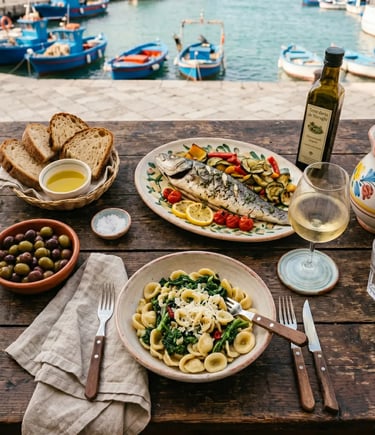
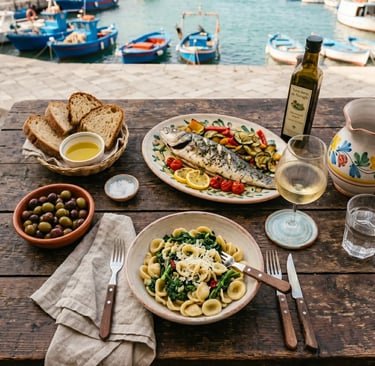
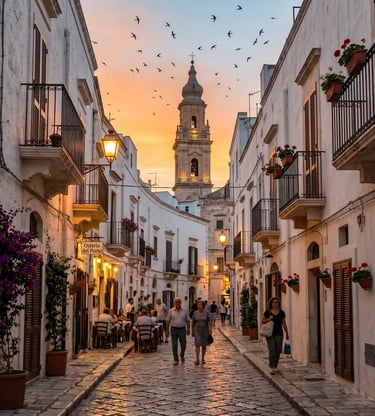
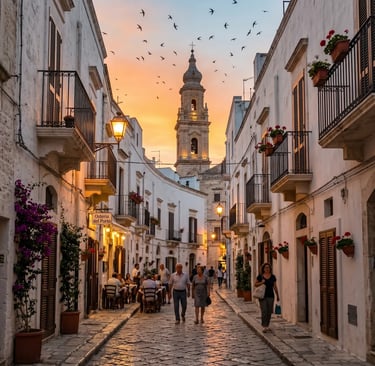
So pack lightly. Bring reef-safe sunscreen, a refillable bottle, and a willingness to be moved. Spend a morning on a small electric boat slipping in and out of sea caves. Share an evening meal of orecchiette and grilled fish at a family trattoria steps from the harbor. Walk the old town of Monopoli at dusk, when the swallows wheel above the cathedral and the day fades into apricot light.
Travel here with purpose, and Puglia gives back tenfold. The sea stays clean, the fishermen keep fishing, the cliffs keep glowing at dawn, and you leave with something far better than a souvenir: the quiet knowledge that you were a guest worthy of the place.
Frequently Asked Questions About Sustainable Travel in Puglia
What makes a boat tour in Puglia truly eco friendly?
An eco friendly boat tour in Puglia goes far beyond marketing language. It involves the use of low-emission, electric, or hybrid vessels that minimize noise and water pollution, allowing marine ecosystems to thrive undisturbed. Reputable operators also limit group sizes, avoid anchoring on protected Posidonia seagrass meadows, and ban single-use plastics on board.
Beyond the technical aspects, genuine sustainability includes hiring local crews, partnering with marine biologists, and contributing to coastal cleanup initiatives. When booking, look for blue flag certifications, transparent environmental policies, and tours that actively educate guests about the fragile Adriatic ecosystem rather than treating the sea as a backdrop.
The best operators in Monopoli and along the Puglia coastline see themselves as stewards of the sea, not just service providers. Choosing one of these tours ensures your travel experience supports both environmental preservation and the local communities who have called these waters home for generations.
Why is Monopoli considered a leader in green tourism?
Monopoli has emerged as a quiet pioneer of green tourism in southern Italy thanks to a combination of community-driven initiatives and forward-thinking local operators. The town has embraced small-scale, low-impact tourism models that prioritize quality over volume, creating an experience that benefits both visitors and residents alike.
Local cooperatives have invested in solar-powered traditional boats, refillable water stations across the port, and marine protected zones monitored by volunteer groups. This grassroots approach has transformed Monopoli from a quiet fishing town into a model that other Mediterranean destinations are beginning to replicate.
What sets Monopoli apart is the cultural commitment behind the infrastructure. Restaurants source from local fishermen, guides log marine life sightings for research programs, and tour operators reinvest profits into coastal preservation. It is sustainability woven into daily life, not added as an afterthought.
When is the best time to visit Puglia for sustainable travel experiences?
The shoulder seasons of late April to early June and September to mid-October are ideal for sustainable travel in Puglia. During these months, the weather remains warm and the sea is perfect for swimming and boat tours, but visitor numbers are significantly lower than the peak July and August rush. This reduces pressure on local infrastructure, beaches, and marine ecosystems.
Traveling outside peak season also means smaller tour groups, more meaningful interactions with local guides, and a genuine sense of discovery in towns like Monopoli, Polignano a Mare, and Otranto. You will find easier access to family-run trattorias, quieter coastal paths, and boat tours where the crew has time to share stories and knowledge.
Additionally, off-peak travel supports the local economy year-round rather than concentrating income into two crowded months. This helps small businesses, fishermen, and eco-conscious operators remain viable, ensuring that sustainable tourism in Puglia continues to grow and thrive for years to come.
How can travelers reduce their environmental impact while exploring the Puglia coast?
Conscious travel in Puglia begins with simple, intentional choices. Bring a refillable water bottle, pack reef-safe sunscreen, and choose accommodations that demonstrate genuine environmental commitments such as renewable energy use, water conservation, and partnerships with local producers. Avoid single-use plastics whenever possible and dispose of waste responsibly, especially near coastal areas.
Choosing how you move through the region matters just as much. Opt for slower forms of travel like walking the old town of Monopoli, cycling between coastal villages, or taking regional trains rather than renting a car. When booking experiences, prioritize small-group tours led by local guides who have a vested interest in protecting the landscape and culture.
Finally, embrace the philosophy of taking only memories and leaving only gratitude. Eat at family-run restaurants, buy crafts directly from artisans, and engage respectfully with local traditions. Sustainable travel is ultimately about being a thoughtful guest, recognizing that the privilege of experiencing Puglia's beauty comes with the responsibility of helping preserve it.
Connect
Join us for travel tips and destination insights.
© 2026. All rights reserved.
Affiliate disclaimer
This website contains affiliate links. If you purchase through these links, we may earn a commission at no extra cost to you.