
Camino de Santiago, Spain: Walking the Path of Pilgrims and Self-Discovery
Walk the legendary Camino de Santiago in Spain — a transformative pilgrimage that combines breathtaking landscapes, cultural heritage, and deep self-discovery. Your journey begins with a single step.
DestinatioDiscover
11/5/20258 min read
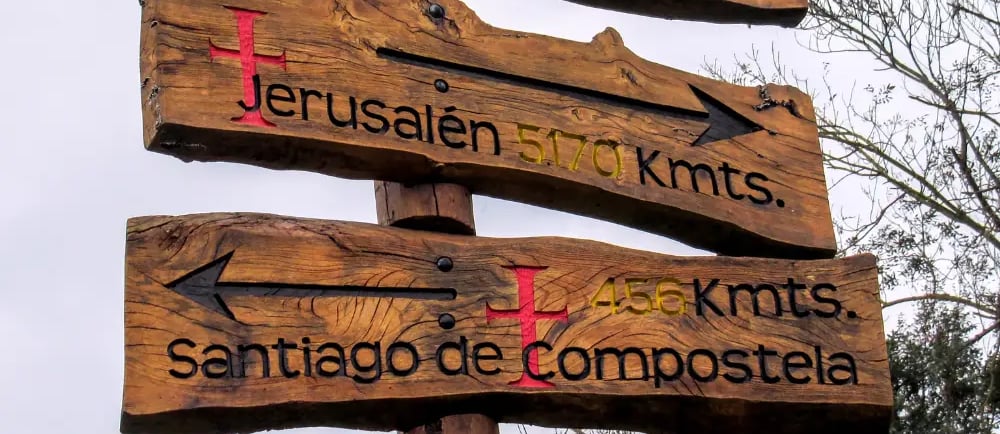
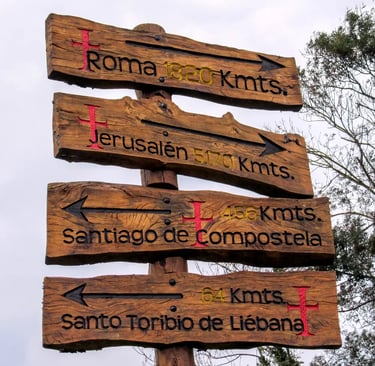
A Journey of the Soul and the Road
Imagine walking beneath the morning mist of the Spanish countryside, the rhythmic sound of your boots on cobblestones echoing like a heartbeat. Around you, sunrise spills over small stone villages, ancient Roman roads, and endless fields of golden wheat. Each step feels both grounding and lifting — a physical act that carries a quiet spiritual pulse. This is the Camino de Santiago, Spain’s most iconic pilgrimage and one of the world’s most profound journeys of self-discovery.
Whether you’re an adventure traveler, a lover of slow travel, or a seeker of meaning, the Camino offers something rare in today’s world: time. Time to think, to connect, and to rediscover what truly matters as you walk toward Santiago de Compostela, the city at the heart of this legendary route.
To walk the Camino is to move through more than just space — it’s to move through centuries of faith, friendship, and transformation.
What Is the Camino de Santiago?
The Camino de Santiago, also known as The Way of St. James, is a centuries-old pilgrimage route that leads to the shrine of St. James the Apostle in Santiago de Compostela, located in Spain’s northwest region of Galicia. Since the Middle Ages, pilgrims — both religious and secular — have crossed mountains, vineyards, and medieval villages to reach this sacred destination.
Traditionally walked in search of spiritual growth or divine forgiveness, the Camino now attracts thousands of travelers each year seeking adventure, reflection, and renewal. Though routes vary, all converge upon Santiago’s ornate Cathedral of Saint James, where the faint scent of incense mingles with centuries of human devotion.
Today, the Spain pilgrimage stands as a UNESCO World Heritage Site and one of Europe’s best-known long-distance trails, blending cultural heritage with the meditative pace of walking in Spain.
The Experience of the Pilgrimage
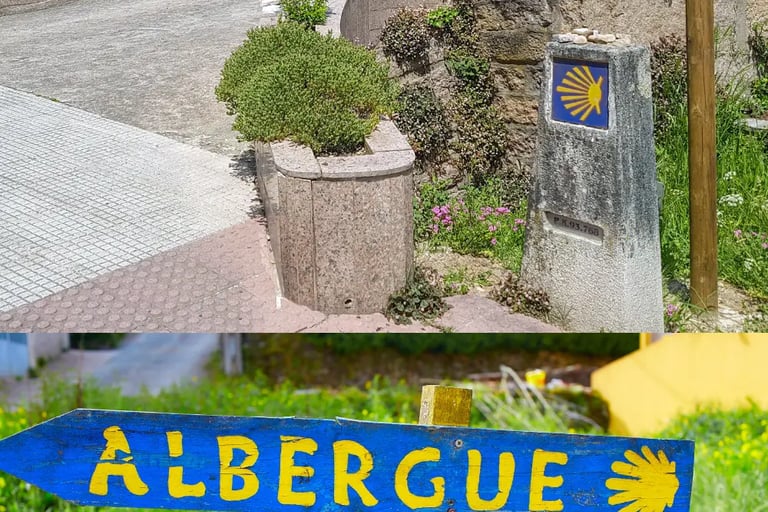
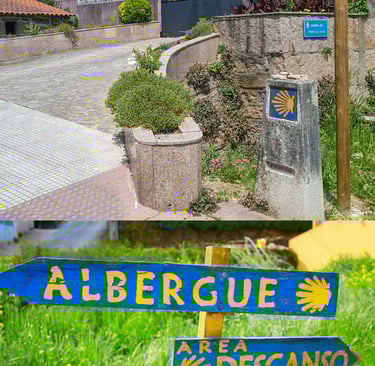
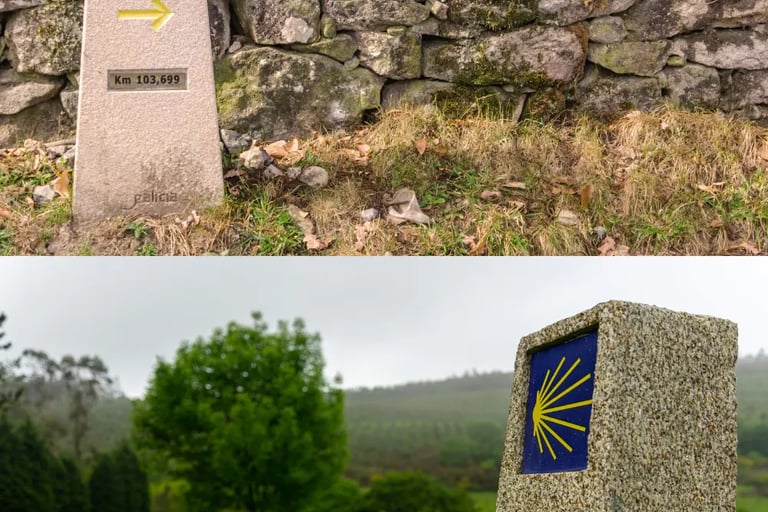
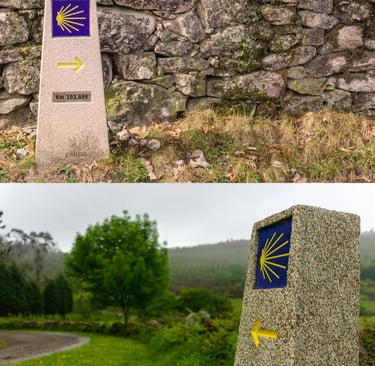
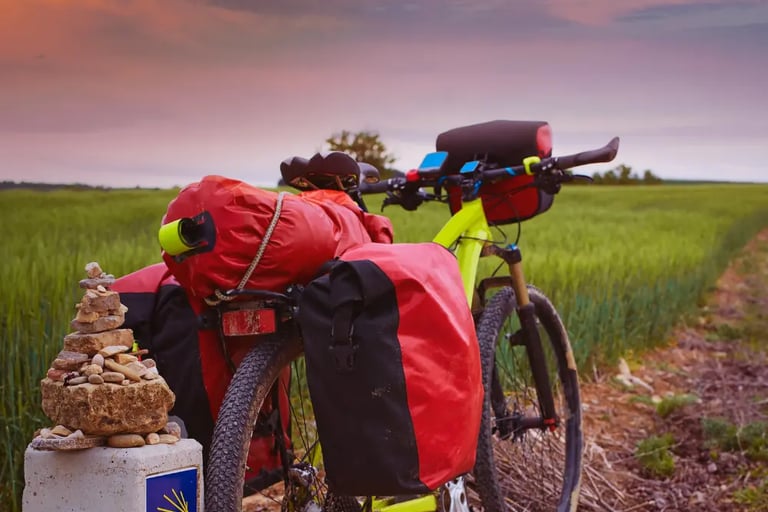
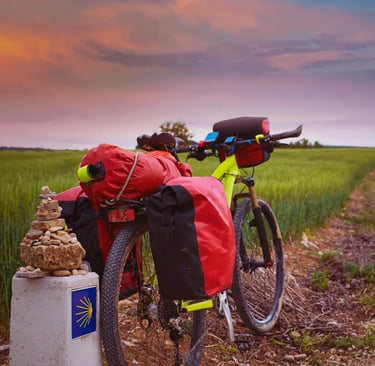
To walk the Camino de Santiago is to enter a rhythm as old as the path itself. You start in the quiet dark before dawn, guided by scallop shell markers that gleam in your headlamp. Around you, Spain awakens softly: roosters crow, cafés open their doors, and the clinking of pilgrim staffs signals the shared ritual of another day on the way.
As the miles accumulate, a subtle transformation begins. The first few days test the body — sore feet, tired shoulders, the weight of your pack. But gradually, something shifts. You slow down. You notice the fragrance of eucalyptus and lavender in Galicia’s green hills, the laughter shared among strangers over vino tinto and tortilla española, and the sound of bells from distant churches marking time.
The Camino is a spiritual journey, but it’s not bound by religion. It’s an invitation to introspection, gratitude, and community. On the trail, conversations with fellow pilgrims — from retirees and teachers to artists, entrepreneurs, and wanderers — often become its own kind of prayer. You share life stories, fears, hopes, and the quiet understanding that comes from walking together toward a common purpose.
Every step takes you not only closer to Santiago, but to your own center
Popular Routes of the Camino de Santiago
No two pilgrimages are ever the same, and the Camino de Santiago offers several distinct routes across Spain and beyond. Each has a different personality — shaped by geography, culture, and the traveler who walks it.
Camino Francés (The French Way)
The Camino Francés is by far the most famous and traditional route, stretching approximately 780 kilometers (485 miles) from Saint-Jean-Pied-de-Port in France to Santiago de Compostela.
It takes around 30–35 days to complete and passes through iconic Spanish regions such as Navarra, La Rioja, Castile and León, and Galicia. Expect varied landscapes — from the Pyrenees Mountains and rolling wheat fields of the Meseta to the misty green forests of Galicia.
It’s the route most travelers picture when they imagine the Camino: vibrant pilgrim towns, centuries-old hostels (albergues), and the camaraderie of countless walkers from every corner of the world.
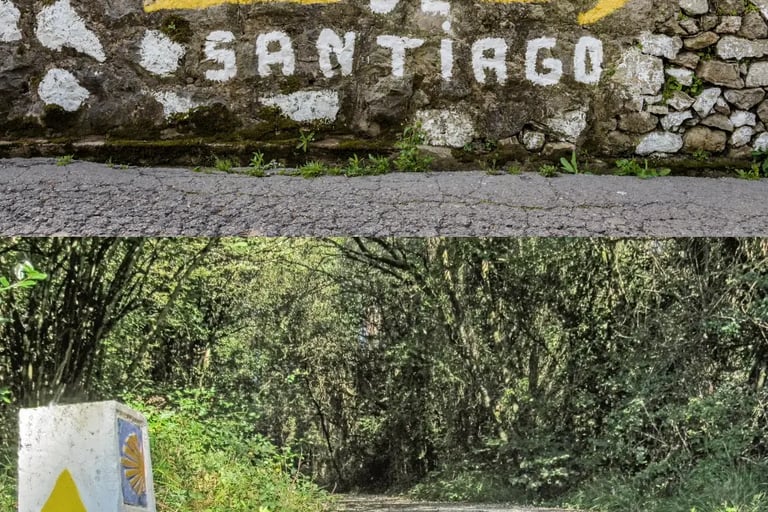
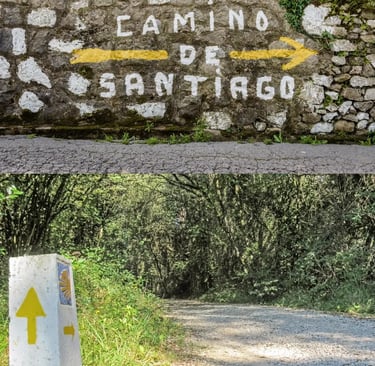
Camino Portugués (The Portuguese Way)
Beginning in Lisbon or Porto, this route traverses beautiful coastal regions and the heart of northern Portugal before crossing into Spain. Slightly shorter and less crowded than the Francés, it’s ideal for those drawn to a blend of culture, seafood, and ocean views.
Camino del Norte (The Northern Way)
Tracing Spain’s northern coastline from San Sebastián to Santiago, the Camino del Norte offers dramatic sea cliffs, Basque villages, and lush Atlantic landscapes. It’s more rugged and less traveled — perfect for hikers seeking solitude and scenic intensity.
Other paths like the Via de la Plata and Camino Primitivo provide equally powerful experiences, connecting through centuries-old Roman trade routes and mountain passes.
Best Time to Walk the Camino
The best time to walk the Camino de Santiago depends on your route, pace, and preference for crowds or solitude.
Spring (April–June): Mild temperatures, wildflowers, and farmers tending their fields make this an idyllic season for walking. Pilgrim numbers increase toward late May but remain manageable.
Summer (July–August): The warmest and busiest months, especially along the Camino Francés. Expect vibrant pilgrim communities but also hotter temperatures on the Meseta.
Autumn (September–October): Arguably the best balance — golden vineyards, crisp mornings, and quieter hostels.
Winter (November–March): Cold, with possible snow in mountain regions. Some facilities close, but the solitude can be deeply spiritual for seasoned walkers.
For American travelers, spring and autumn are most comfortable for long-distance hiking in Spain — offering pleasant weather, cultural festivals, and fewer crowds.
Practical Tips for Pilgrims
Training and Preparation
The Camino isn’t technically difficult, but it’s physically demanding. Begin walking regularly weeks or months in advance, gradually increasing distance and carrying weight. A pair of broken-in hiking boots is essential to avoid blisters.
Packing for the Camino
Lightweight backpack (no more than 10–15% of your body weight)
Quick-drying clothes and layers for changing weather
Comfortable shoes or sandals for evenings
Water bottle and reusable utensils for sustainable travel
A pilgrim’s passport (credencial) to collect stamps along the route
Most walkers stay in albergues, public or private hostels that are inexpensive and community-oriented, promoting the spirit of slow tourism.
Budgeting and Daily Life
You’ll find that simplicity becomes luxurious. Each day costs around €30–€50, including meals and lodging. The Camino relies on small gestures: hearty pilgrim menus featuring paella, octopus, or tapas shared with newfound friends.
Cultural and Spiritual Highlights
Every stretch of the Camino de Santiago tells a story — of medieval architecture, ancient faith, and Spain’s enduring hospitality.
Villages and Traditions
You’ll pass through hamlets where church bells have rung for a thousand years, Roman bridges that once carried traders and monks, and Gothic cathedrals adorned with stained glass. In towns like Pamplona, Burgos, and León, enjoy a taste of Spanish history through local festivals, lively plazas, and fine Rioja wines.
Spanish Cuisine on the Way
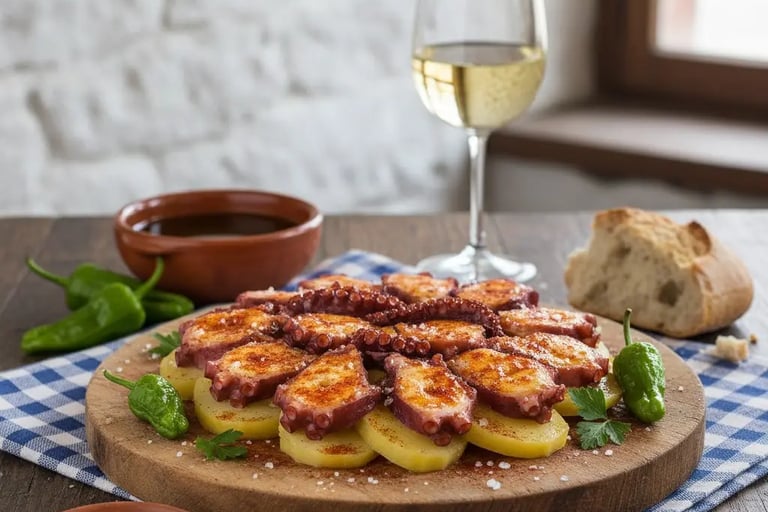
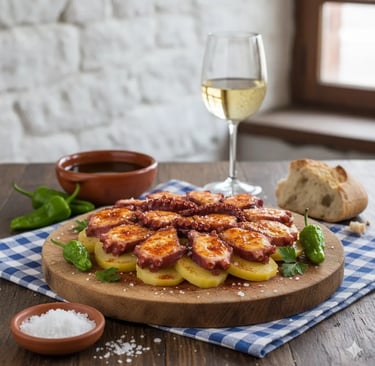
Food is integral to the Camino experience. Begin mornings with café con leche and tostada con tomate. Lunches on the trail are often rustic picnics — bread, cheese, and chorizo — beneath shady olive trees. Dinners invite community: long tables, weary feet, and fresh regional specialties like pulpo a la gallega or traditional Galician soup.
Arrival in Santiago de Compostela
Reaching the city’s great plaza — Praza do Obradoiro — is a moment pilgrims never forget. The scent of incense from the Botafumeiro, the vast silver censer swung during Cathedral Mass, fills the air. Many embrace, cry, or simply sit in silence, gazing at the cathedral’s ornate façade.
It’s both an ending and a beginning. The Camino may conclude here, but the journey it inspires — one of clarity, gratitude, and peace — continues long after the final step.
Conclusion: The Journey That Stays With You
The Camino de Santiago isn’t just a trail across Spain — it’s a path through your own humanity. It teaches patience in the face of distance, presence in each moment, and connection with the people and landscapes that shape your journey.
As one pilgrim once said, “You start walking to reach Santiago, but you end up walking to find yourself.”
For adventure seekers, dreamers, and those drawn to the meaningful rhythm of walking in Spain, the Camino remains one of the most essential bucket list travel experiences in Europe. It’s a blend of history and heart, of challenge and serenity.
So pick up a scallop shell, tie your boots, and take that first step. The Camino de Santiago awaits — and with it, the story you’ll tell for the rest of your life.
FAQ – Camino de Santiago, Spain
1. How long does it take to walk the Camino de Santiago?
The full Camino Francés, the most popular route, typically takes 30 to 35 days to complete, depending on your pace. However, many travelers choose to walk shorter sections, such as the final 100 km from Sarria to Santiago, which can be done in about 5 to 7 days.
2. What is the best time of year to walk the Camino de Santiago?
The best months are April to June and September to October, when temperatures are mild and the trails are less crowded. Summer offers long days but can be hot and busy, while winter months may bring rain or snow in some regions.
3. How difficult is the Camino de Santiago?
The Camino isn’t technically difficult, but it’s physically demanding due to daily long-distance walking. Most routes have a mix of flat and hilly terrain. Good preparation, proper footwear, and a steady pace make it manageable for most healthy adults.
4. Do you need to be religious to walk the Camino?
Not at all. While the Camino has deep Christian roots, today people from all backgrounds walk it for spiritual reflection, adventure, or personal growth. It’s as much a journey of self-discovery as it is a cultural experience.
5. What do you need to pack for the Camino de Santiago?
Pack lightweight essentials: quality hiking shoes, a supportive backpack, quick-dry clothing, rain gear, refillable water bottle, blister care, and a pilgrim credential (“Credencial del Peregrino”) for collecting stamps along the way.
6. How much does it cost to walk the Camino?
Budget travelers can expect to spend around $35–50 USD per day, including simple hostels (“albergues”), meals, and basic necessities. More comfort-oriented walkers may spend $70–100 USD daily.
7. Is it safe to walk the Camino alone?
Yes — the Camino is considered very safe, even for solo travelers and women. The trail is well-marked, friendly locals are always nearby, and there’s a strong sense of community among pilgrims.
8. What happens when you reach Santiago de Compostela?
Pilgrims traditionally visit the Cathedral of Santiago de Compostela, attend the Pilgrim’s Mass, and receive the official Compostela certificate as proof of completing the journey — a truly emotional and rewarding finale.
Connect
Join us for travel tips and destination insights.
© 2026. All rights reserved.
Affiliate disclaimer
This website contains affiliate links. If you purchase through these links, we may earn a commission at no extra cost to you.