
Beyond the Beach: Cultural Discovery on a Brac Island Boat Tour
Discover Bol's 7th-century history, Zlatni Rat beach, and Dalmatian cuisine on a 10-hour private boat tour to Brač from Split or Trogir. Book today!
DAY TRIPS
DestinationDiscover
4/30/20264 min read

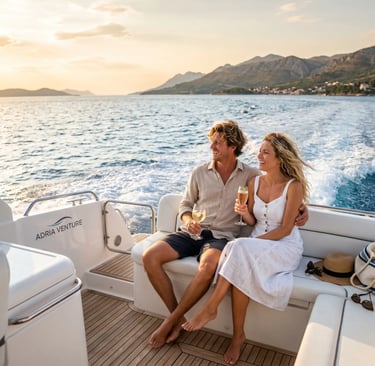
Most travelers see Brač as a postcard a sliver of white pebble curling into turquoise water. But spend a single day there, and the island starts whispering older stories: of stonecutters whose hands shaped the White House in Washington, of monks copying manuscripts by candlelight, of fishermen whose grandfathers spoke a dialect even Croatians find charming. This is the Brač that a Brac cultural boat tour reveals and once you've seen it, the beach becomes the bonus, not the headline.
Morning Departure & Views: The Adriatic Wakes Up
Your day begins at the meeting point in Split or Trogir harbor, where a private speedboat is already idling, waiting only for you. No crowds. No fixed schedule beyond your own curiosity. As the captain throttles forward and the Dalmatian coastline begins to shrink behind you, the Adriatic does that thing it does best flattens into liquid glass under the warm island sun. Brač's climate is famously generous: mild winters, long summers, and a clarity of light that painters and photographers chase across continents. Lean back, take the spray on your face, and let the city dissolve. The next ten hours are yours.
Historic Bol: A 7th-Century Village With Stories in Its Stones
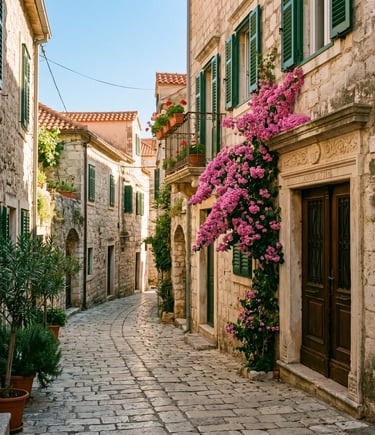
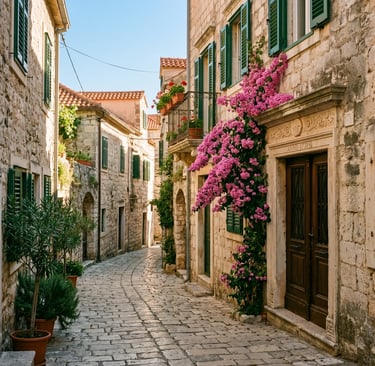
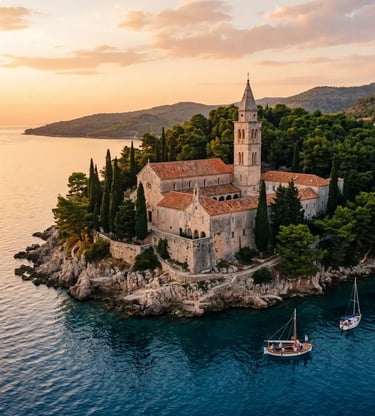
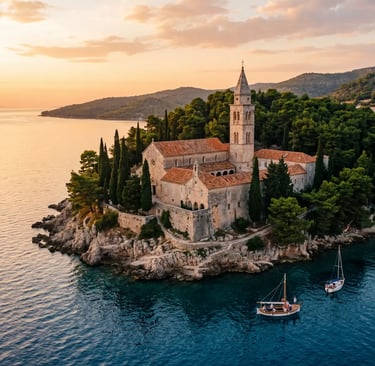
Pull into Bol's stone-paved harbor and you'll feel the shift immediately. Bol is older than most countries — a settlement reaching back to the 7th century, with narrow lanes that wind past sun-bleached fishermen's cottages and Venetian-era courtyards. Walk a few minutes east and you'll arrive at the Dominican Monastery, perched dramatically on a small promontory above the sea. Founded in 1475, it houses a museum with ancient amphorae, illuminated manuscripts, and the local pride a Tintoretto altarpiece. Among Bol historical sites, this monastery is the soul of the village. Take time, too, in the old town itself: the carved stone lintels above doorways, the worn benches where elders still gather in the late afternoon, the shaded squares where the only soundtrack is cicadas and the occasional church bell.
Zlatni Rat Beach A Natural Wonder Worth the Frame
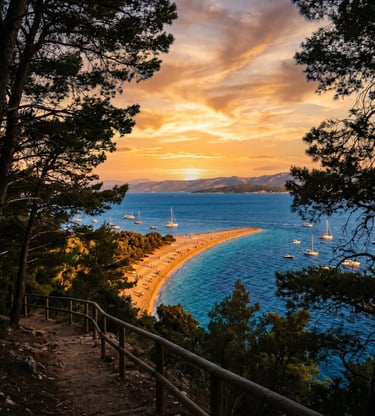
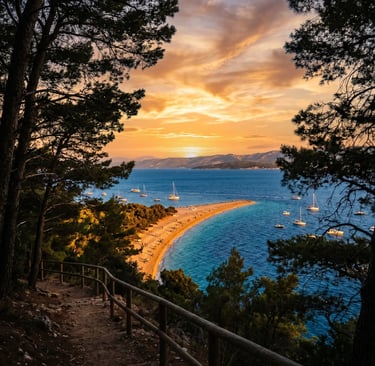
Of course, you're going to see her. Zlatni Rat the Golden Horn is the most photographed beach in Croatia for good reason. This shifting pebble spit extends nearly 500 meters into the channel between Brač and Hvar, and remarkably, its tip changes shape with the wind and currents. No two photographs of it are ever identical. For Zlatni Rat photography, time matters: shoot from the elevated path on the western pine grove an hour before sunset, when the water glows cobalt and the horn lights up gold. Bring a polarizer if you have one. If you don't, the view will still flatten you.
A Taste of Dalmatia: Eat Like You Mean It
Bol's old town hides excellent konobas family-run taverns where the menu often depends on what was caught that morning. Order the čevapčići (smoky grilled minced meat with onions and fresh bread), or go fully Dalmatian with grilled sea bass, blitva (Swiss chard with potatoes and olive oil), and a glass of crisp local Pošip or robust Plavac Mali wine grown right here on the island. A note for planning: meals ashore and tips are not included in the tour price, but soft drinks and water on the boat are. Bring a little cash for lunch, leave room for dessert (try rožata, the Croatian crème caramel), and you'll thank yourself later.
Book Your Culture Cruise
Your Brac island day trip from Split isn't just another beach excursion it's ten hours of monastery silence, harbor history, and one of the most extraordinary beaches in Europe, all on a private speedboat with no fixed itinerary but yours. Reserve now and explore Brač's heritage before the summer fills up: [Book your tour here]
Frequently Asked Questions About the Brac Cultural Boat Tour
What historical sites will I visit on the Brac cultural boat tour?
The highlight of your cultural journey is Bol's stunning Dominican Monastery, founded in 1475 and home to a museum filled with ancient amphorae, illuminated manuscripts, and a celebrated Tintoretto altarpiece. You'll also explore Bol's atmospheric old town, a settlement dating back to the 7th century, where narrow stone lanes reveal Venetian-era courtyards, carved doorway lintels, and traditional fishermen's cottages. The walk through Bol itself is a living museum, with shaded squares and centuries-old churches around every corner.
Is lunch included in the 10-hour private speedboat tour?
Lunch is not included in the tour price, giving you complete freedom to choose where and what you want to eat. We do, however, provide complimentary soft drinks and water on board the speedboat throughout the day. We recommend dining at one of Bol's family-run konobas, where you can sample authentic Dalmatian specialties like grilled fresh fish, čevapčići, blitva, or local wines such as Pošip and Plavac Mali. Please note that gratuities for restaurants and the captain are also not included in the tour fee.
Where does the Brac island day trip from Split depart?
Your private speedboat tour departs from a designated meeting point in either Split or Trogir harbor, depending on your preference and accommodation location. After booking, you'll receive detailed instructions with the exact meeting spot, recommended arrival time, and your captain's contact information. The journey across the Adriatic to Brač takes roughly 45 minutes to an hour, depending on sea conditions, leaving plenty of time to explore Bol's cultural sites, photograph Zlatni Rat, and enjoy a leisurely lunch before returning.
When is the best time of day to photograph Zlatni Rat beach?
For the most striking Zlatni Rat photography, head to the elevated walking path through the western pine grove approximately one hour before sunset, when golden light transforms the water into deep cobalt and the famous horn glows amber. Late morning also offers excellent lighting, with the sun illuminating the turquoise shallows and the distinctive shape of the shifting pebble spit. Bring a polarizing filter if you have one to cut glare and deepen the sea's natural blues, and remember that Zlatni Rat changes shape with the wind, so every photograph is genuinely one of a kind.
Connect
Join us for travel tips and destination insights.
© 2026. All rights reserved.
Affiliate disclaimer
This website contains affiliate links. If you purchase through these links, we may earn a commission at no extra cost to you.