
7 Reasons This Blue Cave & 5 Islands Tour Is Different From Everything Else in Croatia
Insider breakdown of what separates a real Blue Cave & 5 Islands tour from Split: timing windows, skipper experience, hidden coves, and what to book.
DAY TRIPS
DestinationDiscover
4/29/20265 min read
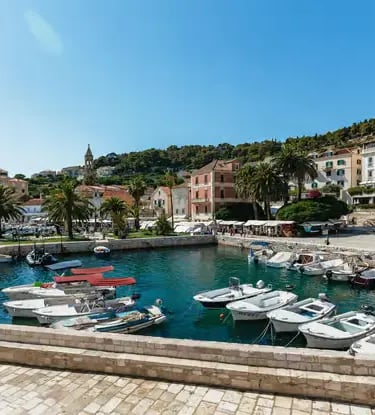
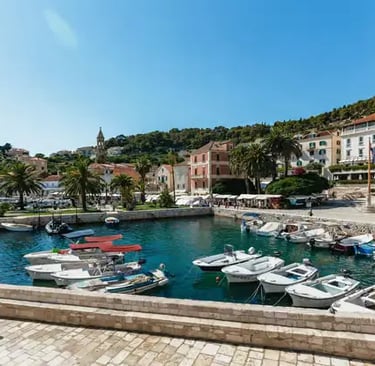
Most Croatia tour operators sell the same itinerary with different stickers. The boats look identical from the dock. The brochures use the same drone footage. But the experience splits hard once you push off from Split harbor and ninety percent of travelers never know what they missed.
Here's what separates a real 5 island tour from the version sold to cruise passengers.
1. The Blue Cave timing window is non-negotiable
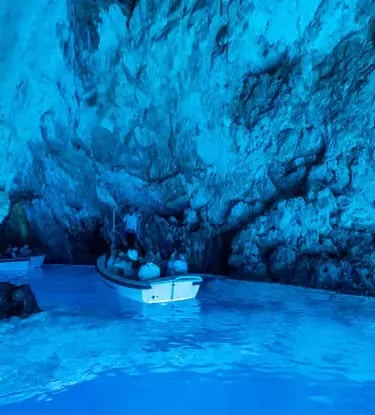
The sun has to enter Biševo's underwater opening at a specific angle for the cave to glow. That window is roughly 11:00 to 12:30, and every operator knows it. The difference is who gets there at 10:45 versus 12:15. Skippers leaving Split at 7:30 are positioning for the front of the queue. Skippers leaving at 9:00 are positioning your day to fail. The single most useful of all Blue Cave Croatia tips: ask for the departure time before you book. That number tells you everything.
2. Stiniva is the test
Stiniva Cove on Vis was voted Europe's best beach a few years back, which means it now functions as a crowd magnet. The good operators stop there for twenty minutes — long enough to swim through the narrow rock gateway, short enough to leave before the second wave of boats arrives. The mediocre ones either skip it entirely or anchor for an hour and waste your daylight. Twenty minutes is the right number.
3. Your skipper is the entire experience
This is the variable nobody mentions in any 5 island tour review. A skipper with ten years on this route knows where the wind shifts at 1pm, which konoba in Komiža has the squid that morning, and which Pakleni cove will be empty when the package boats hit Palmižana. A skipper on his first season is reading the same map you are. When you book, ask how long the captain has run this specific route. If the answer is vague, book elsewhere.
4. Budikovac over the obvious choices
Most itineraries push you to Palmižana on the Pakleni Islands because there's a restaurant, a dock, and Instagram coverage. Budikovac Lagoon, just off Vis, is where the skippers actually want to swim. Shallow, turquoise, almost no boat traffic before noon. This is one of the genuine Croatia hidden gems tour operators don't advertise because they want it kept quiet. If your itinerary includes it, you're on a route designed by someone who has done this more than a hundred times. If it doesn't, you're on a tourist loop.
5. Hvar gets ninety minutes use them correctly
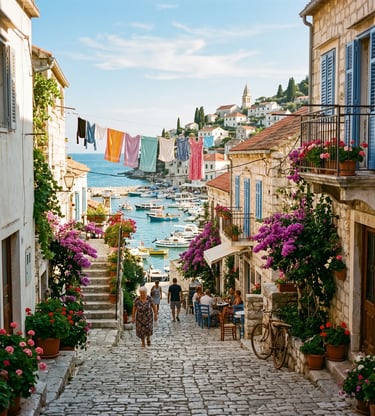
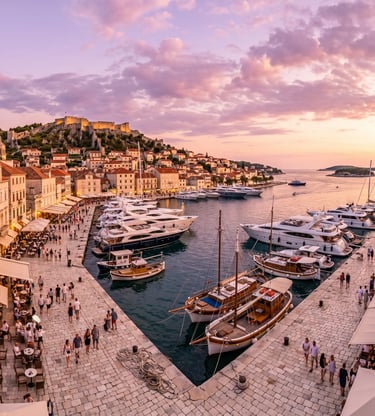
Every tour stops in Hvar Town. Almost nobody uses the time well. The fortress walk takes twenty-two minutes up, fifteen down, and the view kills anything you'll get from a harbor café. Skip the main square. The good gelato is two streets inland, not on the promenade. The best Hvar experience on a day tour isn't the bars it's the elevation. If your skipper points you toward Fortica instead of the waterfront, he's looking out for you.
6. The Green Cave is the quiet flex
Everyone talks about the Blue Cave. The Green Cave on Ravnik is the one your skipper actually wants to take you to. You can swim inside it. Light comes through a hole in the ceiling and turns the water emerald. It's on the better itineraries and missing from the cheaper ones. Check the route before you pay. If Ravnik isn't listed, you're getting the abbreviated version.
7. Boat size determines your day
Twelve-passenger speedboats handle the open water between Vis and Biševo in twenty-five minutes. Forty-passenger catamarans take an hour and stop being fun the moment a meter of swell shows up. Smaller is faster, drier, and reaches coves bigger boats can't enter. Pay the difference. You'll feel it in every transit.
The bottom line
A 5 island tour from Split is either a curated route run by someone who knows the sea, or a logistics exercise designed to move bodies. The price difference is often forty euros. The experience difference is the entire reason you came to Croatia.
Book accordingly.
Frequently Asked Questions
What time should a Blue Cave tour leave Split?
The earlier the better, and 7:30 AM is the benchmark. The Blue Cave on Biševo only glows between roughly 11:00 and 12:30 when sunlight enters the underwater opening at the correct angle, and a queue forms at the entrance. Boats departing Split before 8:00 reach Biševo in time to enter near the front of the line. Anything leaving after 9:00 risks arriving when the light has shifted or the queue has stretched past forty minutes, which can eliminate the cave from your itinerary entirely.
Is the 5 island tour worth it from Split?
Yes, but only if you book the right operator. The route covers the Blue Cave, Stiniva, the Green Cave, Budikovac, Hvar, and the Pakleni Islands in a single day, which is impossible to replicate on public ferries. The value comes from the skipper's route efficiency and local knowledge, not the islands themselves. A poorly run tour wastes hours in transit and skips the better stops. A well-run one delivers five distinct coastal environments before sunset, and that combination is the strongest argument for doing it in one day.
What's the difference between the Blue Cave and the Green Cave?
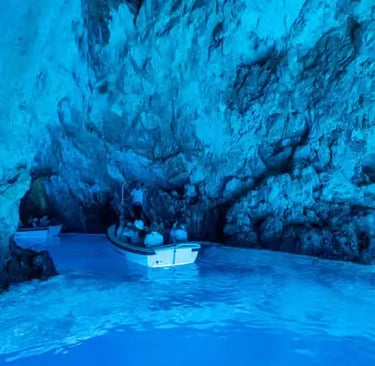
The Blue Cave on Biševo is entered by small boat through a low opening, and you cannot swim inside it. Sunlight refracts through the water and lights the chamber blue for about ninety minutes a day. The Green Cave on Ravnik is larger, has a hole in the ceiling that lets light pour through, and you can swim and snorkel inside. The Blue Cave is the headline stop. The Green Cave is the one most travelers remember more vividly because the experience is physical rather than observational.
Should I choose a speedboat or a catamaran for the tour?
A speedboat for twelve or fewer passengers is the better choice for this specific route. The crossing between Vis and Biševo can get rough by mid-afternoon, and smaller boats handle it faster and reach coves the larger vessels cannot enter. Catamarans are more comfortable in calm conditions but lose roughly two hours of total stop time across the day due to slower transit and limited docking access. The price gap between the two formats is usually small relative to what you gain in flexibility and time on the islands.
Connect
Join us for travel tips and destination insights.
© 2026. All rights reserved.
Affiliate disclaimer
This website contains affiliate links. If you purchase through these links, we may earn a commission at no extra cost to you.