
Exploring the Legendary Appalachian Trail: A Complete Guide to America's Most Iconic Hike
Discover the beauty of the Appalachian Trail, USA — a 2,190-mile hiking adventure through breathtaking landscapes, national parks, and mountain vistas.
DestinationDiscover
11/3/20256 min read
Introduction
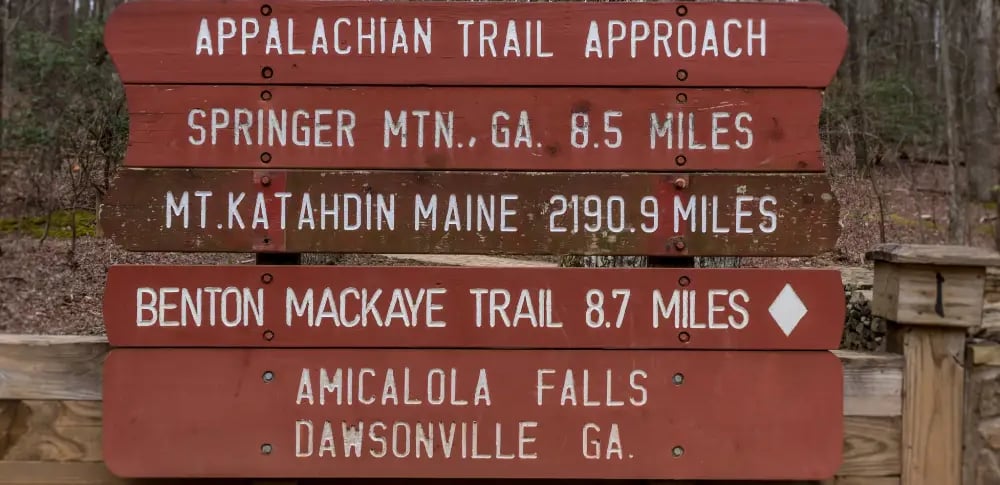
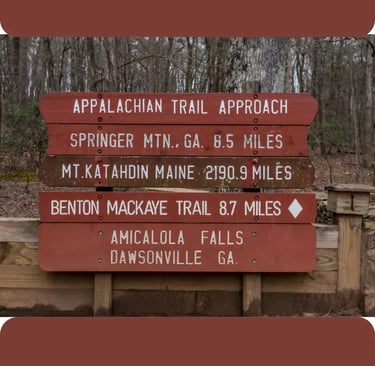
Stretching approximately 2,190 miles through the heart of America's eastern wilderness, the Appalachian Trail stands as one of the world's most celebrated long-distance hiking adventures. This iconic footpath winds through 14 states—from Georgia's Springer Mountain to Maine's Mount Katahdin—crossing some of the most diverse and breathtaking landscapes in North America. Whether you're an experienced thru-hiker dreaming of a months-long journey or a weekend warrior seeking a taste of wilderness, the Appalachian Trail USA offers an unforgettable outdoor adventure travel experience.
For decades, hikers have been drawn to this legendary trail, seeking challenge, transformation, and connection with nature. The Appalachian Trail hiking guide you're about to explore will help you understand why this bucket-list destination continues to captivate adventurers from around the globe, offering everything from misty mountain vistas to encounters with diverse wildlife and welcoming trail communities.
History and Significance
The vision for the Appalachian Trail began in 1921 when forester Benton MacKaye proposed creating a continuous footpath along the Appalachian Mountain range. Through tireless efforts by volunteers and conservation organizations—particularly the Appalachian Trail Conservancy—the trail was completed in 1937, becoming America's first National Scenic Trail in 1968.
This remarkable hiking destination in America represents more than just a physical challenge. It embodies a philosophy of conservation, community, and personal growth. The trail is maintained almost entirely by volunteers who dedicate countless hours to preserving this natural treasure for future generations. Each year, thousands of hikers are drawn to its worn pathways, seeking solitude, self-discovery, and the simple joy of placing one foot in front of the other through pristine wilderness. The trail has become a cultural touchstone, inspiring books, documentaries, and countless personal transformation stories.
Top Sections & Must-See Highlights
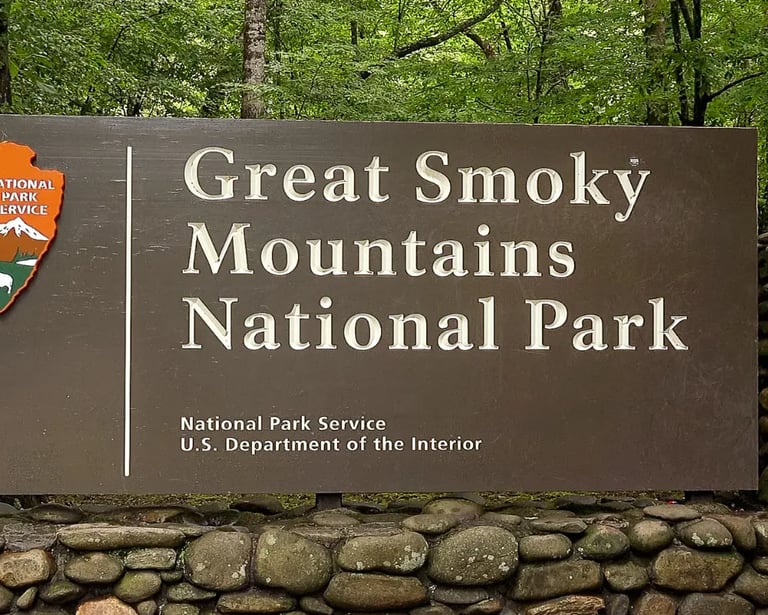
Great Smoky Mountains National Park
Straddling the Tennessee-North Carolina border, the Smokies offer some of the most spectacular scenery along the entire route. This section features ancient forests draped in morning mist, creating those breathtaking mountain views that make perfect Pinterest content. Hikers traverse Clingmans Dome, the highest point on the entire trail at 6,643 feet, where panoramic views stretch endlessly in every direction. Wildlife enthusiasts may spot black bears, white-tailed deer, and over 1,500 species of flowering plants.
Shenandoah National Park, Virginia
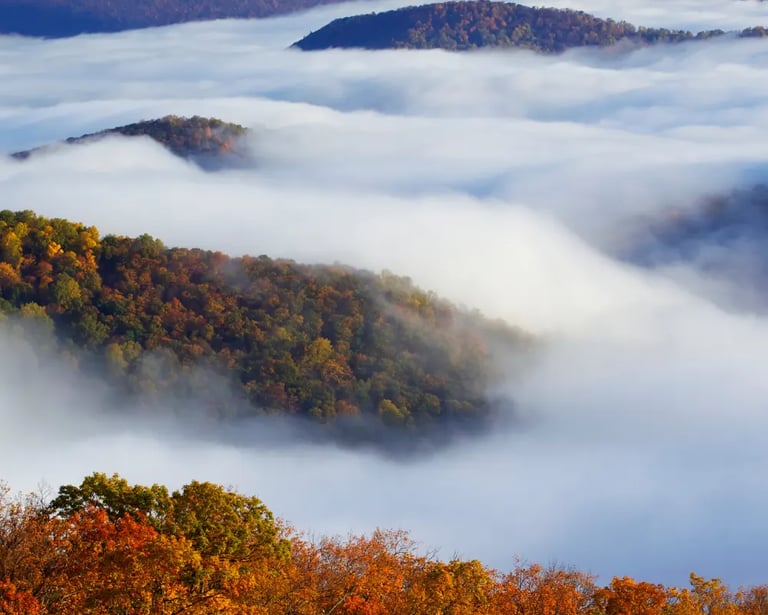
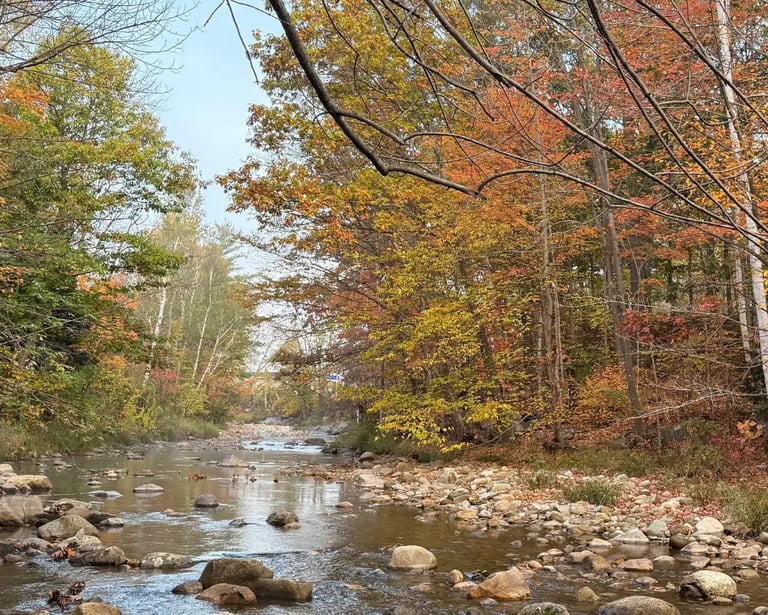
Virginia hosts more than 550 miles of the Appalachian Trail—a quarter of the entire route. Shenandoah National Park provides relatively gentle terrain combined with stunning vistas from rocky outcroppings. The park's Skyline Drive parallels the trail, making it accessible for day hikers. Spring wildflowers carpet the forest floor, while autumn transforms the landscape into a blazing tapestry of red, orange, and gold—ideal for those perfect photo spots for hikers.
White Mountains, New Hampshire
The White Mountains deliver some of the trail's most challenging and rewarding terrain. The Presidential Range, featuring Mount Washington—notorious for extreme weather—tests even experienced hikers' skills. Exposed ridgelines offer 360-degree views of rugged peaks, alpine zones, and dramatic weather systems rolling through. The AMC hut system provides unique accommodation options, where hikers can enjoy hot meals and bunkhouse shelter amid the wilderness.
Mount Katahdin, Maine
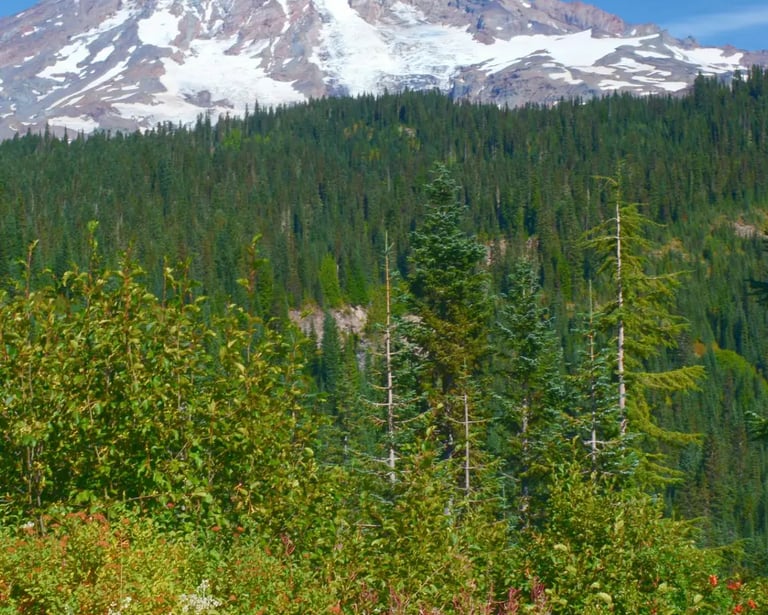
The trail's northern terminus at Mount Katahdin represents the ultimate goal for northbound thru-hikers. This magnificent granite monolith rises dramatically above the surrounding landscape, offering a fitting finale to an epic journey. The final ascent via the Knife Edge—a narrow, exposed ridge—provides an exhilarating conclusion that demands focus and rewards courage with unforgettable views.
Planning Your Appalachian Trail Adventure
When to Start Your Hike
Timing is crucial for an Appalachian Trail thru-hike. Most northbound hikers (NOBOs) begin at Springer Mountain in Georgia between mid-March and early April, aiming to reach Maine before the onset of harsh autumn weather. Southbound hikers (SOBOs) typically start at Mount Katahdin in June after the park opens. For section hikers, late spring through early fall offers the most comfortable conditions across most sections, though summer brings crowds to popular areas.
Essential Gear and Preparation
Success on the Appalachian Trail map route requires proper equipment and preparation. Modern ultralight backpacking philosophy helps reduce pack weight, crucial for long-distance hiking. Essential gear includes:
Shelter system: Lightweight tent or hammock with rain protection
Sleep system: Appropriate sleeping bag and insulated pad
Clothing: Moisture-wicking layers, rain gear, and insulated jacket
Navigation: Maps, compass, and GPS device or smartphone app
Water treatment: Filter or purification tablets
First aid kit: Including blister treatment and basic medications
Food: High-calorie, lightweight options for 3-5 days between resupply points
Physical preparation matters tremendously. Begin training months before your planned start date, gradually building endurance with weighted pack hikes on varied terrain.
Permits and Camping Regulations
Most of the trail passes through public lands with free access, but several sections require permits or have specific regulations. Great Smoky Mountains and Shenandoah National Parks require backcountry permits. Baxter State Park in Maine, home to Mount Katahdin, has strict rules and limited access. Research Appalachian Trail tips specific to your planned sections well in advance, as some permits have quotas and require advance reservations.
Tips for Day Hikers vs. Thru-Hikers
Section Hiking and Day Trips
Not everyone needs to commit to a full thru-hike to experience the trail's magic. Section hiking allows you to explore the best Appalachian Trail sections at your own pace, perhaps completing the entire trail over several years. Day hiking provides accessible introduction to the trail's character without extensive time commitment or specialized gear.
Popular day hikes include McAfee Knob in Virginia (arguably the most photographed spot on the trail), Franconia Ridge in New Hampshire, and Blood Mountain in Georgia. These shorter adventures suit beginners while still delivering that signature Appalachian Trail experience—challenging climbs rewarded with sweeping vistas.
Thru-Hiking Considerations
Completing a thru-hike typically takes 5-7 months and represents a significant life commitment. Beyond physical endurance, successful thru-hikers develop mental resilience, adapting to discomfort, loneliness, and constant challenge. Trail names, hostel stays, and the unique culture of the long-distance hiking community create bonds and memories lasting far beyond the final summit.
Start with realistic expectations. Statistics suggest only about 25% of attempted thru-hikes reach completion. Flexibility in plans, listening to your body, and embracing the journey rather than fixating solely on the destination increase your chances of success and enjoyment.


Perfect Moments on the Trail
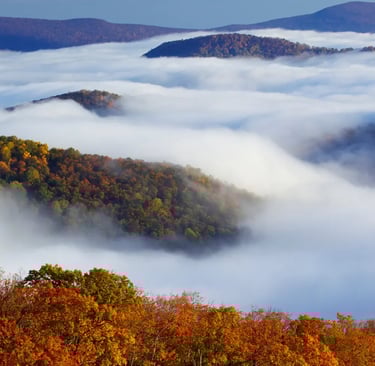
The Appalachian Trail offers endless opportunities for stunning photography. Imagine capturing the misty sunrise over the Blue Ridge Mountains, where layers of ancient peaks fade into the distance like watercolor paintings. Picture yourself standing atop a rocky summit as golden hour light illuminates the autumn forest canopy stretching to the horizon.
Those breathtaking mountain views from McAfee Knob—where hikers perch on an iconic rocky outcrop above sheer cliffs—create Instagram and Pinterest gold. The fog rolling over the Blue Ridge Mountains at dawn transforms ordinary forest into mystical wilderness, while wildflower-covered meadows in the Roan Highlands burst with color against dramatic mountain backdrops. Trail shelter sunsets, where hikers gather after a long day, tell stories of community and shared adventure that resonate across social media platforms.
Conclusion
The Appalachian Trail remains one of America's greatest outdoor treasures—a ribbon of wilderness offering challenge, beauty, and transformation. Whether you dream of a complete thru-hike, plan to tackle choice sections over time, or simply want to experience a few days in these ancient mountains, the trail welcomes all who approach with respect and determination.
This hiking in the USA experience transcends mere physical accomplishment. It connects you to something larger—to the conservationists who built and maintain this path, to the countless hikers who've walked before you, and to the enduring wild places that still exist in our modern world. As you plan your Appalachian Trail adventure, remember to tread lightly, follow Leave No Trace principles, and preserve this remarkable resource for future generations. The mountains are calling—will you answer?
Frequently Asked Questions
How long does it take to hike the Appalachian Trail? A complete thru-hike typically takes 5-7 months, with most hikers averaging 12-16 miles per day. Section hikers can explore the trail over multiple trips spanning years.
How much does it cost to hike the Appalachian Trail? Most thru-hikers spend $4,000-$8,000, including gear, food, hostel stays, and incidental expenses. Budget-conscious hikers can reduce costs significantly, while others spend considerably more for comfort.
Do I need to be an expert hiker to attempt the Appalachian Trail? No experience is required, though physical fitness helps tremendously. Many people begin their first serious hiking adventure on the AT. Start with shorter section hikes to build skills and confidence before attempting longer journeys.
What's the hardest section of the Appalachian Trail? The White Mountains of New Hampshire and Maine's Mahoosuc Range are widely considered the most challenging sections, featuring steep climbs, exposed terrain, and unpredictable weather.
Can I hike the Appalachian Trail alone? Yes, many hikers complete the trail solo. The active hiking community means you'll regularly encounter other hikers, and popular shelters provide opportunities for social interaction while maintaining your independent journey.
Connect
Join us for travel tips and destination insights.
© 2026. All rights reserved.
Affiliate disclaimer
This website contains affiliate links. If you purchase through these links, we may earn a commission at no extra cost to you.