
Annapurna Circuit, Nepal: A Life-Changing Trek Through the Himalayas
Discover the breathtaking beauty of Nepal’s Annapurna Circuit — one of the world’s greatest treks. Explore the Himalayas, meet locals, and experience an unforgettable high-altitude adventure.
DestinationDiscover
11/5/20256 min read
Introduction: Where Adventure Meets the Sky
There are hikes — and then there’s the Annapurna Circuit. A name that to trekkers, climbers, and dreamers around the world, carries the weight of myth. High in the heart of the Himalayas, among peaks that touch the heavens, this legendary trail loops through some of the most dramatic landscapes on Earth. For many, it’s not just a trek; it’s a journey that changes the way you see the world — and yourself.
Stretching roughly 128–145 miles (206–234 km) depending on route variants, the Annapurna Circuit winds around the Annapurna Massif, crossing roaring rivers, fertile valleys, and barren high-altitude deserts. You’ll climb from subtropical forests to alpine tundra, and finally to the windswept Thorong La Pass — standing proud at 5,416 meters (17,769 feet). Along the way, you’ll meet the diverse peoples of Nepal’s Himalayan foothills, soak in centuries-old traditions, and witness sunrises that set snowcapped giants ablaze in gold.
For U.S.-based adventurers seeking raw nature, rich culture, and the thrill of high-altitude trekking, the Annapurna trek offers an experience few places on Earth can match. It’s more than a destination — it’s a rite of passage in the world of adventure travel.
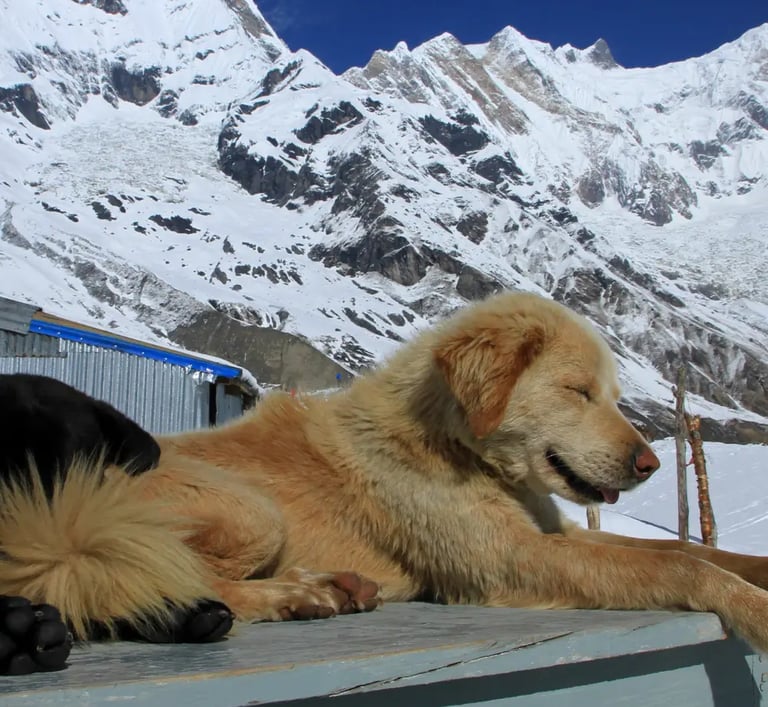
The Essence of the Annapurna Circuit
To understand the Annapurna Circuit, picture an ever-changing stage where culture, climate, and terrain shift before your eyes. Beginning near the lush subtropical valleys of Bhulbhule or Besisahar (at around 2,700 feet/800 meters), the trail climbs gradually along rice paddies, waterfalls, and terraced fields carved into steep hillsides.
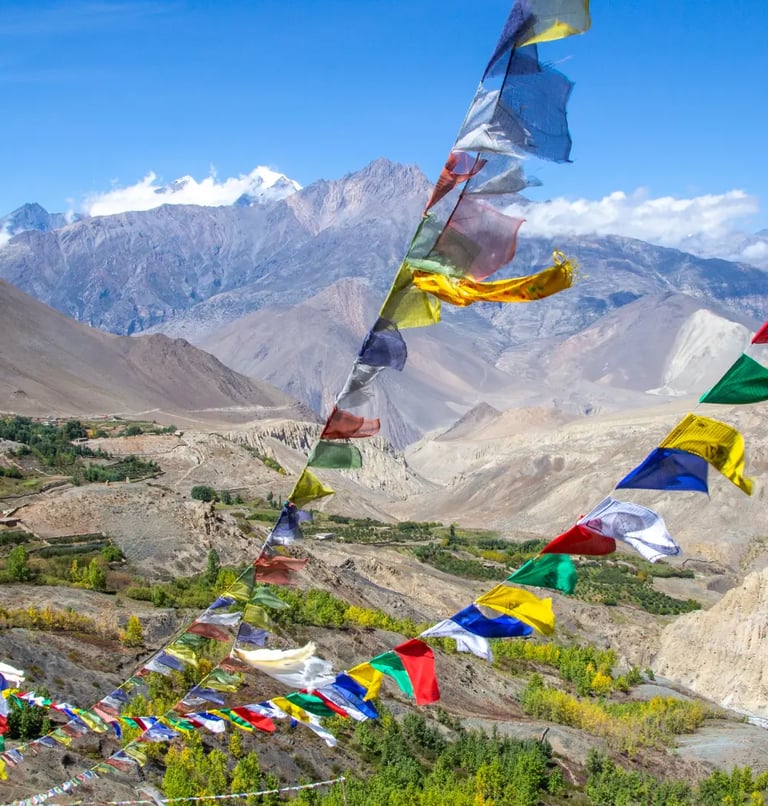
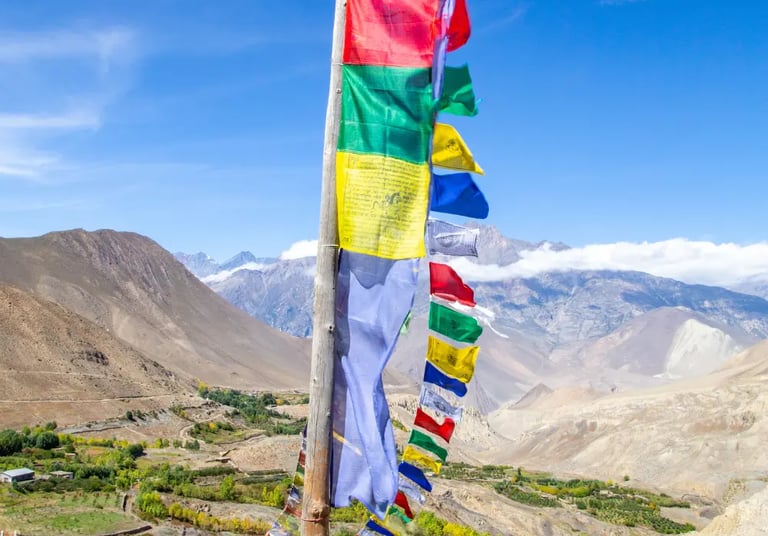
By the second week, the air thins and the scenery transforms into alpine meadows and rhododendron forests painted in red and pink during spring. Then, as you ascend into the Manang region, trees vanish, giving way to a landscape of yak pastures, prayer flags, and stone houses baked by sun and wind. Finally, the path leads you to Thorong La Pass, the crown jewel of the Annapurna trek — a windblown saddle between towering peaks that marks both a physical and spiritual high point.
Descending from the pass, trekkers enter a world that feels like another planet: the Kali Gandaki Valley, one of the deepest gorges on Earth. Here, the dry, desert-like plateaus framed by the snow-dusted peaks of Dhaulagiri and Nilgiri look straight out of a Himalayan dreamscape.
The circuit’s diversity — in landscapes, altitudes, and cultures — is what makes it one of the best treks in Nepal and arguably one of the greatest Himalaya hiking routes in the world.
Best Time to Trek Annapurna
Spring (March–May): Color and Clarity
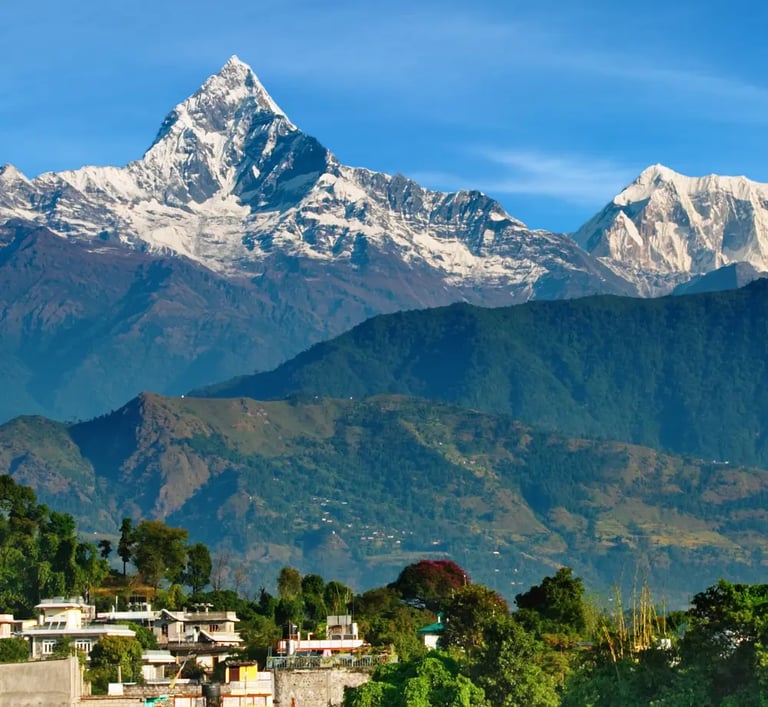
Spring is arguably the most photogenic season on the Annapurna Circuit. The rhododendron forests bloom in brilliant reds and pinks, and the skies remain clear enough to reveal distant peaks like Annapurna I (8,091m) and Machapuchare (6,993m). The temperatures are moderate — ideal for long days on the trail and Himalaya adventure photography.
Autumn (September–November): The Classic Window
This is the best time to trek Annapurna for weather stability and crystal-clear views. Monsoon rains have washed the air clean, leaving the mountains sharp and magnificent. The trails are busier, but camaraderie among trekkers thrives.
Winter (December–February): Quiet and Chill
Expect snow on higher passes and fewer crowds. Trekkers with good gear and experience will find serene landscapes and local hospitality at its warmest.
Monsoon (June–August): Lush and Remote
It’s the least popular time for trekking due to rain and leeches, but a few sections — particularly in the rain-shadow regions of Manang and Mustang — remain accessible and ethereal under moody skies.
Highlights Along the Route
Thorong La Pass
Reaching 5,416 meters, Thorong La is both the physical and emotional high point of the journey. The climb begins before dawn, under a canopy of stars and glacial wind. Every step tests your endurance, but as you crest the summit and see prayer flags fluttering against an expanse of peaks, the world falls away — replaced by silence, wind, and the profound feeling that you’ve conquered something greater than elevation.
Manang: The High Country of the Himalayas
Manang, at 3,519 meters, is a high-altitude village that feels frozen in time. Here you can acclimatize, refuel, and marvel at views of Annapurna II, III, and Gangapurna. Teahouses bustle with trekkers exchanging stories, while nearby hikes — like the Gangapurna Lake viewpoint — showcase the raw drama of the high Himalaya.
Muktinath Temple
Descending from Thorong La brings you to Muktinath, a sacred site for both Hindus and Buddhists. Its eternal flame, powered by natural gas, burns beside icy streams — a surreal symbol of spiritual balance.
Jomsom & Pokhara
From Jomsom, trekkers can fly or continue down to Pokhara, Nepal’s lakeside city of relaxation. After weeks of mountain life, the sight of Phewa Lake shimmering beneath Machapuchare’s silhouette feels magical. Pokhara is also the gateway for adventure activities — paragliding, kayaking, and cultural excursions.
Cultural Encounters on the Annapurna Trek
The Annapurna Circuit is more than soaring summits — it’s a walk through the living cultures of Nepal. From the Gurung villages of the lower hills to the Tibetan-influenced communities of Manang and Mustang, each stop reveals warmth, resilience, and a rhythm of life shaped by altitude.
You’ll pass through villages where prayer wheels spin endlessly in the breeze, chortens (stupas) mark spiritual crossroads, and strings of fluttering flags carry mantras into the clouds. In teahouses, trekkers share yak-butter tea, dhal bhat, or stories around crackling stoves. These moments — the laughter, the hospitality, the sense of shared humanity — are as enduring as any mountain view.
Every encounter reinforces what makes Nepal trekking transcendent: the merging of wilderness and community, where the path connects not only valleys but hearts.
Tips for Trekkers
Fitness and Acclimatization
The Annapurna trek demands strong cardiovascular fitness and endurance. Begin training 2–3 months prior with hiking, stair climbing, and leg strength exercises.
Acclimatize carefully — spend at least one rest day in Manang before crossing Thorong La. Gain altitude gradually to prevent altitude sickness.
Packing Essentials
Layered clothing adaptable to changing climates
Down jacket and warm hat for high-altitude nights
Sturdy, waterproof trekking boots
Water purification system (tablets or filter)
Trekking poles — particularly helpful on steep descents
Reusable bottles and zero-waste toiletries for sustainable trekking
Permits and Guides
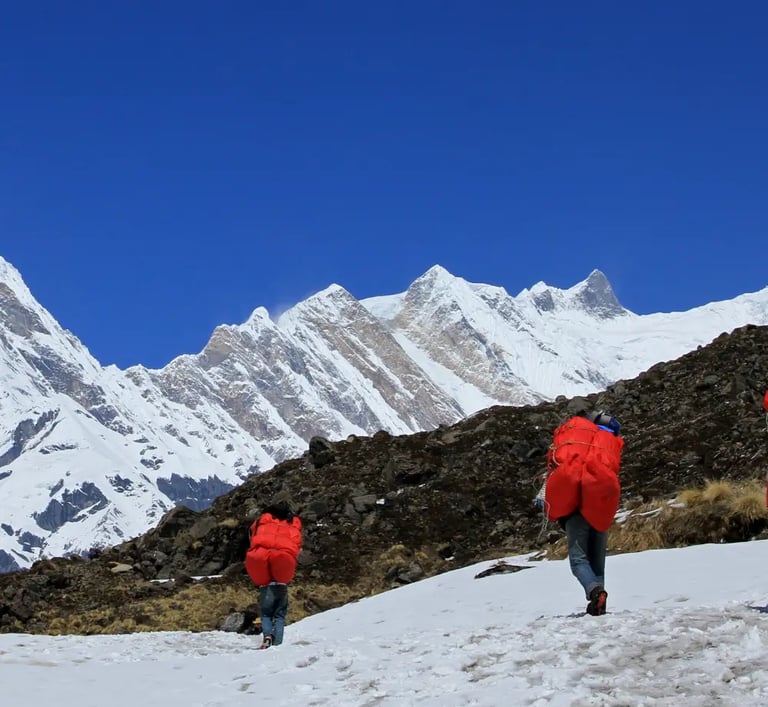
You’ll need an Annapurna Conservation Area Permit (ACAP) and a TIMS card (Trekkers’ Information Management System). Guides and porters are optional but highly recommended for safety and cultural interaction.
Sustainable & Responsible Trekking
The Annapurna Circuit exists within Nepal’s first conservation area — a pioneering model for community-based tourism. Every trekker contributes to local conservation programs that protect wildlife, forests, and traditional lifestyles.
To practice sustainable trekking:
Stay in locally owned teahouses — supporting families directly.
Avoid bottled water; refill reusable bottles instead.
Pack out what you pack in — including batteries and plastic.
Respect local customs and modest dress, especially in villages and temples.
Travel mindfully — slow down, connect, and tread lightly.
By respecting the mountains and their people, you ensure that this South Asia travel gem remains pristine for generations to come.
Conclusion: Your Journey to the Heart of the Himalayas
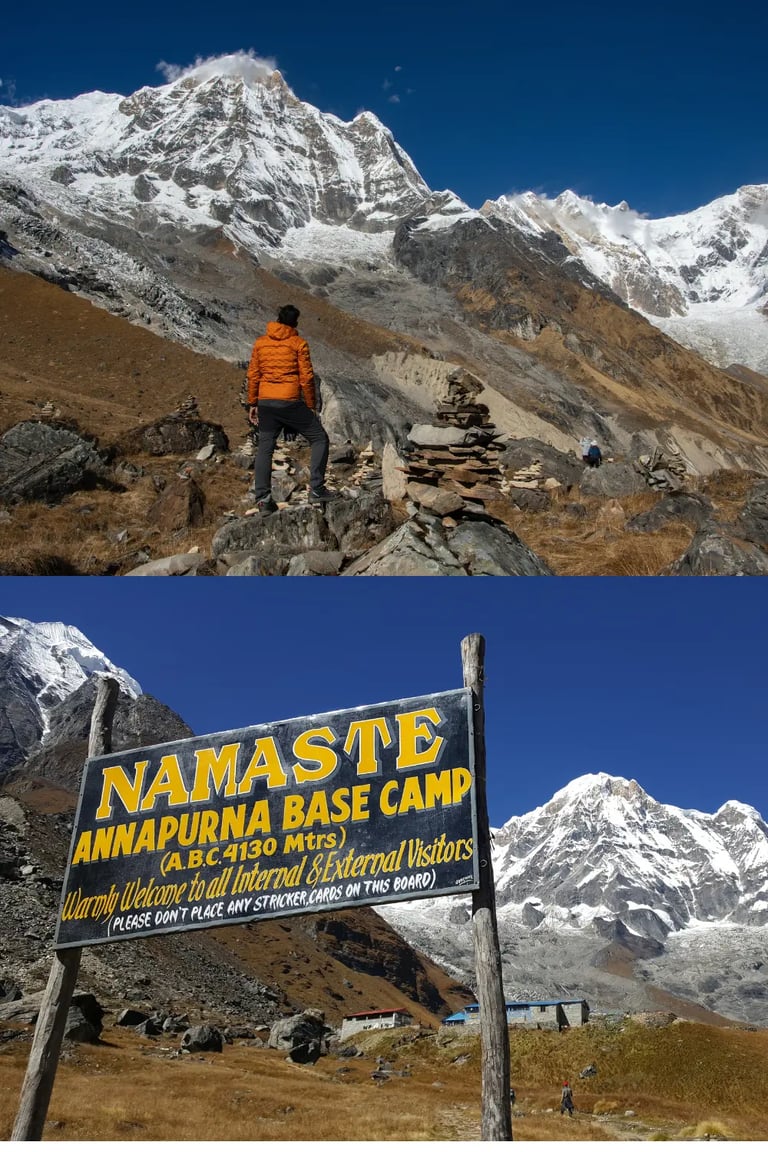
Standing beneath the 8,000-meter peaks of the Annapurna range, as winds rustle across prayer flags, you understand why trekkers call this a life-changing journey. The Annapurna Circuit isn’t just about stunning scenery — it’s about transformation. Each step, from jungle to glacier, teaches patience, gratitude, and humility before nature’s vastness.
For many travelers, this trek becomes the story they tell for years — their defining bucket list hike, their moment of awe and clarity. It’s the memory of watching sunrise turn Annapurna’s peaks to flame, of laughter shared in smoky teahouses, of the rhythm of boots meeting trail under an ancient sky.
So if you’re craving an epic adventure that’s equal parts challenge, beauty, and soul — make the Annapurna Circuit your next great pilgrimage. Because in the heart of the Himalayas, you don’t just walk across mountains — you rise with them.
Connect
Join us for travel tips and destination insights.
© 2026. All rights reserved.
Affiliate disclaimer
This website contains affiliate links. If you purchase through these links, we may earn a commission at no extra cost to you.