
The Authority of Authentic Italian Food: A Psychological Profile of the Amalfi Cooking Class
Discover the psychology behind the Amalfi cooking class and farmhouse visit at Luna d'Agerola. Learn why experiential tourism, handmade pasta, and organic lemon terraced gardens create lasting personal transformation. A behavioral deep dive into authentic Italian food.
DAY TRIPS
DestinationDiscover
5/8/20264 min read
Every human interaction is a negotiation for status. We scan rooms, measure voices, and calibrate our worth against the people around us. Most travel does nothing to change your position in this silent hierarchy. The Amalfi cooking class at the Luna d'Agerola farmhouse does. It rewires how you see yourself by giving you something passive tourism never can: a skill that belongs to you.
What Makes Experiential Tourism Psychologically Fulfilling?
Experiential tourism fulfills a deep neurological need for competence and belonging, moving you from spectator to participant, which is the only shift that registers as meaningful in the human brain's reward architecture.
Passive tourism is psychological fast food. You stand behind a rope. You take a photo. You leave unchanged. The brain logs this as consumption, not growth. Nothing is earned, so nothing is retained.
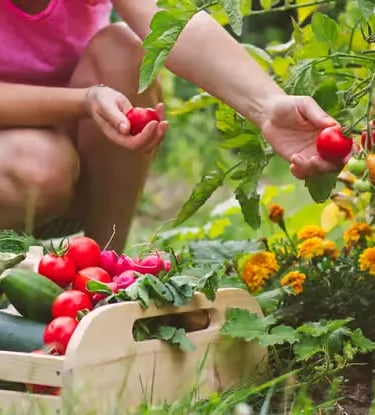
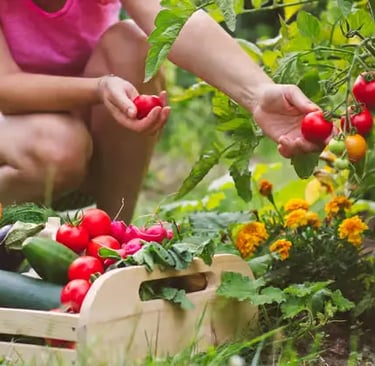
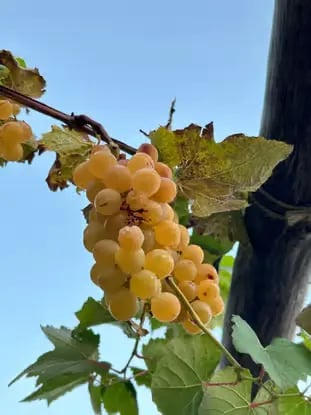
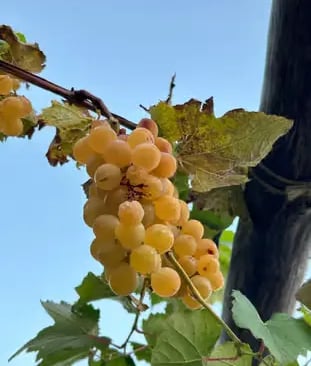
When you step into organic lemon terraced gardens above the Amalfi Coast and harvest ingredients with your own hands, a different circuit fires. You become a contributor. The host family treats you not as a customer but as a guest worthy of their generational knowledge. This is tribal acceptance at its most primal. The brain does not distinguish between modern tourism and ancient ritual. It only knows you were welcomed, taught, and fed.
What Happens During an Authentic Amalfi Cooking Class?
During this authentic Amalfi cooking class, you arrive at a historic farmhouse tied to the legacy of Neapolitan poet Salvatore Di Giacomo, tour the property's gardens, and cook a full four-course Italian meal under direct mentorship from a local expert chef.
The farmhouse visit begins with context. You walk the terraced gardens. You touch the lemons, the herbs, the soil. This is not decoration. Environment dictates behavior. When you are surrounded by generations of agricultural discipline, your posture changes. Your attention sharpens. You become a student before anyone says a word.
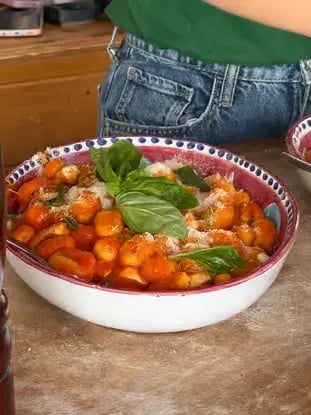
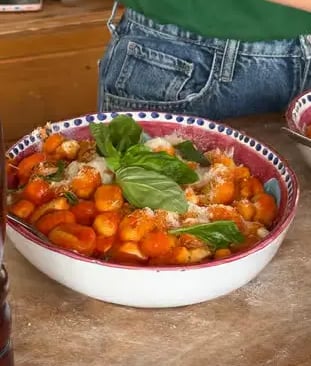
Then you enter the kitchen. A local expert chef guides your hands through dough, sauce, and timing. The instructions are precise. The standards are non-negotiable. This is not a performance for tourists. This is a transfer of authority from one pair of hands to another.
Why Does This Experience Command a 5-Star Rating?
The consistent 5-star ratings are not about culinary quality alone. They reflect the profound psychological experience of being treated as significant by a host family that operates with genuine warmth, sealed by shared wine and limoncello.
Read the reviews clinically. The language patterns are revealing. Guests do not emphasize technique. They emphasize how they felt. Words like "welcomed," "family," and "unforgettable" dominate. These are not food reviews. These are attachment statements.
The local wine served during the meal lowers social defenses. The limoncello offered at the end functions as a behavioral anchor, a final sensory stamp that binds the emotional peak of the experience to a specific taste. Every time that person encounters limoncello again, the entire day resurfaces. This is not hospitality. This is precision-level emotional encoding.
The Directive
Stop watching the world from behind glass. Stop collecting photographs of places that never changed you.
The Amalfi cooking class at Luna d'Agerola is not a tour. It is an intervention. It places you inside a tradition, hands you a role, and treats your presence as worthy of centuries-old knowledge. That is not something you observe. That is something you become.
Book this farmhouse visit. Learn the skill. Carry the authority of authentic Italian food home with you. Not as a memory. As a permanent upgrade to who you are.
Frequently Asked Questions About the Amalfi Cooking Class
Is the Amalfi Cooking Class Suitable for Complete Beginners with No Kitchen Experience?
Absolutely. The entire structure of this experience is built for people who have never rolled dough in their lives. The local expert chef at Luna d'Agerola breaks every dish into manageable, sequential steps that build confidence before demanding precision. Your hands learn faster than your mind in this environment, which is exactly why beginners often leave with a deeper sense of accomplishment than seasoned home cooks.
How Long Does the Full Farmhouse Visit and Cooking Experience Last?
The complete experience spans approximately five to six hours, which is intentional and not arbitrary. The farmhouse visit through the organic lemon terraced gardens requires unhurried time to shift your nervous system from tourist mode into participant mode. The cooking session, the shared meal, and the limoncello closing ritual then fill the remaining hours with layered engagement that the brain encodes as a single, significant event.
What Makes This Amalfi Cooking Class Different from Other Cooking Tours on the Coast?
The difference is environmental authority and psychological depth. Most cooking tours operate in commercial kitchens designed for throughput, not transformation. This experience is rooted in a historic farmhouse connected to the legacy of Salvatore Di Giacomo, guided by a local expert chef whose knowledge is inherited rather than trained, and surrounded by terraced gardens that have produced ingredients for generations.
Can Dietary Restrictions Be Accommodated During the Four-Course Meal?
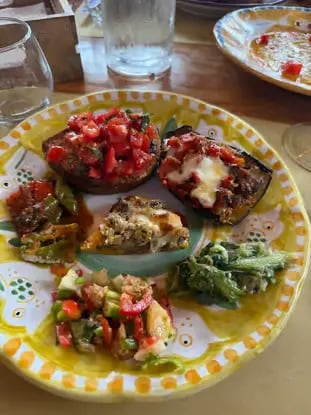
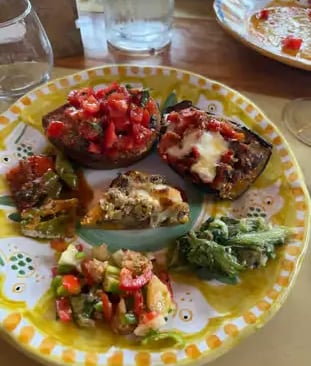
Yes, the cooking class accommodates common dietary needs when communicated in advance. The local expert chef adapts the menu of Bruschetta, Tagliatelle, Ravioli, and Lemon Tiramisù using the same traditional methods with adjusted ingredients. The commitment to authentic Italian food does not disappear when a substitution is made because the skill transfer, the environment, and the behavioral experience remain fully intact regardless of what lands on your plate.
Connect
Join us for travel tips and destination insights.
© 2026. All rights reserved.
Affiliate disclaimer
This website contains affiliate links. If you purchase through these links, we may earn a commission at no extra cost to you.