
2-Day Wine Expedition from Barcelona: Penedès and Priorat by Private Transport
A 2-day wine expedition from Barcelona through the Penedès cava region and Priorat DOQ, visiting Bodega Torres, Juvé & Camps, Gratallops, Bodega Perinet, and Siurana Castle by private luxury transport.
DAY TRIPS
DestinationDiscover
6/3/20267 min read
There is a moment, roughly forty minutes southwest of Barcelona, when the salt-crusted air thins and something cooler slides across your forearms. The highway bends inland, the Mediterranean drops behind you, and row after row of trained vines rise from red clay like slow green fists unclenching toward the sun. This is where the two-day Penedès and Priorat wine expedition begins not in a brochure, but in your nervous system.
Day 1: Barcelona to Penedès Cava, Sustainability, and a Cliff-Top Fortress
Morning: Bodega Torres and the Weight of Sustainable Viticulture
The first stop is Bodega Torres, the family estate that has become a reference point for sustainable viticulture in Spain. You walk between solar-canopied rows where the soil radiates dry warmth through the soles of your shoes even at ten in the morning. Torres recovers ancestral grape varieties here — pre-phylloxera cultivars most producers abandoned a century ago. The tasting room smells like wet oak and limestone dust. You drink a Mas La Plana Cabernet Sauvignon at cellar temperature, and the tannins land on the back of your tongue like a slow, clean grip.
Midday: Juvé & Camps Premium Cava at the Source
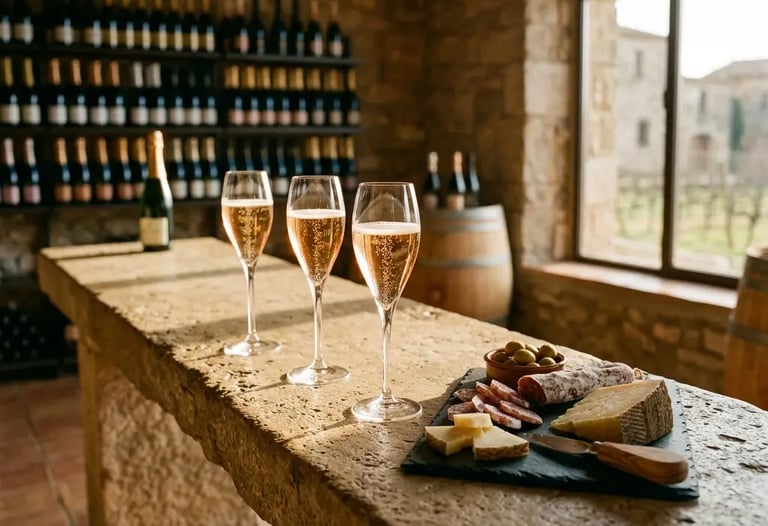
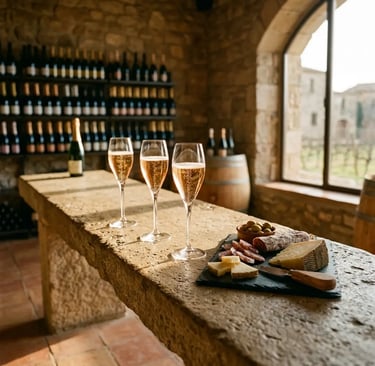
Twenty minutes east, Juvé & Camps operates with a quieter authority. Their Wine Bar is a long, sun-warmed stone terrace where you taste Reserva de la Familia cava the mousse so fine it dissolves before your palate can categorize it. Staff pair each pour with gourmet snacks: Manchego aged to the point where it crumbles on contact, sliced fuet with fat that melts transparent on the knife. This is premium cava produced under the Corpinnat designation, and the difference between this and mass-produced sparkling wine is the difference between a handwritten letter and a text message.
Late Afternoon: Siurana Castle Where the Landscape Turns Vertical
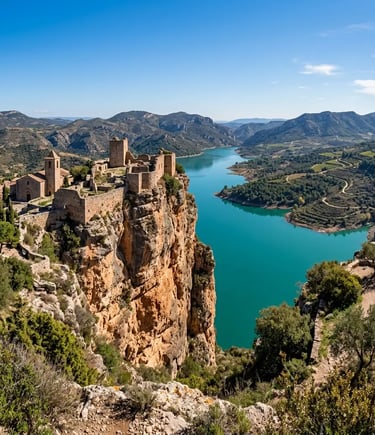
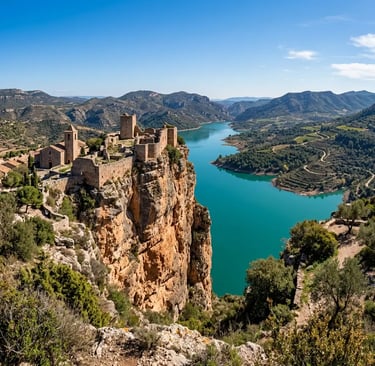
The drive into Priorat changes everything. The road narrows. Limestone cliffs replace rolling vineyards. You arrive at Siurana Castle, a medieval fortress perched on a sheer cliff face above the turquoise Siurana reservoir. The visual contrast is almost aggressive rust-colored rock, jade water, a silence so total your ears adjust like changing altitude. Medieval legend says the last Moorish queen leapt from these walls on horseback rather than surrender the fortress. You stand at the edge and the wind pushes flat against your chest. Below, the reservoir holds the sky like a second atmosphere.
Overnight accommodation is a rural vineyard guesthouse where the bedsheets carry a faint trace of dried rosemary and the darkness outside the window is absolute.
Day 2: Priorat DOQ Llicorella, Gratallops, and Barrel Rooms
Morning: Gratallops and the Taste of Slate
You wake in Priorat. No easing into it. Gratallops is the epicenter of the Priorat DOQ, a village of three hundred residents producing wines that command international auction prices. The vineyards here grow from llicorella a dark, fractured slate that crunches and shifts underfoot like broken roofing tile. You walk a terraced hillside in sports shoes and feel each shard press individually through the sole. This soil forces vine roots twelve meters underground to find water, and that stress concentrates flavor into each grape with an almost punishing intensity. You taste three signature Priorat wines on-site. The Garnacha is warm and iron-edged. The Cariñena is darker, denser, with a finish that clings to the soft tissue of your mouth for thirty seconds after you swallow.
Midday: Bodega Perinet Architecture Meets Aging
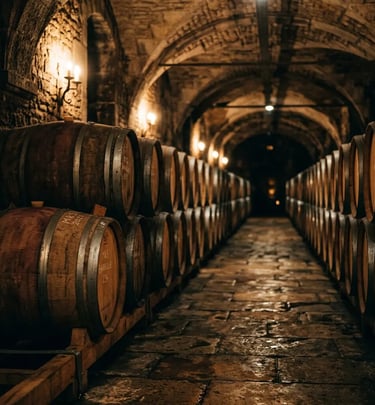
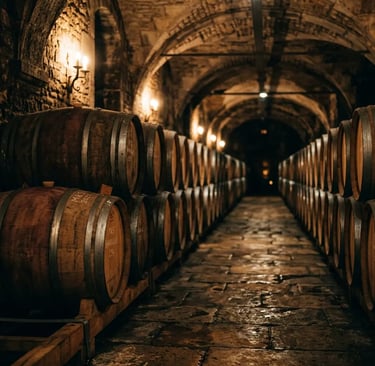
Bodega Perinet sits in the valley like a piece of deliberate geometry clean concrete lines cut into the hillside, temperature-regulated barrel rooms carved beneath the structure. Inside, French oak barrels rest in rows under low amber lighting, and the air is thick with vanillin and wet wood tannins. You breathe it in before you taste anything.
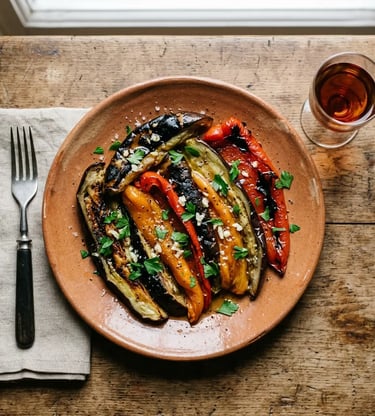
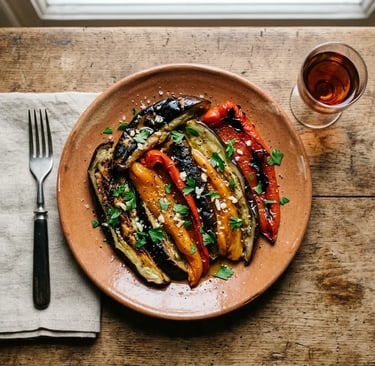
Lunch is included and regional: escalivada fire-roasted eggplant and red pepper with skins blistered black, the flesh underneath silky and faintly smoky, served alongside slow-braised lamb and a Priorat sweet wine that tastes like dried fig and warm stone.
Afternoon: Return to Barcelona
The return to Barcelona takes approximately 110 minutes by private luxury transport. The highway descends toward the coast. The salt air returns. You feel it on your lips before you see the sea.
Expedition summary: This 2-day wine tour from Barcelona covers Penedès (Bodega Torres, Juvé & Camps) and Priorat DOQ (Gratallops, Bodega Perinet), with visits to Siurana Castle, three premium wine tastings, included gourmet lunch, and round-trip luxury transport. Ideal for travelers seeking an immersive Catalan wine experience beyond Barcelona.
Frequently Asked Questions About the Barcelona to Penedès and Priorat Wine Expedition
What wineries are included in the 2-day wine tour from Barcelona to Penedès and Priorat?
The itinerary covers four distinct wine experiences across two of Catalonia's most respected appellations. Day 1 begins in the Penedès region with a visit to Bodega Torres, a multi-generational estate recognized internationally for its sustainable viticulture practices and recovery of ancestral grape varieties. The second stop is Juvé & Camps, one of the premier cava producers in Spain, where tastings take place at their elegant Wine Bar alongside curated gourmet snacks.
Day 2 shifts entirely into Priorat DOQ territory. You visit the village of Gratallops, the historical and commercial epicenter of Priorat winemaking, where three signature wines are tasted directly on the llicorella slate terrain. The final winery visit is Bodega Perinet, a modern architectural estate where you witness the barrel-aging process in temperature-controlled cellars carved into the hillside.
Each winery was selected to represent a different facet of Catalan viticulture from large-scale sustainable production at Torres to the small-yield, high-intensity Garnacha and Cariñena wines of Priorat. The progression across both days is designed to build understanding through contrast, moving from the maritime-influenced Penedès lowlands into the extreme mineral terrain of the Priorat interior.
What is there to see at Siurana Castle and why is it part of a wine tour itinerary?
Siurana Castle is a medieval fortress positioned on a sheer cliff face above the Siurana reservoir in the southern edge of the Priorat region. The site marks the last Moorish stronghold in Catalonia, surrendered in 1153, and carries a well-known legend about the final Moorish queen leaping from the cliff on horseback rather than face capture. The visual setting is striking rust-colored limestone walls drop vertically into turquoise water, and the silence at the summit is near-total.
The castle is included in the itinerary as a transitional stop between the Penedès wine country and the overnight accommodation in Priorat. It serves a deliberate purpose within the experience design: after a morning immersed in vineyards and tasting rooms, Siurana resets the senses with altitude, open sky, and raw geological drama before the deeper immersion into Priorat the following day.
For travelers interested in medieval Catalan history, the fortress and the village below it offer a concentrated encounter with a landscape that has changed very little since the twelfth century. The reservoir beneath the castle is a popular destination for rock climbing and kayaking, though neither activity is included in the wine expedition itself.
What is llicorella soil and how does it affect the taste of Priorat wines?
Llicorella is a type of fractured slate soil unique to the Priorat DOQ and its surrounding subregions. It consists of thin, dark, layered sheets of metamorphic rock that break apart under pressure, creating a loose, shifting surface that crunches audibly underfoot. The slate retains heat during the day and releases it slowly at night, extending the ripening window for grapes grown in its terraces. It also drains water almost immediately, which forces vine roots to penetrate as deep as twelve meters underground in search of moisture.
This extreme root depth is the primary mechanism through which llicorella shapes wine character. Vines under that level of hydric stress produce fewer, smaller grapes with concentrated sugars, phenolics, and mineral compounds. The resulting wines — predominantly Garnacha and Cariñena — carry a distinctive mineral backbone that tasters often describe as iron, warm stone, or crushed graphite. The tannin structure tends to be firm and persistent, with finishes that last well beyond thirty seconds.
During the expedition, you walk the llicorella terraces near Gratallops and taste three wines produced from vines rooted in this soil. The sensory connection between the texture of the ground beneath your feet and the mineral signature in the glass is immediate and difficult to forget. It is one of the few wine regions where the concept of terroir becomes a physical, tactile experience rather than an abstract idea.
What food is included in the 2-day wine expedition and what regional dishes should I expect?
Day 1 includes gourmet snack pairings at the Juvé & Camps Wine Bar in Penedès, where premium cava is served alongside aged Manchego cheese, sliced fuet, and seasonal Catalan accompaniments. These are curated tasting portions rather than a full meal, designed to complement the cava without overwhelming the palate before the afternoon drive into Priorat.
Day 2 features a full included lunch after the Bodega Perinet visit. The meal centers on regional Priorat cuisine, with escalivada fire-roasted eggplant and red pepper served with their skins blistered and the flesh rendered silky and faintly smoky as a traditional starter. Main courses typically involve slow-braised lamb or other locally sourced proteins prepared in the hearty, concentrated style characteristic of interior Catalan cooking. The meal closes with a Priorat sweet wine, a lesser-known regional specialty with dried fig and warm stone notes.
Both food experiences are designed to contextualize the wines within their origin landscape. The restraint of the Day 1 snack pairing mirrors the elegance of Penedès cava production, while the Day 2 lunch reflects the density and intensity of Priorat reds. Travelers with dietary requirements should communicate them in advance, as regional kitchens in Priorat operate with limited menus built around seasonal availability.
Connect
Join us for travel tips and destination insights.
© 2026. All rights reserved.
Affiliate disclaimer
This website contains affiliate links. If you purchase through these links, we may earn a commission at no extra cost to you.